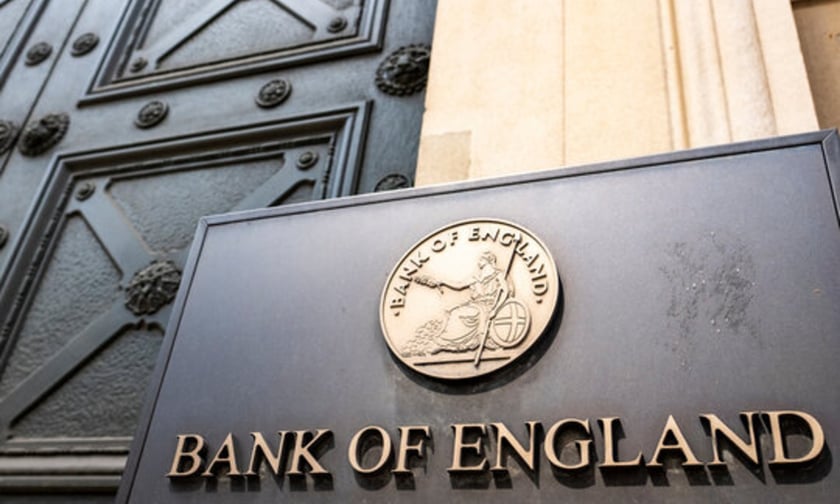
UK regulators are stepping up scrutiny of offshore reinsurance and hedge fund activity, with the Bank of England (BoE) warning that capital arbitrage and leveraged trading could amplify shocks in the country’s financial markets.
At a Bank of America event in London, Vicky White, the BoE’s director of prudential policy, said life insurers have used “a quirk in regulatory treatments” to cut the capital required for pension liabilities by ceding assets and obligations to foreign reinsurers, often in Bermuda. She added that these “funded reinsurance” deals may reduce domestic investment, moving assets “towards internationally based reinsurers.”
The BoE is considering new rules, which could include restrictions on the scale and design of such transactions and measures to address any underestimation of risk. White said officials had observed “examples of large cash flow mismatches, as well as large unhedged currency exposures in current FundedRe transactions, far beyond what we would see in typical UK annuity firms’ direct investments.”
UK insurers completed at least £6bn of funded reinsurance deals as of last year, with the BoE noting rapid growth in the market. Demand for bulk annuities is forecast by consultancy LCP to reach £500bn in the next decade, drawing US capital groups into the sector. Apollo-backed Athora announced a £5.7bn acquisition of Pension Insurance Corporation in July, Brookfield set a £2.4bn deal for Just Group, and Blackstone entered a partnership with Legal & General worth up to $20bn.
The BoE’s stance indicates that its principles-based regulatory model may not be sufficient for offshore transactions. White said the central bank intends to discuss its proposals with the industry later this autumn, adding that it has “not come to any firm views.”
Concerns over financial stability also extend to hedge fund activity in sovereign debt markets. As reported by The Banker on July 18, FCA chief executive Nikhil Rathi told a House of Lords committee that hedge funds represented 27% of dealer-client gilt volumes in the first quarter of 2025, according to BoE data. The central bank’s Financial Stability Report in July said 90% of net gilt repo borrowing was concentrated among a small group of hedge funds.
The Financial Policy Committee has warned that hedge funds’ “use of leverage, if not properly managed, could amplify shocks and cause a jump-to-illiquidity.” Rathi said regulators need faster access to data and noted that geopolitical risks, including cyber attacks on financial infrastructure, add to the threat environment.
The BoE plans to consult the sector on funded reinsurance later this year.
Do you think new restrictions on offshore deals and hedge fund leverage are necessary to safeguard financial stability? Let us know in the comments below.