The Consorcio de Compensación de Seguros, known as CCS, provides protection for events generally outside the scope of private insurance, including floods, earthquakes, volcanic eruptions, atypical cyclones and other extraordinary natural and socio-political risks.
The CCS engagement comes as public backstops are increasingly part of the discussion in EMEA catastrophe coverage, with Fitch Ratings reporting that insurers are seeking broader access to natural catastrophe insurance through state-supported reinsurance structures.
Under the assignment, Howden will produce valuation work and Probable Maximum Loss estimates for CCS exposure to flood, earthquake, storm and volcanic eruption risks, including combined multi-peril scenarios.
The modelling will run across 50-, 100-, 200- and 500-year return periods, which Howden said is intended to support CCS in portfolio management and long-term planning.
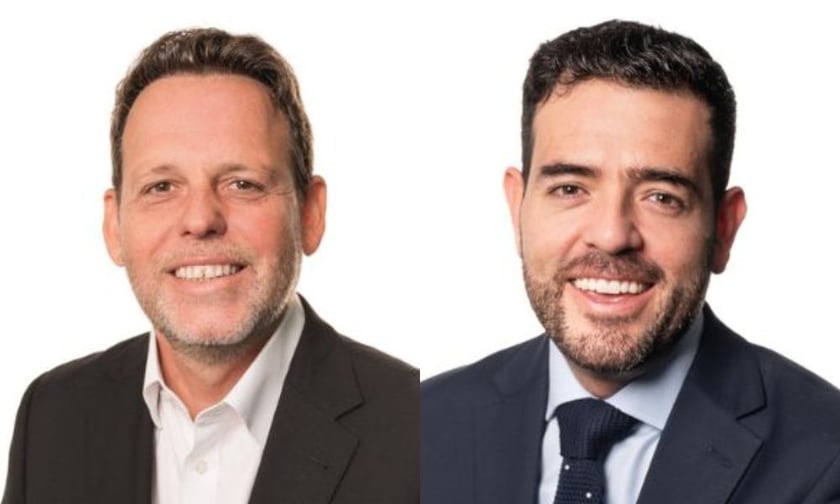
Howden said its presence in Spain expanded in September with the launch of Howden Re Iberia, led by managing director David Santos (pictured above, left), as the group continues to build out catastrophe analytics and related insurance and reinsurance advisory services in the market.
“We are very proud of having the opportunity to work with Consorcio to model their NatCat exposure; this shows the strength and bredth of expertise of the Howden Group analytical services,” Santos said.
“This milestone reinforces our commitment to supporting institutions and insurers across Spain, bringing the full strength of Howden to market-leading modelling capabilities and a truly client-focused reinsurance offering,” he added.
Rodrigo Manrique (pictured above, right), Climate Risk and Resilience at Howden, said the firm plans to incorporate forward-looking climate scenarios into its analysis as part of the CCS work. “Through our Climate Risk and Resilience practice, we are looking forward to help CCS’s modelling not only captures today’s catastrophe exposures but also anticipates the evolving impacts of climate change,” Manrique said.
Manrique added, “By integrating forward-looking climate scenarios into our analytics, we help institutions like CCS strengthen their resilience frameworks and prepare for the extraordinary risks of tomorrow.”
In its insights, Fitch said these programs can include guarantees or other financial backstops intended to limit insurer exposure to catastrophe losses that may exceed private-market capacity.
Fitch pointed to France’s Cat Nat framework as one model, where Caisse Centrale de Réassurance can cover up to 100% of losses above a defined threshold under a state-supported arrangement.