Extreme heat is placing new pressure on Switzerland's resilience and could amplify insured losses across multiple risk categories, according to analysis from Swiss Re Institute. Rising temperatures are increasingly affecting both direct health outcomes and traditional catastrophe exposures, including floods, droughts and landslides.
Swiss Re Institute said Switzerland is warming at more than twice the global average rate, citing data from the Swiss Academy of Sciences. The report comes as insurers and reinsurers assess how climate trends are affecting risk models, catastrophe exposures, and long-term underwriting assumptions across multiple markets.
Concern about heat risk is growing across the insurance sector. Swiss Re's SONAR report estimated that extreme heat contributes to nearly 500,000 deaths globally each year. That figure exceeds the combined death toll from floods, earthquakes and hurricanes. The data indicate that heat remains a significant source of economic and social loss.
Switzerland now experiences about 10 to 15 hot days annually, defined as days with temperatures of at least 30°C. That compares with about five such days in 1990, highlighting the pace of change in local climate conditions.
Urban areas face heightened exposure. Swiss cities can record temperatures up to 6°C higher than nearby rural areas. Prolonged heat and tropical nights can increase pressure on buildings, infrastructure and public services.
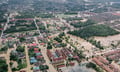
Swiss Re Institute said heat-related impacts can alter established natural hazard patterns and contribute to broader insurance losses. Flooding remains Switzerland's largest insured natural catastrophe risk. It accounts for about 60% of average annual exposure-normalized insured losses, according to the institute.
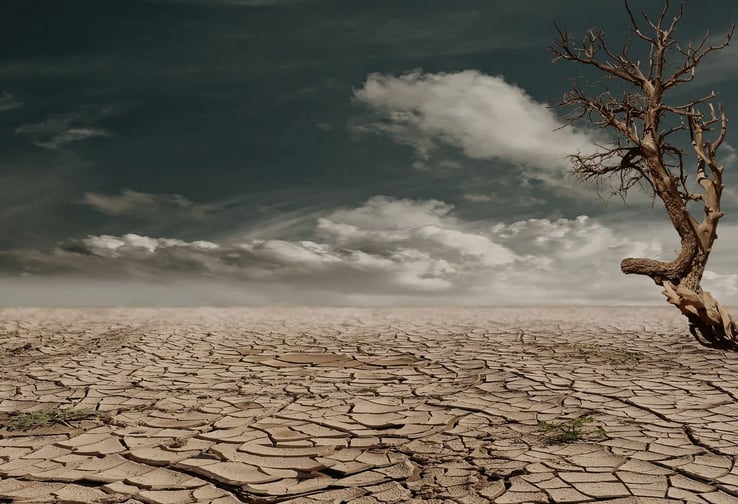
The report said prolonged heat can leave soils less able to absorb rainfall, increasing the potential for flash floods after heavy precipitation. Drought conditions can also leave crops more vulnerable to hail damage, while thawing permafrost may increase instability in alpine regions.
Swiss Re has also described extreme heat as a structural business risk rather than a seasonal weather event. The reinsurer said higher temperatures can reduce labor productivity, strain energy systems and disrupt infrastructure. Those effects can create economic consequences that extend beyond insured property losses and catastrophe claims.
Swiss Re pointed to the Blatten rock and ice avalanche in May 2025 as an example of how changing environmental conditions can influence loss events. The incident generated insured losses of CHF320 million.
"The human impact may be less obvious than damaged buildings or flooded cellars, but it can be severe," the report said.
Swiss Re Institute said the 2003 European heatwave increased Swiss mortality by about 1.5% that year.
Recent industry studies have reached similar conclusions, with reinsurers and brokers reporting that climate-related events are becoming a larger driver of insured losses and exposure volatility.
Swiss Re Institute recently reported that floods, wildfires and severe storms accounted for 92% of insured catastrophe losses in 2025. Gallagher Re and Munich Re have also reported that weather-related events continue to dominate catastrophe losses, reinforcing concerns about the growing influence of secondary perils.
Insurers and reinsurers are examining how chronic heat patterns interact with catastrophe models, claims activity and long-term portfolio management. They increasingly view these hazards as interconnected risks that can amplify losses across multiple lines of business.
The discussion extends beyond Switzerland, as insurers across Europe evaluate how rising temperatures could affect infrastructure, property exposures and business continuity risks. The report said many homes, schools, care facilities and workplaces were designed for cooler conditions. That creates new adaptation challenges as temperatures continue to rise.
Rising temperatures are increasingly influencing underwriting decisions, risk assessment, and resilience planning across both mature and emerging markets.