Singapore's prolonged haze crisis is highlighting the limits of insurance protection for pollution-related losses, as Allianz Insurance Singapore introduces temporary medical reimbursements and authorities pursue action against companies linked to Indonesia's forest fires.
Allianz is offering up to S$50 per person for haze-related outpatient treatment, supplementing government healthcare subsidies introduced earlier this month. The continuing pollution also raises broader concerns over business interruption and environmental liability.
Previous haze episodes demonstrate the economic stakes. Swiss Re Institute estimates that Singapore suffered US$386 million in economic losses in 1997 and US$897 million in 2015, affecting industries including transportation, tourism and healthcare. The financial impact of the 2026 episode has yet to be established.
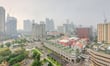
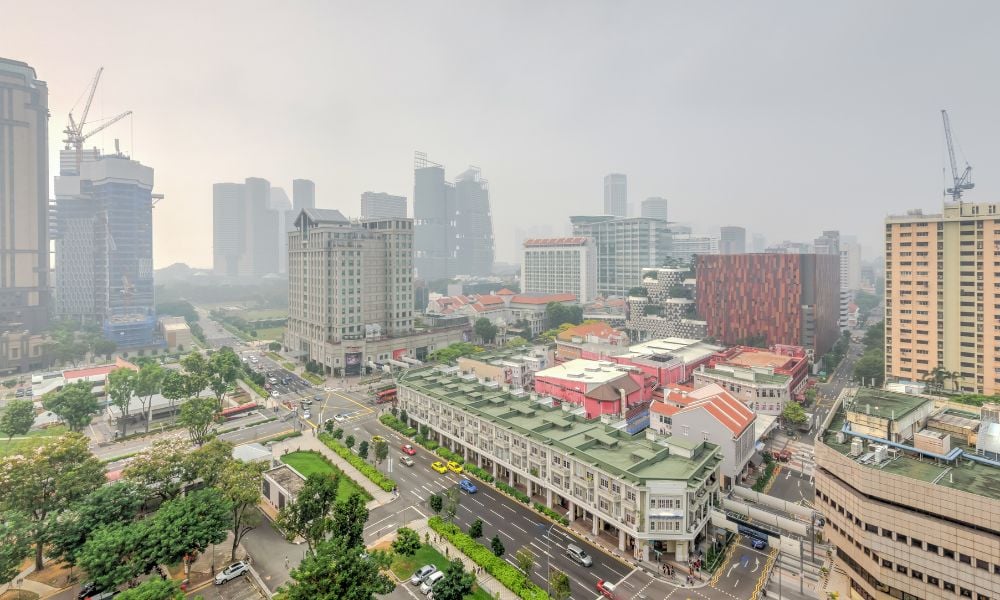
Singapore's National Environment Agency recorded 24-hour Pollutant Standards Index (PSI) readings of 80 to 123 on October 21, ranging from moderate to unhealthy. It forecast readings of 101 to 160 for October 22, warning that smoke from Kalimantan could continue reaching Singapore.
The government activated its Haze Subsidy Scheme on October 12, providing subsidized treatment for eligible citizens at participating clinics and polyclinics. Public Assistance cardholders receive fully subsidized treatment, Pioneer and Merdeka Generation seniors pay no more than S$5, and other eligible citizens pay up to S$10.
Allianz's temporary benefit is available to insured adults aged 18 and above under Allianz Accident Protect Plus or Allianz Hospital Income Protect.
Eligible policyholders can claim once for treatment received between October 16 and November 15, 2026, covering respiratory symptoms, eye irritation and skin irritation medically assessed as haze-related. Each qualifying family member has a separate S$50 limit, while new policyholders qualify if treatment occurs at least one day after their coverage takes effect.
The benefit provides targeted assistance without extending general outpatient coverage under the underlying policies. Allianz's announcement does not specify how reimbursement interacts with government subsidies.
Beyond healthcare costs, haze can disrupt businesses without causing physical property damage. Companies dependent on outdoor activity, customer traffic or uninterrupted operations may lose revenue, yet standard property-based business interruption policies generally require insured physical damage to trigger coverage.
Alternative products have emerged to address this exposure. In 2018, Swiss Re Corporate Solutions launched HazeShield, a parametric solution designed to cover non-damage business interruption losses in Singapore.
HazeShield uses predefined PSI thresholds to trigger payouts, including cumulative days of severe haze or exceptionally high individual readings. Unlike conventional business interruption insurance, it does not require physical property damage, although payouts remain subject to policy conditions.
Meanwhile, Singapore is considering legal and financial measures against companies, investors and banks linked to Indonesia's forest fires, raising potential environmental liability and directors' and officers' insurance exposures.