Only 49% of Singaporeans feel prepared for the next decade even though 76% have already taken steps to improve their finances, health or future readiness, according to Etiqa Insurance Singapore’s Life Preparedness Survey 2026.
The disconnect comes as life insurance sales expand. Weighted new business premiums reached S$3.63 billion in the first half of 2026, up 21.4% year over year. Financial adviser representatives generated S$1.35 billion, giving them a market-leading 37.3% share, and accounted for 40.8% of total sum assured, according to Insurance Business’ Singapore life insurance distribution analysis.
Etiqa’s findings suggest affordability, rather than awareness, is a central problem. Financial security was the most common definition of preparedness, cited by 68%, while 47% said lack of money was their biggest obstacle. Lack of knowledge followed at 20%, time at 16% and motivation at 15%.
Households may understand the need for insurance, savings and future care while still having to decide which needs limited disposable income can address first.
The Life Insurance Association Singapore’s 2022 Protection Gap Study, the latest comprehensive industry study of its kind, found a 21% mortality protection gap and a 74% critical illness gap among economically active citizens and permanent residents. While those figures are not a measurement of the 2026 market, they illustrate the scale of the underinsurance challenge.
More recent research from Singlife estimated that critical illness recovery can cost nearly S$170,000 over an average 27 months, including rehabilitation, medication, transport and caregiving. Its critical illness recovery study also found more than two-thirds of survivors surveyed relied on a caregiver.
The pressure is particularly visible in middle age. Among Singaporeans aged 45 to 54, 39% were not ready to take further action, with 24% focused on managing household finances and 21% concerned about future care needs.
Those concerns come as Singapore ages. Citizens aged 65 and above accounted for 20.7% of the citizen population in 2025, up from 13.1% in 2015, and are projected to reach 23.9% by 2030, according to government population figures. Singapore has also expanded long-term care subsidies and increased support under the Home Caregiving Grant and CareShield Life.
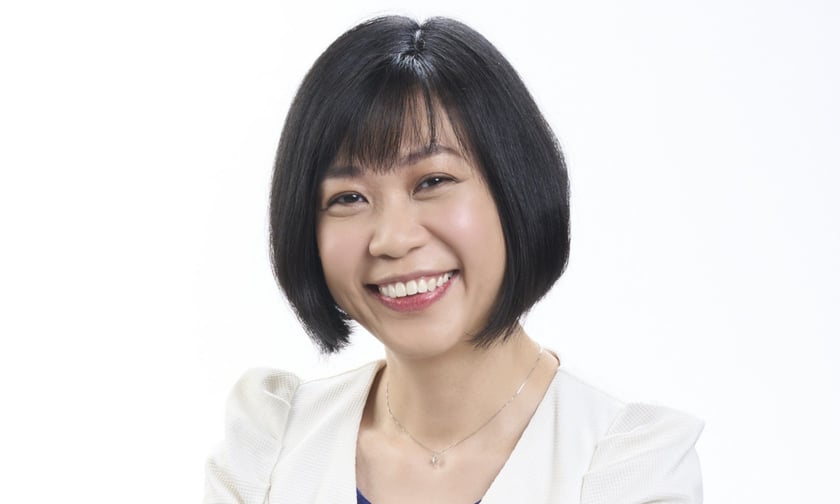
“Financial readiness remains an important foundation, but resilience today also requires stronger support systems and more open conversations around long-term planning. People are more likely to take meaningful action when they feel supported, informed and empowered,” Etiqa Insurance Singapore CEO Claudia Soh (pictured) said.
Younger consumers face a different trade-off. Among 18- to 24-year-olds, 44% reported burnout in the past year, with uncertainty about the future cited by 49% and financial worries by 43%. Yet 42% named wealth accumulation as their top focus for 2026.
That preference coincides with strong demand for investment-linked insurance. Investment-linked policies accounted for 44% of weighted new business premiums in the first half of 2026, rising 24.2% year over year to S$1.59 billion. The figures do not establish a link between investment demand and underinsurance, but they illustrate how wealth building and protection can compete for the same household budget.
“Our findings show that Singaporeans are taking positive steps to improve their financial wellbeing, health and future readiness, yet many still lack confidence about the future,” Soh said.
Financial constraints are not the only obstacle. Long-term planning also depends on conversations that many families appear reluctant to have. Only 21% of respondents had held open and detailed discussions about future care, finances and legacy planning, while 13% of those aged 55 and above preferred to handle such matters themselves.
“Life preparedness today is not just about financial discipline. It is about having resilience, support and flexibility to navigate life’s uncertainties. Strengthening preparedness therefore requires building positive daily habits and longer-term planning horizons that help people feel more confident about the future,” Soh said.