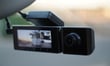
Fleet telematics provider Teletrac Navman has launched an artificial intelligence sensor in New Zealand and Australia that aims to detect driver fatigue before it causes a crash, adding to the data fleet operators can put in front of insurers.
The Driver Monitoring Sensor (DMS), introduced on November 19, tracks small eye movements, blink patterns, the percentage of eye closure and head movements to identify developing drowsiness, rather than reacting only to advanced symptoms. It can also detect microsleeps and extended eye closures, and uses infrared to work in poor light and through many non-polarised sunglasses.
The sensor’s readings are combined with advanced driver assistance system data, such as lane deviation, to judge how severe the fatigue is and reduce false alerts. Drivers receive audible warnings and, where fitted, seat vibrations, while fleet managers are notified at the same time so they can step in.
“The most effective way to manage fatigue risk is to stop incidents before they occur,” said Teletrac Navman chief executive Ricardo Buranello.
The system works alongside the company’s Smart Dashcam Quad, which uses four high-definition cameras and AI video analytics to monitor driving. Recorded footage can help establish what happened in a collision and resolve disputed claims, and a management dashboard keeps a record of driving behaviour and safety interventions.
Teletrac Navman’s own research, reported in February, found that 53% of fleets involved in accidents had cleared their drivers using telematics and video data, and 85% said safety technology had helped them counter rising premiums.
Some New Zealand insurers already tie cover terms to this kind of data. NZI and EROAD expanded their Safe Driving Rewards programme to light commercial fleets in May, waiving the excess on a driving loss claim for fleets ranked in the top quarter of safe drivers on EROAD telematics. The scheme had run for heavy fleets for a decade.
Any premium benefit from fatigue detection will depend on individual insurers. Insurers have increasingly looked at telematics in motor pricing, as IB has reported on how telematics is reshaping car insurance.
For brokers with fleet clients, documented fatigue monitoring, dashcam footage and driver coaching records can strengthen a renewal submission and help in claims disputes. Brokers may also want to check which insurers recognise this data in pricing or excess terms, and how footage is handled under privacy and employment obligations.