The Motor Trades Association of Australia (MTAA) has welcomed the Australian Competition and Consumer Commission’s (ACCC) decision to formally block Insurance Australia Group’s (IAG) $1.35 billion proposed acquisition of RAC Insurance (RACI) in Western Australia, saying the outcome confirms what the industry body has consistently argued since the deal was first announced.
The ACCC handed down its determination on September 23, 2026. It is the second time the regulator has blocked the transaction – first under the informal merger regime in December 2025, and now under the formal regime that took effect on January 1, 2026.
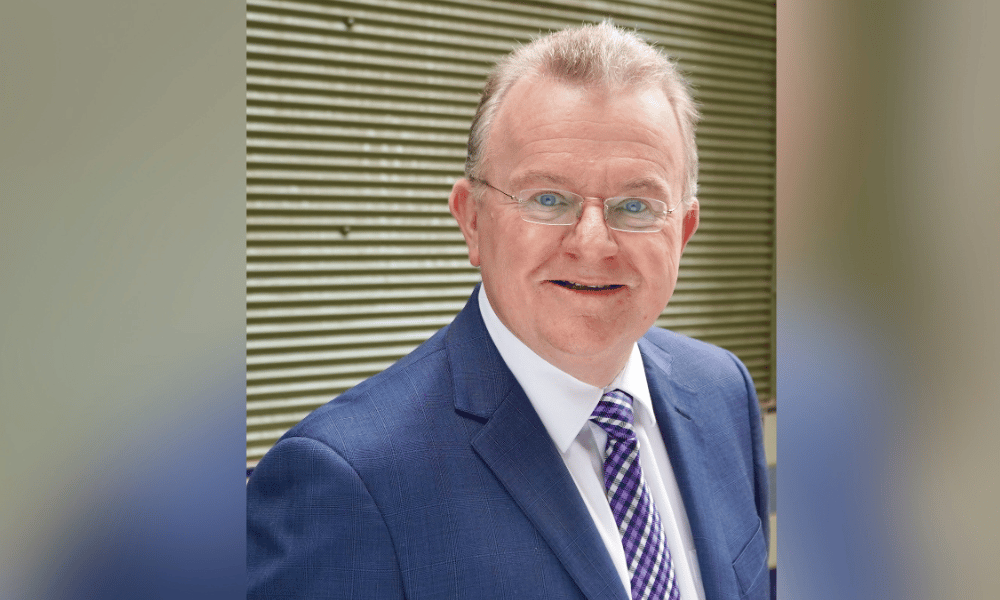
MTAA executive director Bruce Billson (pictured) said the back-to-back decisions reflect the strength of the structural concerns raised throughout the process. “This is the second time the ACCC has declined to clear this acquisition, and we commend the regulator for standing firm on the importance of genuine competition,” Billson said.
Before the ACCC’s September determination, IAG submitted a package of behavioural undertakings designed to address the regulator’s competition concerns. The MTAA had urged the ACCC to reject those undertakings, and the regulator did.
Billson said the association’s position was that behavioural commitments cannot replace what independent market participants deliver. “The remedy offered by IAG was not sufficient to address the legitimate industry and regulator competition concerns. Behavioural commitments are no substitute for the competitive discipline that comes from having strong and independent participants in the market,” he said.
The ACCC found that IAG and RACI are effective competitors in WA, and that other insurers would be unable to fill the competitive gap if RACI ceased to operate independently. Had the deal proceeded, IAG would have controlled between 55% and 65% of the WA motor vehicle insurance market and between 50% and 60% of home and contents insurance, according to the ACCC.
Read next: MTAA urges ACCC to block IAG’s RAC Insurance remedy offer
The MTAA’s opposition extended beyond consumer pricing. Its central argument throughout has been about what growing insurer concentration does to independent automotive repairers – a constituency the MTAA directly represents.
The ACCC’s own Statement of Issues, as reported by this publication, gave that argument quantitative weight. The regulator estimated the post-acquisition Herfindahl-Hirschman Index (HHI) for WA motor vehicle insurance at approximately 4,400 – more than double the regulator’s 2,000-point threshold for a highly concentrated market. It also estimated that IAG, Suncorp, and Allianz would together hold approximately 70% to 80% of both the WA motor vehicle and home and contents insurance markets following completion.
For repairers, those figures translate into a narrower field of counterparties to negotiate with, and less leverage when setting labour rates and repair costs.
Billson said preserving competitive structure in the insurance market is directly tied to outcomes in the repair sector. “Motorists and repairers alike benefit from a competitive insurance market. Preserving meaningful competition is important for consumer choice and for a sustainable, independent repair sector,” he said.
The ACCC examined whether the deal would also restrict competing insurers’ access to smash repair services in WA, but found insufficient evidence to make a finding on that specific question in its final determination.
The transaction is not concluded. IAG has confirmed it will lodge a public benefit application – available under the formal merger regime when a deal is blocked at Phase 2. Under that process, the applicant must demonstrate the transaction’s broader benefits outweigh its anti-competitive effect. The ACCC has up to 50 additional business days to assess such an application, according to law firm Russell Kennedy, meaning a determination could arrive within roughly 10 weeks of filing.
If the public benefit application fails, IAG and RAC WA retain the right to seek a merits review before the Australian Competition Tribunal, as ACCC chair Gina Cass-Gottlieb confirmed to ABC News.
IAG managing director and CEO Nick Hawkins maintained the deal had merit, as quoted by ABC News. “RAC will remain local and we’ll invest in enhancements to benefit the member experience, and continue to deliver high-quality, competitive insurance products and services,” he said.
Read next: ACCC blocks IAG’s RAC Insurance acquisition
The IAG-RACI transaction is the third consolidation involving a motoring club insurer in just over a year – and the only one the ACCC has stopped.
IAG’s $855 million acquisition of RACQ Insurance was cleared in May 2025, with the ACCC finding RACQ Insurance was not a particularly vigorous competitor. Allianz’s $642 million acquisition of the Royal Automobile Association of South Australia’s (RAA) general insurance business followed in July 2025, after the ACCC concluded existing insurers would maintain sufficient competitive pressure.
The WA case is different in scale. RACI’s motor vehicle insurance market share grew from approximately 35% in 2019 to around 50% in 2024, according to the ACCC’s Statement of Issues. It is the dominant underwriter in WA – and that distinction has shaped the ACCC’s position throughout.
For those placing or advising on personal lines risks in WA, the market structure remains unchanged for now. Whether the public benefit process changes that will depend on what IAG can demonstrate and what the ACCC accepts.