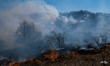
A vegetation fire on Auckland's northwest fringe was brought under control on Monday, October 19, after sending smoke across the Upper Harbour Motorway. It was small, but it came at the start of a summer when northern New Zealand's wildfire danger is building.
Fire and Emergency New Zealand (FENZ) was called to Trig Rd in Whenuapai at about 4.10pm. Eight pumping appliances and three water tankers responded to the fire, which measured about 200m by 50m when firefighters arrived. Crews then worked to dampen hotspots. FENZ had warned motorists between Westgate and Brigham Creek that they may notice smoke. Hato Hone St John attended with an ambulance and an operations manager and reported no patients.
The fire burned in a paddock on the city's peri-urban edge, the kind of land IB NZ has identified as carrying the clearest wildfire exposure this season, alongside rural, forestry and lifestyle block properties. A record-strength El Niño is developing months ahead of its expected peak. Dry soils and stronger winds are raising wildfire danger across northern and eastern areas.
The cover position is what makes that matter for brokers. An ordinary wildfire does not attract first-layer cover from the Natural Hazards Commission. The scheme covers fire only when it results from one of its specified natural hazards, so standalone wildfire losses sit with private insurers. Insurance Council of New Zealand data shows the 2020 Lake Ōhau fire generated $35.2 million in insured losses from 230 claims.
Ignition risk is largely human. FENZ has said about 98% of wildfires in New Zealand are caused by people and their activities. In its August warning ahead of the season, it called on property owners to prepare for a potentially active season. The cause of the Whenuapai fire has not been confirmed.
Commercial forestry is already showing the strain. About 200,000 hectares of plantation forest have moved outside the insured fire pool over three years, with the specialist market concentrated among a few providers.
For brokers with lifestyle block, rural and peri-urban clients, the time to consult clients on cover is before a fire is in view. That means confirming that sums insured reflect current rebuild costs, and that any new policy is not caught by a bush fire exclusion window, which can leave cover placed in the 72 hours before a fire without a response.