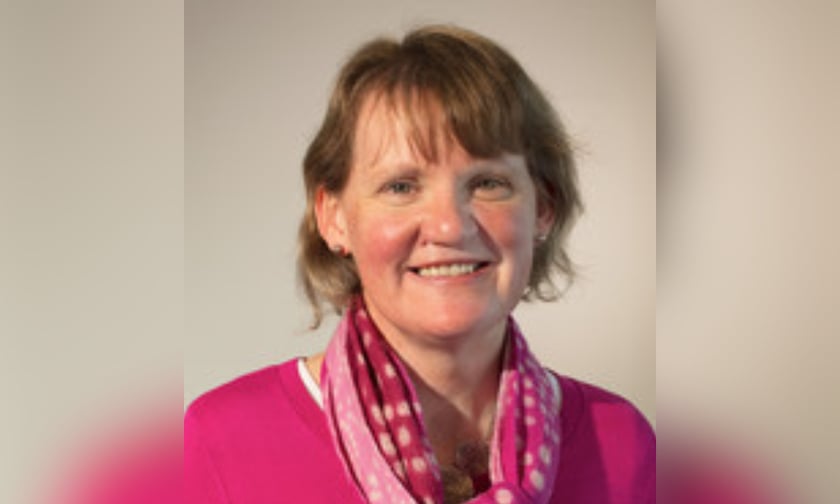
Insurance brokers who spend their days quoting construction risk or business packages are increasingly being asked a very different question by the same clients: Can you also cover my watch collection? For many, the honest answer is "I'm not sure how." That gap is becoming one of the more overlooked challenges in Australia's high-net-worth (HNW) insurance market, according to Melbourne-based Felicity Sheppard (pictured). Sheppard is underwriter for specie at Keystone Underwriting.
Demand for cover on luxury collectibles including watches, jewellery, handbags and classic cars has climbed sharply in recent years. According to The Art Newspaper, during 2025 Christie's reported a 17% increase in luxury turnover over the 12 months to US$795 million, while Sotheby's saw a 22% rise to US$2.7 billion, spanning watches, handbags, jewellery and collectible cars. The same report said Christie's luxury division alone topped US$1 billion in global sales in 2025, excluding private sales, with a 90% sell-through rate.
Rising demand is coinciding with a softening broader market. Lockton's fine art insurance risk outlook for 2026 noted that new capacity entering the sector is driving rates down and prompting buyers to shop around more than in previous years. This is likely putting a premium on brokers who can guide clients through the category properly.
Much of the underlying growth is being driven by a new type of buyer. Christie's said Millennials and Gen Z accounted for 44% of bidders and buyers in luxury during 2025 and more than 30% of its newly recruited buyers in the first half of that year were Gen Z or millennial. At Sotheby's, 20% of bidders across luxury and fine art sales in 2024 were in their twenties and thirties, up on the year before. Christie's head of watches for Europe and the Americas, Remi Guillemin, has described the profile of his sector’s buyers as very young, with money earned in tech, AI, crypto or finance and drawn to watches as collectables.
That uptick has run ahead of broker expertise, at least in Australia.
"This means more education for brokers, because with this type of asset you don't get specialist brokers," said Sheppard. “Most brokers handling these policies are generalists who encounter a specie or valuables placement only occasionally, attached to a client they otherwise insure for far more conventional risks.”
The Keystone underwriter said she is often having conversations with brokers to educate them about what is required. This includes walking brokers through security expectations, valuation processes and the basic mechanics of a market they rarely touch.
That education extends to clients too. Sheppard said newly wealthy collectors are sometimes unfamiliar with, or reluctant to meet, the security conditions insurers require before cover can be placed. This can include alarms monitored by a response service, deadlocks and secured safes. It typically takes a conversation for the requirement to land: Cover simply won't be offered unless the client participates.
International brokers including Marsh, Gallagher and Howden run dedicated fine art and specie practices, reflecting how established the category is offshore. In the Australian market, the same expertise tends to sit with a handful of specialist underwriters like Keystone rather than being spread across the broking population. This leaves many local brokers reliant on underwriters to fill in the gaps deal by deal.
For brokers, there is opportunity even if the product is unfamiliar. A client already being serviced for business or home insurance may hold assets like a watch, a ring or a growing wine collection that fall outside a standard home and contents policy. Treating specie cover as a niche add-on rather than a core part of the advice conversation risks leaving clients underinsured on some of their most valuable, most portable possessions.