MetLife Foundation has awarded grants to Australian nonprofits DV Safe Phone and Habitat for Humanity Australia under its Community Impact Grant Program (CIGP), providing funding for domestic violence support and housing-related initiatives as family violence and housing pressures remain in focus.
CIGP, launched in 2023 and expanded globally in 2025, is distributing more than US$6.5 million this year to more than 100 nonprofits worldwide working on food security, mental health and well-being, environmental sustainability, and community-focused programs. According to MetLife, total funding under the program now exceeds US$9 million across 207 organisations, with activity reported in the US, Asia, Latin America, Europe, and the Middle East and an estimated 1.6 million people involved.
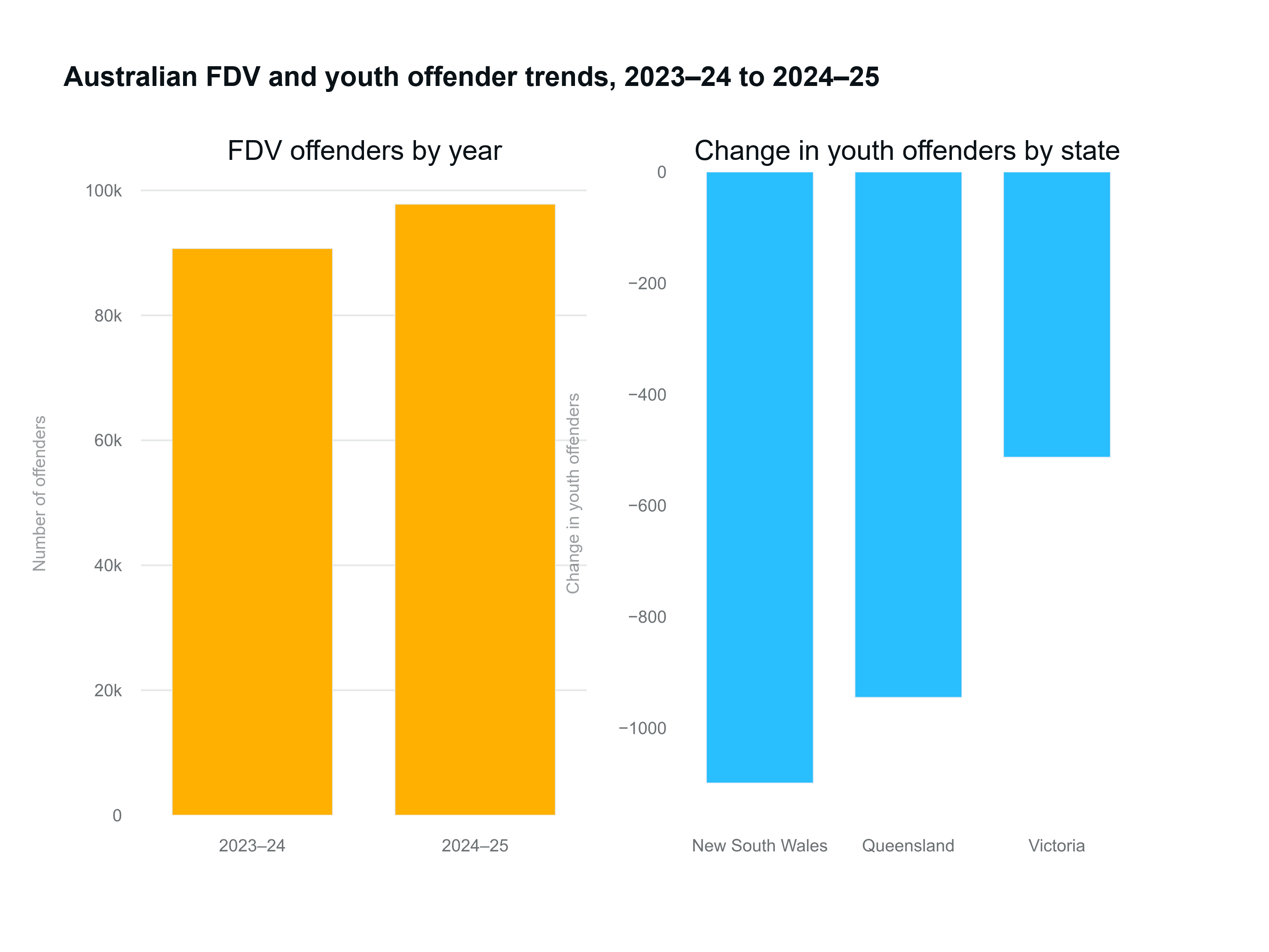
DV Safe Phone, one of the two Australian CIGP recipients, collects and repurposes mobile phones so people experiencing domestic and family violence can contact emergency services, support providers, and personal networks. The new funding coincides with Australian Bureau of Statistics (ABS) data showing an 8% increase in offenders proceeded against by police for family and domestic violence (FDV) offences in the 2024-25 financial year, an additional 7,103 offenders compared with 2023-24.
“There were 97,800 FDV offenders recorded by police in the 2024-25 financial year, up 8% from about 90,700 offenders in 2023-24. This was the largest annual increase in FDV offenders since national reporting began in 2019-20. 2024-25 marked the highest recorded offender rate since national FDV data was first published in 2019-20, at 403 offenders per 100,000 people,” said Samantha Hall, ABS head of crime and justice statistics. The ABS reported that more than three-quarters of FDV offenders were male (78%), with a median age of 35 years, compared with 32 years for offenders overall. The total number of offenders proceeded against by police rose 1% nationally to 344,620. Youth offenders (aged 10 to 17) fell 5% to 44,583, with decreases in five of eight jurisdictions, including New South Wales, Queensland, and Victoria.
Habitat for Humanity Australia, the other CIGP recipient, works through state partners in New South Wales, Victoria, South Australia, and Queensland. It partners with low-income families to build and purchase homes and runs repair and maintenance programs for disadvantaged households. Australia faces an estimated housing deficit of more than 600,000 homes, with projections indicating that the shortfall could exceed 1 million dwellings by 2036.
National data from 2021 recorded 122,494 people experiencing homelessness, a 5.2% increase from 2016. Land, construction, and materials costs in capital cities and regional centres have contributed to affordability constraints. A 2022 report by the Bankwest Curtin Economics Centre estimated that about 1.5 million renters are living in poverty due to increases in private rental costs. The federal government’s National Housing Accord, announced in late 2022, set a target of building 1 million homes over five years, though industry forecasts have indicated that annual construction may not fully meet that target.
Habitat for Humanity Australia and partner families have built more than 220 homes, funded through donations of money, materials, and land, and through volunteer labour. Future homeowners contribute 500 hours of “sweat equity” during planning and construction, which is recognised via a discount to market value at completion. The organisation has also begun constructing domestic violence shelters in Australia.
Habitat’s volunteer-based Brush with Kindness program supports women leaving domestic violence, young people recovering from substance dependence, and recently arrived refugees and is also used by corporate volunteer groups. Around 400 volunteers a year take part. Other programs include a Bushfire Resilience Program to help families prepare properties for future disasters, alongside international projects in Bangladesh, Cambodia, Fiji, Myanmar, Nepal, and Vietnam.
MetLife describes CIGP as part of its broader commitment to inclusive economic mobility and financial health in markets where it operates. “Through the Community Impact Grant Program, MetLife Foundation is investing in nonprofits that improve the well-being of people and communities. Together, we are helping individuals and families overcome challenges and move forward more stable and resilient,” said MetLife Australia CEO Richard Nunn. MetLife employees have taken part in the grant process by reviewing nonprofit applications and contributing to recipient selection.
The Australian grants highlight several themes with direct links to insurance portfolios: domestic and family violence, housing availability and affordability, and exposure to natural perils. These factors can influence claim patterns, lapse and arrears behaviour, and the design of products and hardship and vulnerability policies. As initiatives such as DV Safe Phone and Habitat for Humanity receive corporate funding, insurers may review how community investment, underwriting, pricing, and claims practices collectively address social and physical risks in Australian communities.