Brokers placing community housing property and business interruption risk in New Zealand are being marked on a question many submissions never answer. It is not how many dwellings a provider owns, or what they are worth. It is how closely that provider sits alongside the people living in them. Answer it badly and a well-run community housing portfolio gets priced as though it were an absentee landlord's rent roll.
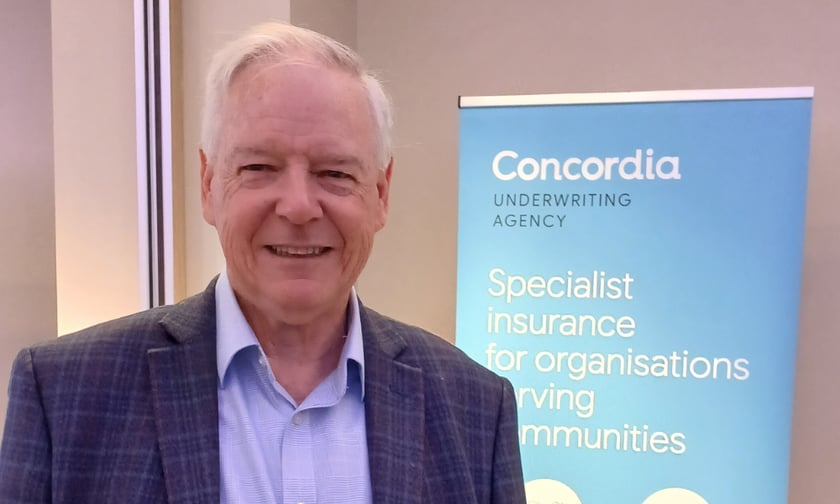
David Leather (pictured), CEO of Concordia Underwriting Agency, which underwrites faith and community housing and community service organisations on behalf of a Lloyd's syndicate, is direct about where the difficulty starts. Asked which of his risks are hardest to place, he named the sector.
"Probably community housing because it has a bit of a stigma attached to it, which is probably unfair in many circumstances and because of the things you see on the news," Leather said.
Read next: ACC funds 100 new homes in Auckland
He put the proportion of tenancies that run without incident at around 95%, and said the reputational drag comes from the visible minority. Whether or not the perception is fair, its effect on capacity is real – and it lands on a sector that is growing. There were 19,002 applicants on the Housing Register as at June 30 2026, down 0.6% on the same point in 2025, according to Ministry of Social Development figures. Registered community housing providers deliver a rising share of that stock alongside Kāinga Ora, with the government committed to expanding the CHP sector.
The distinction Leather draws is operational, not demographic.
"So it's really a question of understanding how community housing is operating and how they actually manage risks," he said.
In practice that means what the provider does between tenancy start and tenancy end. Leather described clients whose model puts staff physically inside the communities they house.
"Look, a lot of our clients, for example, actually have welfare officers actually living within the community looking after them," he said.
His agency treats that as a positive underwriting feature because it creates a close connection between the housing provider and the tenant. The converse is where the risk sits: a provider running a conventional property management arrangement, without wraparound support services, has less control over the tenancy, and Leather said problems tend to surface from those arrangements over time.
That reading is sharpened by market conditions. Leather described soft pricing prevailing while loss ratios rise – a combination that makes underwriters more selective, not less, and rewards submissions that explain a risk rather than describe it.
Sums insured, occupancy and claims history remain important but they do not neccessarily answer the question that decides terms. Brokers should be building the file around:
Leather's own summary of what he wants from a broker was about depth of client knowledge: understanding the organisation being represented and how it interacts with its client base.
For brokers, the practical consequence is that community housing is not a one risk class. It can be two business models sharing a name and only one of them prices well.