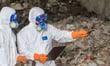
Hastings District Council has spent more than NZ$2,000 removing illegally dumped asbestos from a closed campground in Hawke’s Bay, in an incident that illustrates a contamination risk that can leave commercial property owners and landlords facing clean-up costs they did not cause and may not be insured for.
Asbestos-containing materials were dumped at Clifton Camp No 2, south of Te Awanga, over two consecutive days. Four council workers spent four hours removing the waste, including substantial quantities of broken fibrous material. Damaged asbestos materials can release hazardous airborne fibres, requiring controlled removal and disposal procedures well beyond standard rubbish collection.
The campground closed in July because of storm surge risks but has continued generating costs since. A council spokesperson said illegal dumping had occurred almost daily after the Clifton campgrounds first closed, though incidents had declined as work progressed. The council has installed limestone boulders to restrict vehicle access and a neighbouring site now carries temporary security monitoring.
The Clifton incident is modest in cost, but the exposure it illustrates is not. Standard property and public liability policies commonly exclude pollution-related losses, which means that when hazardous materials are dumped by a third party on a property the owner did not contaminate, the remediation cost can fall entirely on the owner regardless of fault.
Specialist environmental liability policies can cover certain clean-up expenses, third-party claims and regulatory response costs, but brokers placing cover for commercial landlords, developers and local authorities managing vacant or transitional sites should check several things before assuming specialist cover will respond: asbestos exclusions are common, pre-existing contamination provisions may apply, and conditions relating to illegal dumping by unknown third parties can affect whether a claim is payable at all.
The significance of that wording detail was demonstrated in a case directly relevant to the regional market. In December 2025, the NSW Supreme Court largely rejected Seymour Whyte Construction’s pollution liability claim against Liberty Mutual, finding that disputed remediation costs arose from existing workplace safety obligations rather than the pollution conditions the policy was written to cover. Even where a specialist policy is in place, the boundary between what is covered and what is not can be narrower than expected.
For property owners managing contaminated land in Australia, the exposure goes further than clean-up costs. Victoria’s duty-to-manage framework requires those who control affected properties to minimise risks to human health and the environment so far as reasonably practicable, even when they were not responsible for the original contamination. Comparable obligations apply in other jurisdictions, and similar principles inform regulatory expectations in New Zealand.
That duty-to-manage exposure is the live concern for any broker with clients holding vacant commercial property, closed leisure facilities or land in transitional use. The question is not only whether a specialist environmental policy exists but whether it was structured with third-party dumping, statutory clean-up obligations and regulatory response costs explicitly in scope.
Hastings District Council has not disclosed whether its asbestos clean-up is insured or whether it will seek reimbursement. The council has urged residents to report illegal dumping.