Three consumer organisations have abandoned the National Insurance Brokers Association's (NIBA) code of practice consultation, declaring that meaningful reform of the strata insurance sector will not come through industry self-regulation. Instead, they are redirecting their campaign to the Australian Securities and Investments Commission (ASIC) and government.
The Australian Consumers Insurance Lobby (ACIL) and strata owner advocacy groups, the Owners Corporation Network (OCN) and the Unit Owners Association of Queensland (UOAQ), announced their withdrawal yesterday. The dramatic move comes a week after NIBA opened its rewritten draft Insurance Brokers Code of Practice for public consultation. The stakes are high: According to the Australian Prudential Regulation Authority (APRA), total premium invoiced through intermediaries reached $22.97 billion for the six months to December 2025, with intermediaries placing approximately 50% of gross written premium (GWP) for APRA-authorised general insurers.
"For years we've engaged with NIBA in good faith," said ACIL chair Tyrone Shandiman. "We've prepared detailed submissions, attended consultations, responded to independent reviews and provided practical solutions. This draft tells us everything we need to know about the industry's appetite for genuine reform."
Shandiman said efforts are now best focused through ASIC and government.
OCN co-managing director David Glover pointed to fresh compliance findings. "Just this week the Insurance Brokers Code Compliance Committee reported that a review of seven brokers resulted in nine breaches being issued, two brokers being referred to ASIC, and one to NSW Fair Trading," he said. "A professional code should lead the industry. It should set higher standards than the law and give consumers confidence that difficult issues are being addressed."
UOAQ president Mike Murray said the draft "sends a disappointing message" to strata owners. The walkout follows months of escalating pressure, with the same three groups having earlier pressed NIBA to prohibit conflicted strata broker payments during the code review's first consultation phase.
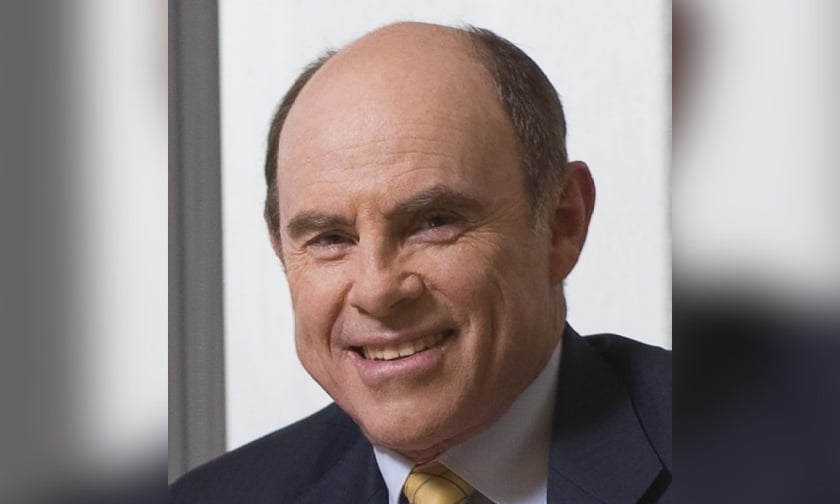
The walkout landed the same day as a submission from actuary and former government reviewer John Trowbridge (pictured) OAM, who told NIBA CEO Richard Klipin the draft contains "continuing material shortcomings and gaps" - chief among them its silence on commissions.
"Most importantly, the absence of any recognition that commissions represent a conflict of interest is not acknowledged and is a major deficiency," Trowbridge wrote, arguing that disclosure of conflicts should always include commissions.
Trowbridge also placed NIBA's position in a longer pattern. His TasInsure Assessment for the Tasmanian Department of Treasury and Finance documented that a 2021 internal NIBA code review recommending greater remuneration disclosure was rejected by the NIBA board, and that a 2025 external independent review making the same recommendation was rejected again. "There appears to be no good reason for these limitations beyond broker self interest," he wrote. His recommendation: remuneration disclosure by all brokers for all products, with brokers obliged to give clients a copy of the insurer's quotation and invoice alongside their own.
On strata, Trowbridge described brokers passing most or all of a standard 20 per cent commission to strata managers, then adding a broker fee of five to 20 per cent of premium – total intermediary charges of 25 to 40 per cent of base premium. "Both strata manager and broker are conflicted under this commission rebate/broker fee system," he wrote.
The compliance record gives the critics ammunition. Remuneration-disclosure breaches reported to the Insurance Brokers Code Compliance Committee (IBCCC) rose from 42 in 2023 to 334 in 2024, and the committee's 2025 Annual Data Report documented 5,417 code breaches affecting 14,842 clients. The regulatory temperature is also rising: ASIC's 2026 enforcement priorities, announced in November 2025, name insurance complaints and claims handling as a new focus area, with the regulator having doubled its new investigations and nearly doubled new court proceedings over the past 12 months.
NIBA's stance also contrasts with the adjacent insurer market, where the Insurance Council of Australia's rewritten General Insurance Code of Practice will be contractually enforceable, giving consumers direct legal rights.
NIBA has defended its draft, which expands remuneration disclosure across all strata insurance and delivers eight client-facing enhancements including dollar-figure disclosure at invoice stage and a 28-day pre-renewal contact commitment.
"Codes are fundamentally about trust, and trust is built by being transparent with clients, treating them fairly, and pushing the profession to keep improving," Klipin said. The draft reflects NIBA's January 2026 decision to back six review recommendations while rejecting or reworking eight, including contractual enforceability. NIBA cited its consumer research finding 84% of clients trust their broker to act in their best interests and noted broker matters were 0.8 per cent of Australian Financial Complaints Authority (AFCA) complaints in 2024-25.
The NSW Productivity and Equality Commission's February 2026 Strata Commissions Review found moving strata managers to fee-for-service could generate more than $333 million in net benefits over 15 years but noted state governments cannot regulate broker commissions, which sit under Commonwealth law. That leaves broker remuneration governed only by federal statute and a voluntary code that consumer groups have now publicly abandoned as an avenue for change.
The consultation closes August 7, 2026.