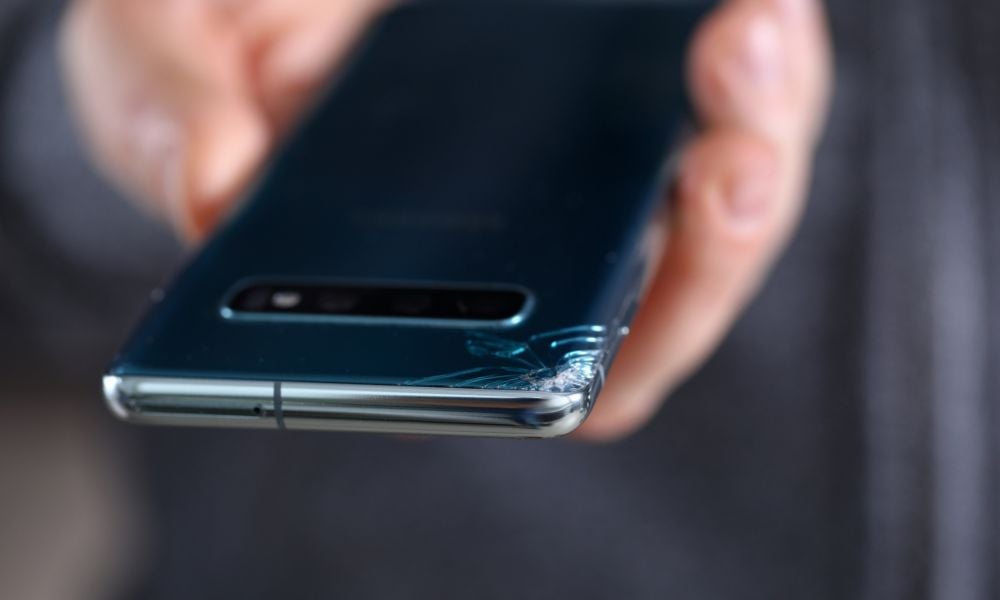
Back glass damage is the most common reason Australians make mobile phone insurance claims - ahead of cracked front screens, display panel failure and unresponsive touchscreens - according to new data released by health insurer Bupa.
The finding may appear counterintuitive: most device owners would expect front screen damage to dominate. The shift reflects the widespread adoption of all-glass rear designs on premium smartphones, which have made back panels as vulnerable to impact damage as the screens they sit opposite.
Bupa's analysis, drawn from its claims history, ranked nine categories of physical damage in order of frequency. Back glass damage placed first, followed by display bleed or panel damage, unresponsive touchscreens and cracked front screens. Lower on the list were power failures, structural bending, camera damage, charging port failure and water damage. Industry data from compareinsurance.com.au identifies broken screens and drop damage onto hard surfaces as the two most frequent physical damage claims across the broader Australian market, consistent with Bupa's ranking.
The findings come as smartphone dependency deepens nationally. Meltwater and We Are Social's Digital 2026: Australia report recorded 34.1 million cellular connections active in the country in late 2025 - a figure that exceeds the total population, reflecting multiple SIM cards and connected devices held by individual users. Bupa said more than 90% of Australians rely on their devices daily for communication, banking, health management and digital identification.
Madeleine Young, general manager of product proposition and loyalty at Bupa, said repair costs had climbed well beyond what many policyholders expect. "Phone repair and replacement costs have risen sharply, with screen repairs now costing hundreds of dollars and popular phones costing thousands to replace," she said. "At the same time, cybercrime and scams continue to increase, leaving many Australians financially exposed - your digital ID is just as valuable as your wallet."
The broader insurance complaints environment adds context to the scale of consumer exposure. The Australian Financial Complaints Authority received 34,231 general insurance complaints in 2024-25, a 17% increase from the prior year, with misleading product information complaints rising 365%. Delay in claim handling was the most complained-about issue across all financial services, with 9,274 complaints recorded.
Read next: The risk manager with a lot on his mind is coming to the pier with something to say
Coverage gaps compound the problem. Many contents insurance policies exclude phones used outside the home, while coverage offered by retailers, manufacturers and telcos is typically limited to accidental damage and tied to the purchase of a new handset. Most policies cover theft and accidental damage, but not all include coverage outside the home, and per-item limits under contents policies do not always cover the full cost of repair or replacement, according to Finder's April 2026 guide to phone insurance in Australia.
Physical damage is not the only risk weighing on device owners. The Australian Signals Directorate's Annual Cyber Threat Report for 2024-25 recorded more than 84,700 cybercrime reports - one every six minutes on average - with the average self-reported cost to individuals rising 8% to $33,000. The most commonly reported cybercrimes by individuals were identity fraud, online shopping fraud and online banking fraud.
For a device that Australians now use to manage their finances, health records and digital identity, the convergence of physical fragility and digital vulnerability makes adequate coverage less a discretionary add-on and more a straightforward risk management decision.