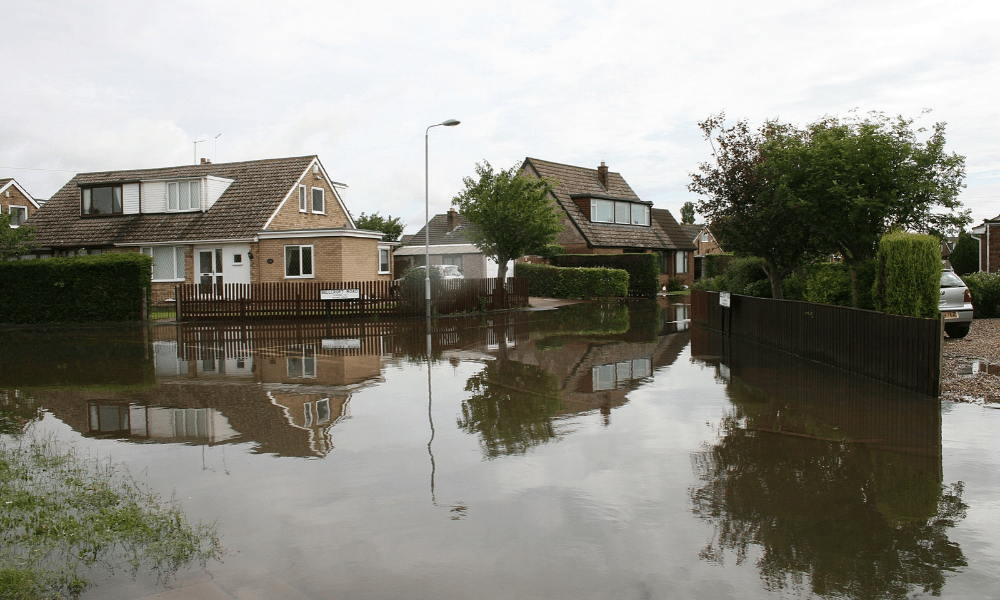
Weather-related claims costs more than doubled at two of New Zealand's largest insurers in the past financial year, adding to pressure on profitability even as competition keeps commercial insurance premiums down.
Vero Insurance recorded $184.6 million in weather-related natural hazard claims for the year ended 30 June 2026, up from $70.6 million a year earlier, according to its latest climate disclosures.
IAG, which underwrites AMI, State and NZI, reported claims of $322 million, up from $132 million, following 44 weather events, including damaging winds in Southland and heavy rainfall in the Bay of Plenty.
Tower Insurance's large-event claims also rose to approximately $25 million for the year ended 30 September, from $7.2 million. However, costs remained below its $45 million annual allowance, and the insurer raised its full-year profit guidance ahead of its 26 November results.
"Last year we noted that FY25 large event costs were unusually low and well below Tower's historical 10-year average," a spokesperson said.
The increases come despite continued competition in New Zealand's commercial insurance market. Gallagher's September market update found that pricing remained favourable for buyers across most major classes, although rising claims costs were putting pressure on insurer profitability.
Suncorp New Zealand, which owns Vero, reported a 4.8% decline in gross written premiums to $2.76 billion in its 2026 financial results, reflecting softer market conditions and lower reinsurance costs.
Continued weather losses could limit further premium reductions, particularly for properties exposed to natural hazards. Rothbury's 2026 commercial market assessment found that flood-prone properties and those with repeated claims were already facing fewer quotes, higher deductibles and tighter renewal conditions.
Tower has also expanded its risk-based pricing approach to account for sea surge and landslide exposure, while a recent Insurance Brokers Association of New Zealand survey found that more than 60% of responding brokers were experiencing greater difficulty placing cover because of natural hazard and climate-related risks.
Vero projects that climate change could increase weather-related natural hazard claims costs by 12% to 15% by 2040 and 21% to 27% by 2050, depending on the warming scenario. While these are not forecasts of premium increases, they point to longer-term pressures on pricing, reinsurance costs and insurance availability.
Suncorp executive officer Tom Hinds said addressing climate-related risks "will be essential to managing the cost of claims, reinsurance and maintaining affordable and accessible insurance cover in the coming decades.”
The concerns come as uncertainty remains over how New Zealand will fund measures to protect communities from natural hazards.
Climate Change Minister Simon Watts introduced a 16-action National Adaptation Framework in late 2025, outlining measures to improve risk identification, infrastructure resilience and local adaptation planning.
Proposed legislation requiring councils to develop adaptation plans for high-risk areas did not pass before Parliament rose ahead of the election, while decisions on sharing adaptation costs were deferred. The Climate Change Commission has also warned that adaptation efforts are not keeping pace with growing climate risks.
IAG's 15-year natural hazard risk reduction roadmap estimates that natural hazards have cost New Zealand at least $64 billion over the past 15 years, with approximately 95% spent on disaster response and recovery rather than reducing future risks.
"The human and financial cost of disasters continues to grow with serious consequences for affected communities and New Zealand's long-term economic resilience. For many years we've made our position clear that the government needs to do more to enable councils and property owners to reduce the natural hazard risk that they face,” IAG New Zealand chief executive Phil Gibson said.
With adaptation funding unresolved, the gap between lower-risk properties benefiting from competitive pricing and higher-risk properties facing tighter insurance terms could widen.