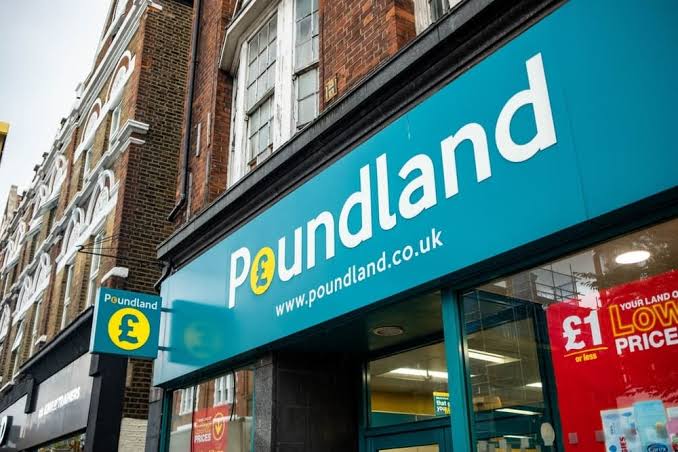
Poundland’s slow-motion crisis has thrown one of insurance’s quieter products into sharp relief.
The discount retailer, which operates around 600 stores across the UK and employs approximately 12,000 people, is on the brink of collapse after its American owner, Gordon Brothers, restricted Poundland’s access to a lending facility used to fund day-to-day operations, the BBC reported. Poundland has filed a notice of intention to appoint administrators, giving it until Thursday to secure a rescue deal. Without one, the chain faces being broken up and sold off in parts.
Three independent directors appointed to steer the sale process were understood to have expressed disquiet at what appeared to be attempts by Gordon Brothers to manoeuvre Poundland towards an insolvency process, and all three subsequently resigned. Gordon Brothers has told the UK government it is engaged in discussions to protect stores and jobs, but a credible deal has not yet been agreed.
The financial distress engulfing Poundland did not begin this week. As early as September 2026, credit insurers stopped providing new cover to some companies trading with the chain, following uncertainty surrounding its ownership. The same pattern had already emerged during Pepco’s sale of the business in 2025, when restructuring papers recorded suppliers seeking reduced payment terms after insurers pulled back.
Suppliers are often encouraged to extend trade credit to retailers, which effectively increases their exposure as unsecured creditors. When confidence falters, they may seek to reduce exposure by demanding cash on delivery or ceasing supply. Many suppliers rely on trade credit insurance to mitigate the risk of non-payment, but insurers themselves may withdraw cover if they assess the buyer’s financial position as deteriorating.
High Court documents from Poundland’s earlier restructuring plan in 2025 confirm this dynamic. The withdrawal of trade credit insurance imposed further funding pressure on Poundland and triggered demands for shorter payment terms from suppliers, compounding the financial strain the business was already under.
The result is a self-reinforcing spiral. Perceived distress prompts cover withdrawal. Cover withdrawal restricts supply. Restricted supply accelerates the very distress that triggered the retreat in the first place.
Poundland is not an isolated case. Company administrations in the UK jumped 41% between December 2025 and January 2026, with retail and hospitality among the most affected sectors. Against that backdrop, the UK trade credit insurance market presents a striking paradox: conditions for buyers remain unusually competitive, even as retail, construction and textiles are identified as sectors requiring particular vigilance.
That gap between soft market conditions and rising sector risk is where the opportunity sits for brokers advising supply-chain clients. Suppliers who weren’t insured before Poundland’s distress became visible will find it harder to secure cover now. Insurers move early, and they move fast when a major buyer’s position deteriorates. Trade credit underwriters have been monitoring the sector closely, with late payment signals across UK retail tightening in step with rising insolvencies.
There is also a directors’ and officers’ dimension. Gordon Brothers’ executives are due before a parliamentary select committee, and the government has launched an investigation into whether they needlessly drove Poundland into administration. It is the kind of scrutiny that sharpens D&O liability exposure.
Trade credit claims may rise as counterparties default. Professional and management liability exposures can also surface as decisions taken before insolvency come under closer examination, as the collapse of Claire’s earlier this year illustrated.
Whatever outcome Thursday’s deadline produces, Poundland’s situation illustrates something that runs through most large retail failures: insurance cover tends to retreat before the collapse becomes public, leaving the suppliers who most need protection already exposed by the time the administrators arrive.