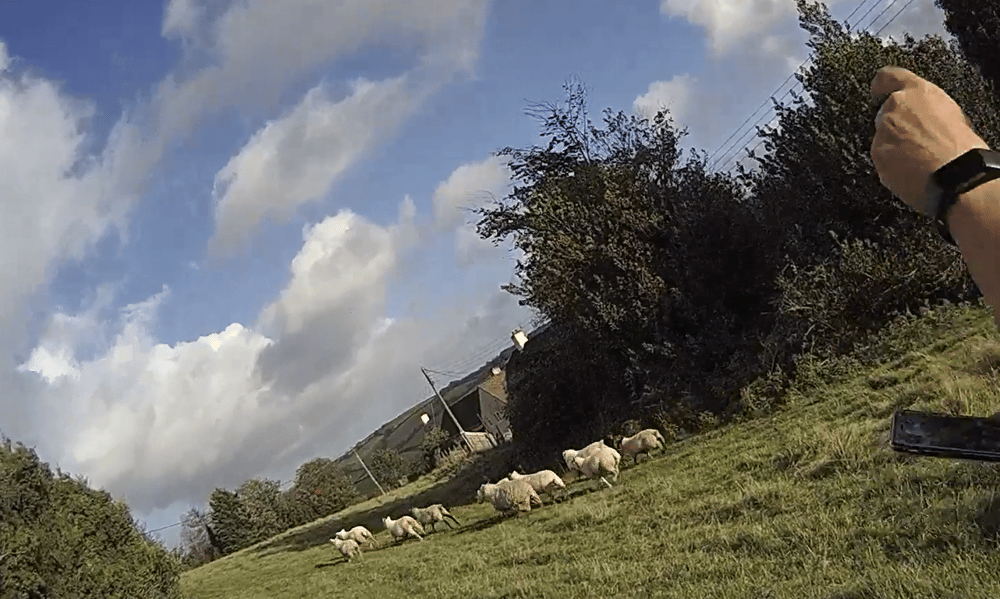
A 24-year-old man was arrested in Devon last month after an insurer referred a third suspicious claim, worth £64,800, to police before it could be settled. Two earlier claims under the same policy had already paid out £28,220 for over 650 sheep he alleged were stolen. The case illustrates what early claims vigilance can achieve in a corner of the market where fraud is rarely discussed but quietly growing.
The City of London Police’s Insurance Fraud Enforcement Department (IFED) carried out the arrest on suspicion of fraud by false representation and for making or supplying articles for use in fraud. The investigation concerns three claims submitted within 12 months under a single policy, each alleging the theft of sheep from rented fields in the South Molton area of Devon. It is believed the reported thefts did not take place and that documents submitted in support of the claims may have been fraudulent.
Officers attended a residential address in South Molton on October 13, alongside the local neighbourhood policing team, the local authority, and the Rural Crime Agency. Searches of two residential addresses, a garage, and two vehicles resulted in documents and a mobile phone being seized, along with two shotguns found to be in breach of licensing conditions. Veterinary professionals and officers also checked the welfare of the animals against records held by the Rural Payments Agency. The sheep were found alive and well. The man was released under investigation.
The case reached IFED after the insurer referred it to the Rural Crime Agency, which passed it on. That referral chain is what stopped the third and largest claim from being paid. IFED, funded by the insurance industry and administered through the Association of British Insurers (ABI), accepts fraud referrals from insurers and third parties including the Insurance Fraud Bureau (IFB). The speed of the referral here made the difference between a blocked payout and a settled one.
Detective Constable Carley Parodi, from IFED, said the case was a reminder that rural fraud carries consequences beyond the individual claim.
“Rural insurance fraud may be less common, but it can have a significant impact on insurers and genuine customers,” she said. “Fraudulent claims distort the true picture of risk and can contribute to higher premiums for honest policyholders. We will continue to investigate these offences and take action against those who seek to profit through fraud.”
For carriers active in the agricultural and rural sector, that distortion is an underwriting concern, particularly given the trajectory of livestock theft claims. According to NFU Mutual’s 2026 Rural Crime Report, the cost of livestock theft across the UK rose by nearly 30% to an estimated £4.5 million in 2025, even as the overall cost of rural crime fell by around 6% to £41.5 million. The insurer described livestock theft as having become “highly organised, in line with the wider trend in rural crime.”
Distinguishing fraudulent livestock theft claims from genuine ones is harder than in many other lines. Sheep are required to be tagged under UK livestock traceability rules, but tags can be lost, removed, or misapplied, and records held by the Rural Payments Agency do not always reflect what is physically in the field. That verification gap is what makes early referral valuable. When a pattern emerges across multiple claims on a single policy within a short period, the insurer’s fraud team has the route to escalate before further payments are made.
Tim Passmore, chair of the National Rural Crime Network, welcomed the multi-agency approach. “Livestock insurance fraud harms rural businesses, increases costs for honest policyholders and undermines efforts to understand and tackle rural crime,” he said. “Sharing intelligence and working together is vital to protecting rural communities and ensuring suspected fraud is properly investigated.”
The case was flagged not by police, but by a claims team, and it was the speed of that referral that prevented a further £64,800 from leaving the insurer.
The man arrested has not been charged and remains under investigation. All individuals are innocent until proven guilty.