
Best Professional Liability Insurance Providers
| 5-Star Professional Liability
Jump to winners | Jump to methodology
Beyond the quote
Brokers name the standout errors and omissions providers that deliver when claims hit
By Kim Champion
|
Key insights Best professional liability insurance providers 2026
|
Quoting is the easy part in 2026. Firms shopping for professional liability insurance will find capacity everywhere and prices that barely move. Small-account premiums across commercial lines fell just 0.5 percent in the second quarter of 2026, according to The Council of Insurance Agents & Brokers.
Winners are listed alphabetically; 5-Star winners are not ranked. |
A much cheaper quote is not always the bargain it looks like. To Joseph Cook, practice group leader for technology, life sciences, and cyber liability at The Arizona Group in Mesa, Arizona, it signals a carrier that expects to share less of the insured’s risk than its rivals.
“The aleatory nature of insurance makes this concept painful for insureds; that said, we as brokers have the responsibility to educate that significantly lower cost on a like-for-like product is much less common than the alternative, that being a material transfer of risk back to the named insured for what is always modest savings in comparison against said risk,” he says.
The real test comes later, at the claim: rising defense costs are driving claim severity, and AI exclusions are fragmenting coverage.
Brokers see those moments up close, and that’s why they are the key players casting the votes behind Insurance Business America’s 5-Star Professional Liability 2026 awards.
Professional liability insurance, also called errors and omissions (E&O) insurance, protects professionals and firms against claims that a mistake, oversight, or failure in their services caused a client financial harm, typically covering defense costs, settlements, and judgments.
How brokers chose the 2026 5-Star winners
The winners were chosen in three stages:
-
Broker vote, July 2026. IBA’s research team invited brokers across its nationwide audience, through multiple survey channels, to vote for the professional liability insurers they believe deliver the strongest value in today’s market.
-
Detailed submissions. Insurers with notable broker support could then submit detailed entries on their coverage features, claims support, and underwriting expertise.
-
Final selection. Winners were selected primarily on overall broker support, with additional consideration given to product quality, claims handling, underwriting expertise, and broker relationships.
Key takeaway: Ample capacity makes professional liability easy to buy in 2026, but rising defense costs and spreading AI exclusions make claims costlier and coverage harder to read, raising the value of expert claims handling and clear wording.
|
Market at a glance, 2026 Easy to buy, costlier to defendProfessional liability cover is plentiful and competitively priced, while rising defense costs push claim severity higher.
|
Capacity keeps professional liability easy to buy
Capacity is the defining feature of the professional liability market in 2026. Commercial insurance rates worldwide fell an average of 6 percent in the second quarter, the eighth straight quarterly decline, according to Marsh’s Global Insurance Market Index.
-
Carriers chasing growth. IMA Financial Group’s Q3 2026 market update found capacity abundant across most lines, with some carriers behind on their growth targets.
-
More than 60 markets for lawyers. Amwins, itself a 2026 winner, counts more than 60 active markets in lawyers’ professional liability in its 2026 state of the market outlook.
Surplus lines are writing more of it, too. Professional liability premium in the excess and surplus (E&S) market grew 15 percent in the first half of 2026, according to the Wholesale & Specialty Insurance Association’s 2026 midyear report, as covered in IBA’s analysis of what E&S midyear data means for brokers.
Steve Adam, senior vice president of professional liability at Dallas-based Upland Specialty Insurance, said in a July 2026 Insurance Business report: “We’re seeing a lot of new entrants into the marketplace and a lot of new players, which has increased capacity over time. That’s creating challenges in pricing because rates continue to be driven down.”
Are small-business professional liability premiums still falling?
Only slightly. Small-account premiums fell an average of just 0.5 percent across all commercial lines in the second quarter of 2026, against 3.7 percent for large accounts, according to The Council of Insurance Agents & Brokers’ second-quarter 2026 survey. Burns & Wilcox’s Q3 2026 outlook calls professional liability rates generally stable to soft, with early firming in large-company directors and officers (D&O) liability and cyber.
For small firms, Cook says, the real pressure sits in the specimen policy, an insurer’s standard, unmodified form. “For truly small businesses, you are getting specimen policy and specimen endorsement only, as the economics of involving legal teams to make a customized policy just are not there,” he says.
Hiscox USA builds its small-business product around that gap. Its miscellaneous professional liability (MPL) policy tailors coverage to classes such as accountants, consultants, and staffing firms, in plain language for owners without a risk manager or in-house counsel, according to its 2026 submission. With little price left to give, small-business E&O insurance companies now compete on coverage breadth, service, and claims handling.
Why are professional liability claims costing more to defend?
The claims side of the ledger is moving in the opposite direction. Burns & Wilcox’s Q3 2026 outlook found that social inflation (rising claim costs driven by plaintiff-friendly legal trends and larger jury awards), litigation trends, and rising claim severity are driving both underwriting scrutiny and demand for specialized solutions in casualty and professional liability.
The Ames & Gough 2026 survey of 15 architects and engineers’ liability insurers shows how quickly that pressure is building.
-
Severity is rising every year. Sixty percent of insurers experienced higher claim severity in 2025, up from 53 percent the prior year and 41 percent in 2023 in the previous edition of the survey, which covered 17 insurers, and none reported lower severity.
-
Defense costs weigh heavily. Fourteen of the 15 (93 percent) said rising defense costs were materially affecting claim severity.
-
What’s pushing defense costs up. Insurers cite more aggressive plaintiff attorneys, wider use of eDiscovery and expert witnesses, and longer resolution times.
That pressure helps explain why most architects and engineers’ liability insurers plan rate hikes in 2026.
In legal, EPIC Insurance Brokers & Consultants’ 16th annual lawyers professional liability claims survey, released in May 2026, found that eight of the 13 insurers reported higher claim frequency year over year and 11 of 13 reported materially higher defense spending. The insurers surveyed together cover more than 80 percent of Am Law 200 firms, the largest US law firms by revenue and a different end of the market from the solo practitioners and small firms in Arch Insurance’s California program.
|
Claim severity, 2023–2025 Claim severity keeps climbing for design professionalsThe share of architects and engineers liability insurers reporting higher claim severity rose from 41% in 2023 to 60% in 2025, and none reported lower severity in 2025, according to Ames & Gough’s 2026 survey.
Share of insurers reporting higher claim severity than the previous year. The 2023 and 2024 figures come from the survey’s previous edition. What insurers say is pushing defense costs up
|
Cook sees the same pattern on his own desk. “I have been at this for 12 years now, and all of my largest professional liability claims have been either defense only or 75-plus percent defense,” he says.
On many professional liability policies, defense costs count toward the policy limit, and the deductible often applies to them as well. A long, expensive defense can erode the cover left for a settlement and add to the insured’s own costs, which makes the quality of a carrier’s claims team a direct financial question for insureds.
AI is fragmenting professional liability coverage
AI is fragmenting coverage line by line. Fenwick’s June 2026 analysis of emerging AI exclusions found insurers narrowing AI protections across cyber, technology E&O, D&O, and employment practices liability, leaving gaps no single policy fills. In general liability, carriers can now attach optional generative AI exclusions from Verisk’s Insurance Services Office, as the Independent Insurance Agents & Brokers of America detailed in its guide to the new forms.
Most carriers remain silent on AI in their policy language, according to RAND’s September 2026 report, The insurability of artificial intelligence, yet claims are already arriving. Seven of 13 insurers in EPIC’s 2026 survey reported more AI-related claims, as IBA reported when AI claims reached the legal malpractice market.
The Arizona Group’s Cook favors broad technology services wording that carriers read to include AI without defining it. “To my mind, this is the leading approach, as it leaves the most room for coverage to be triggered,” he says.
Hiscox USA says in its 2026 submission that its plain-language policies mean fewer surprises at claim time.
Key takeaway: The typical 2026 5-Star professional liability winner writes or places miscellaneous professional liability, cyber, and employment practices liability coverage, and all 10 winners back their clients after the sale through risk management, pre-claim support, or claims advocacy, according to an IB analysis of the winners’ official websites.
Combine the top-rated professional liability carriers and wholesale providers in the 2026 broker vote into a single provider, and the result is a specialist that sells a broad package and stands behind it when a claim arrives. The most consistent thread across the composite winner appears after the policy is bound. Every winner backs its clients after the sale through risk management, pre-claim support, or claims advocacy, and eight of 10 publicly describe a specialist claims team or in-house claims advocates. Other trends include:
-
A universal core. All 10 winners write or place miscellaneous professional liability, cyber, and employment practices liability coverage.
-
Management liability alongside it. Nine of 10 add directors and officers liability.
-
Management liability alongside it. Nine of 10 add directors and officers liability.
-
Small firms first. Seven of 10 name small businesses as a core market.
-
Law firms and accountants. Nine of 10 winners publicly offer coverage for law firms, and seven offer coverage for accountants.
|
Winner data, 2026 What the 2026 winners have in commonAll 10 winners write or place miscellaneous professional liability, cyber, and employment practices liability coverage and back clients after the sale, according to an Insurance Business analysis of the winners’ official US websites.
Counts are a publicly documented minimum: a line is counted only where an official US page from the winner describes it. Websites reviewed Sept. 28, 2026, and rechecked Oct. 9, 2026. Post-sale support covers risk management, pre-claim services, or claims advocacy. |
California Lawyers Professional Liability program, sponsored by the State Bar of California for 25 years
Key takeaway: Arch Insurance Company connects California attorneys who report a claim with a claims manager who is also a licensed California attorney, typically within 24 hours, and its program resolves claims in an average of 1.9 years from first notice, according to the company.
Figures as provided by Arch Insurance in its 2026 submission. |
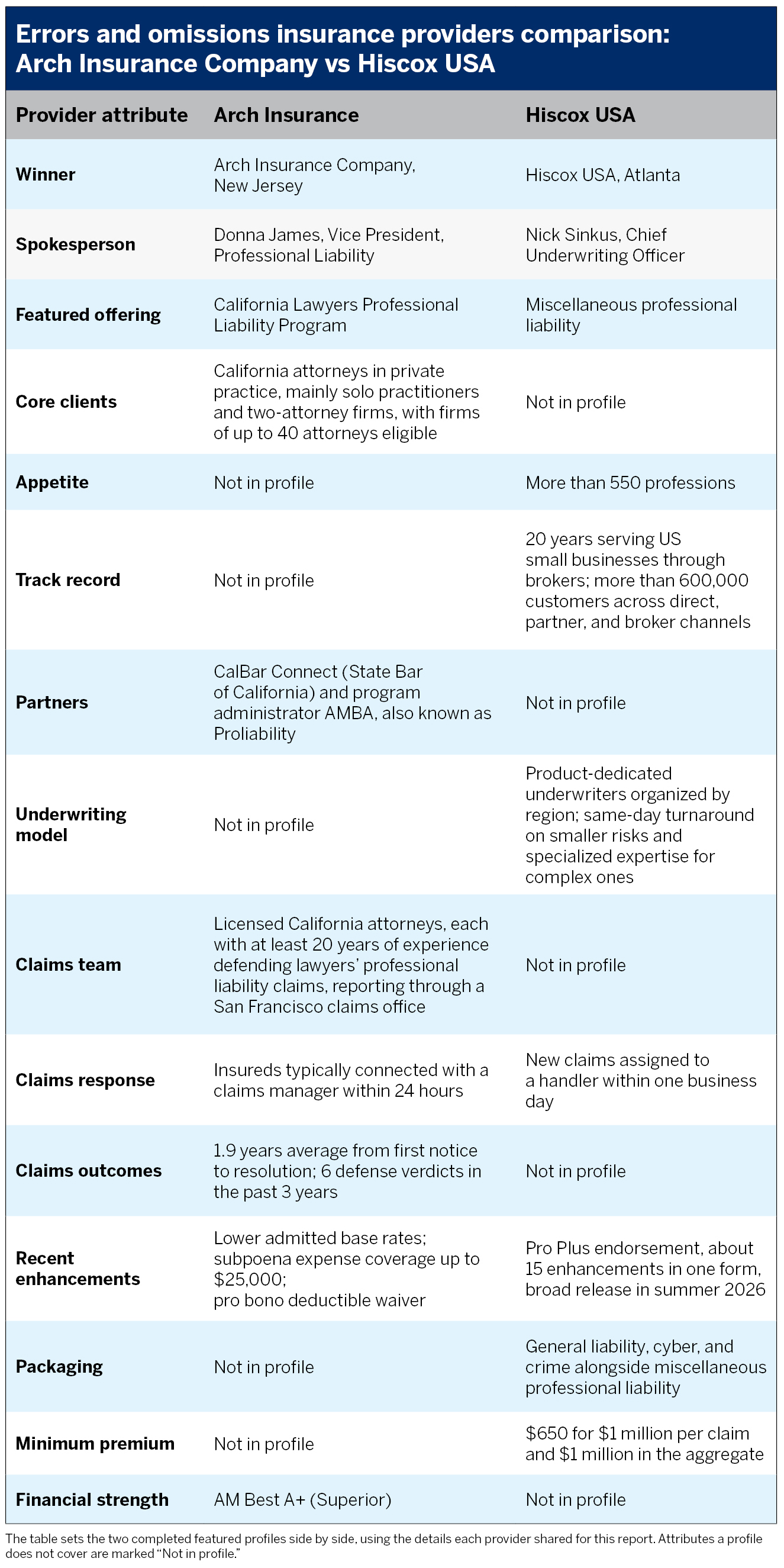
When a California attorney insured through Arch Insurance Company reports a claim, a claims manager is typically on the line within 24 hours, and that manager is a licensed California attorney, too.
That first conversation sits at the center of Arch’s California Lawyers Professional Liability program, which has served attorneys in private practice for 25 years through the State Bar of California’s CalBar Connect and program administrator AMBA, also known as Proliability.
Many of the program’s insureds are solo practitioners and small firms practicing what Donna James, vice president of professional liability at Arch Insurance, calls “people law,” including family law, immigration, and wills, trusts, and estates.
She describes Arch’s claims managers as empathetic partners who guide insureds through everything from a potential claim to extensive litigation while making sure they access the maximum coverage available under the policy. Claims are reported locally through Arch’s San Francisco claims office, according to its 2026 submission.
That experience sits behind the program’s claims record. Claims professionals on the program have, on average, 20 years of experience defending lawyers’ professional liability claims, according to the submission. The program resolves claims in an average of 1.9 years from first notice and has secured six defence verdicts in the past three years, the company says. The program builds on Arch’s track record, which includes a 5-Star Professional Liability award in 2024 and a 5-Star Claims award in 2025.
The policy also rewards early resolution. Arch halves the deductible, up to $25,000, when a claim settles through alternative dispute resolution before litigation, and its claims-made-and-reported policy, which covers claims first made and reported during the policy period, includes a 60-day mini-tail, a short window to report claims after the policy ends, at no additional premium, according to its 2026 submission.
James traces the program’s evolution to changes in legal practice. Advances in technology have brought higher malpractice verdicts, new exposures such as data breaches and wire transfer fraud, and rising regulatory and disciplinary exposure, she says, and Arch has responded by expanding coverage and adding sub-programs for specific practice areas and experience levels.
-
Subpoena expense coverage. Coverage of up to $25,000 for subpoena costs appears to have drawn the strongest positive response from brokers and insureds of Arch’s recent additions, although it has been in place for a relatively short time, James says.
-
Lower base rates. Arch lowered its admitted base rates, the rates it files with state regulators, within the past 24 months to reflect the program’s strong overall performance while evaluating each applicant on the firm’s specific characteristics under the same consistent underwriting guidelines.
-
Practice-specific sub-programs. The New Admittee, Arbitration/Mediation, and Economic Justice sub-programs price coverage for newly admitted solo attorneys, solo attorneys whose practice is entirely arbitration or mediation, and solo attorneys of five years or more who serve pro bono and “low bono” clients.
-
Dedicated program administrator support. Three dedicated home office underwriters with more than 45 years of combined experience support the program, with a 24-hour turnaround on underwriting referrals, according to the submission.
Subpoena coverage answers a cost that small firms feel directly. “Subpoenas are relatively common for attorneys, particularly in higher-risk practice areas, and responding to them can be time-consuming and costly, an especially important consideration for the smaller firms Arch insures,” she says.
Arch’s post-claim surveys show how insureds experience the program. One CalBar insured said their claims manager “was looking out for our best interest as the insured,” and another said, “I thought that we worked well together to get the claim resolved.”
Arch’s James sees that experience in its renewals. “CalBar insureds continue renewing their policies with Arch because they know that if they have a claim, they will have a trusted and dedicated partner guiding them through to resolution,” she says.

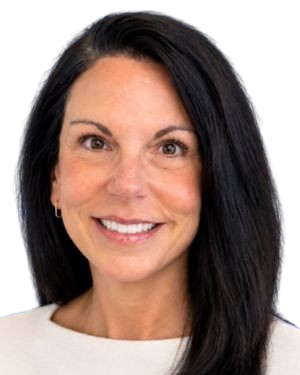
Donna JamesArch Insurance
Q&A with Donna James, Arch Insurance
Why does it help insureds that Arch’s claims managers are attorneys?
CalBar insureds know not only that the claims handler has had years of handling professional liability claims but also that they have an intimate knowledge of California law.
How do Arch, AMBA, and CalBar Connect work together?
Both AMBA and CalBar Connect have access to Arch claims and actuarial teams, and Arch provides both with data on a regular basis to ensure that the coverage we provide is responsive to the needs of California attorneys. In turn, Arch depends on AMBA and CalBar Connect to share the specific needs of California attorneys.
How does Arch balance lower rates with rising claim frequency?
While we have seen an increase in claim frequency, the outcomes have been more favorable than the frequency trend alone might suggest, supported by effective claims management and disciplined risk selection. We maintain the appropriate balance through close communication and partnership among our claims, actuarial, and underwriting teams.
Miscellaneous professional liability, Atlanta
Key takeaway: Atlanta-based Hiscox USA, whose appetite spans more than 550 professions, writes miscellaneous professional liability backed by product-dedicated underwriters and a Pro Plus endorsement that packages about 15 enhancements into a single form.
Figures as provided by Hiscox USA in its 2026 submission. |
Hiscox USA has spent 20 years serving small businesses through US brokers and now counts more than 600,000 customers across its direct, partner, and broker channels, says Nick Sinkus, chief underwriting officer at Hiscox USA.
Its appetite spans more than 550 professions, from technology and consulting firms to architects, engineers, and health professionals, with same-day turnaround on smaller risks and specialized underwriting expertise for more complex ones.
Sinkus credits that underwriting expertise for the company’s durable advantage. “Hiscox is a specialty underwriter, and brokers come to us for judgment on risks that do not fit a standard box,” he says.
For all that reach, Hiscox USA’s Sinkus ties the carrier’s value to the claim. Claims are ultimately what the company sells, he says. “It is the promise behind every policy, and it is where brokers decide whether to come back.”
Hiscox USA says it manages each risk end to end, from risk selection and pricing through to claims handling, so the commitment made at the quote carries through when a claim comes in, and brokers get consistency from the first quote to the final settlement. New claims are assigned to a handler within one business day and confirmed in writing with the handler’s contact details, and communication requests are generally answered within 24 hours, according to its 2026 submission.
Hiscox USA built its Pro Plus endorsement around broker input. “Pro Plus was brought back at the request of brokers,” Sinkus says. “The company delivered a broad release in summer 2026, with every element shaped by broker feedback.”
-
Pro Plus endorsement. The endorsement packages about 15 enhancements into a single form, including pre-claim assistance and crisis management to help customers manage problems early.
-
Placement improvements for brokers. Pro Plus adds coverage for unintentional breach of contract and contractual requirements such as additional insured status.
-
Product-dedicated underwriting. Underwriters are organized by product and region across dedicated practices, including architects and engineers, allied healthcare, miscellaneous professional liability, entertainment, media, management liability, and cyber and technology, and handle both new business and renewals.
-
Packaging options. Brokers can package general liability, cyber, and crime coverage with the core miscellaneous professional liability policy, according to the submission.
Pro Plus reflects Hiscox USA’s broader goal of excelling in experience and expertise, Sinkus says.
Clear wording carries particular weight for Hiscox USA’s customers. Hiscox’s 2025 Underinsurance in small business report found that 83 percent of US small business owners cannot correctly describe what a professional liability policy covers, findings covered in IBA’s report on small-business underinsurance.
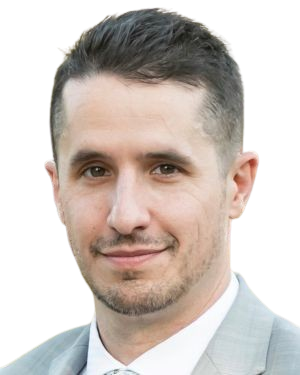
Nick SinkusHiscox USA
Q&A with Nick Sinkus, Hiscox USA
Why did Hiscox USA move to product-dedicated underwriters?
Moving MPL (miscellaneous professional liability) underwriting from a general pool to product-dedicated underwriters organized by region reflects a simple principle: specialty underwriting depends on deep product knowledge and expertise.
What do Hiscox USA’s product-dedicated underwriters mean for brokers?
Because our underwriters are dedicated to a product and a region, they know both the class of business and the broker they are working with. For brokers, the result is a counterpart who understands their business and can engage meaningfully on the risks that require more than a standard answer.
How is Hiscox USA keeping its policy wording clear?
As a specialty insurer, we aim to be clear about what we cover and help improve understanding. With that in mind, we are continuously reviewing and updating our wordings to account for new and emerging risks.
Cyber & Professional Lines Group, specialist professional liability built class by class
Key takeaway: Houston-based Tokio Marine HCC backs its specialist professional liability products with an in-house claims team made up mostly of licensed attorneys, trained to support brokers and underwriters as well as insureds, according to the company.
Figures as provided by Tokio Marine HCC in its 2026 submission and interviews. HR Pilot policy inclusion from Tokio Marine HCC's website. |
When Tokio Marine HCC – Cyber & Professional Lines Group had the chance to quote a sizeable Midwest architecture firm several years ago, the underwriter brought a senior claims attorney along to meet the account.
The firm was changing its risk management approach and personnel at the time, so the pair met with its management team and incoming risk manager, says Jill Daly, senior vice president of claims at Tokio Marine HCC.
Given the firm’s size and the nature of its work, the account will inevitably have claims, she says, and collaboration between Tokio Marine HCC’s claims department and the firm’s risk management team has helped prevent claims where possible and minimize exposure when they occur.
That pairing reflects how the Cyber & Professional Lines Group, part of Houston-based Tokio Marine HCC, trains its claims handlers to support both brokers and underwriters. Its in-house professional liability claims team is made up mostly of licensed attorneys who specialize in each product’s target classes, and accounts with multiple claims typically stay with the same handler, according to its 2026 submission. Underwriters specialize by product, and every account has an assigned underwriter.
Tokio Marine HCC’s Daly says the same directness applies to coverage decisions. “The approach is transparent, so when a claim isn’t covered, our team communicates that clearly and promptly so that the policyholder can take steps to protect its interests,” she says. The team will also refer a policyholder to counsel on request.
The group has taken its specialist approach into harder-to-place classes over the past 24 months, according to its 2026 submission.
-
Cannabis employment practices liability. The employment practices liability team opened coverage to the cannabis industry after broker feedback identified it as underserved, says Chris Murphy, senior vice president of employment practices liability. Only a handful of carriers can write the class, he says, mainly because of corporate compliance restrictions.
-
Delivery risks written like pizza delivery. Dispensaries that deliver carry higher wage-and-hour exposure, meaning claims over pay and working hours, so the team writes them the way it writes pizza delivery accounts, with lower wage-and-hour sublimits, higher wage-and-hour deductibles, and added underwriting questions about how deliveries are made, Murphy says.
-
Sexual misconduct and molestation liability for contractors. The group made this coverage, which responds to allegations of sexual abuse or misconduct, available to contractors. Its underwriters track lawsuits and claims across the industry and adjust when new laws substantially change the exposure, says Jonathan Holmes, senior vice president of professional lines.
-
AI guidance through HR Pilot. HR Pilot, the group’s risk management service for employment practices liability policyholders, has sent targeted mailings on the risks of HR departments using AI, hosted webinars on AI and deepfakes, and alerts policyholders through its Employment Law Change Report when a state passes legislation on AI and automated decision-making tools.
Murphy sees the core employment exposure as familiar ground. “From an EPL exposure perspective, the dispensaries are no different from the convenience store/tobacco shop accounts we already write,” he says.
Tokio Marine HCC’s Holmes sees sexual misconduct and molestation liability as one of the harder lines to write. “Standalone sexual abuse and molestation liability coverage is a tough segment, with a litigation landscape that has been changing rapidly over the past few years,” he says.
The group credits the longevity of its underwriters and claims professionals for its best-in-class service, according to its submission.
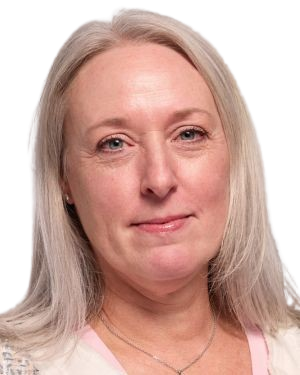
Jill DalyTokio Marine HCC – Cyber & Professional Lines Group
Q&A with Tokio Marine HCC
What does a broker see from Tokio Marine HCC when a claim arrives?
Consistency; reliability; subject matter expertise. Our claims team is tenured and specialized by line of business, so they have intimate familiarity with the specific lines of coverage applicable to each situation, long-standing relationships with outside counsel who specialize in defense of the insured’s business, and are well-versed in the claims and litigation process.
Jill Daly, senior vice president, claims
Is Tokio Marine HCC seeing AI-driven discrimination claims in employment practices liability?
To the best of my knowledge, we have not seen any claims alleging AI-driven discrimination in hiring and promotion decisions. But I am sure they are coming.
Chris Murphy, senior vice president, employment practices liability
How does Tokio Marine HCC underwrite sexual misconduct and molestation liability?
When claims happen, there is a very high risk of large settlements and judgments due to the sympathetic nature of the allegations, and that does require special attention to pricing and risk selection. We have strong underwriting expertise within our allied healthcare and social services team, which includes abuse coverage, so we have a good understanding of the risks and what organizations can do to minimize their exposure to a sexual misconduct incident.
Jonathan Holmes, senior vice president, professional lines
Key takeaway: Professional liability pricing shows early signs of firming heading into 2027, with Marsh recording a modest rise in US financial and professional lines rates in the second quarter of 2026 and most design and lawyers’ professional liability insurers planning increases, while rising AI-related claims add to the pressure on the claims desk.
|
What to watch in 2027 Early signs of firming as AI claims buildPressure in professional liability is moving toward the claims desk, and pricing is starting to reflect it.
|
Early signs point to modest increases in some classes. Capacity is still plentiful, but the pressure in professional liability is moving toward the claims desk, and pricing and capacity decisions are starting to reflect it.
-
US professional lines turn upward. Marsh’s Q2 2026 Global Insurance Market Index recorded a 1 percent rise in US financial and professional lines rates in the second quarter of 2026, after a 2 percent decline in the first, making the US the only region where those rates rose. The index measures rate change at renewal and skews toward larger accounts.
-
Design firms face increases. Eleven of the 15 design professional liability insurers surveyed in Ames & Gough’s 2026 design professional liability survey (73 percent) planned modest, largely single-digit rate increases for 2026, setting the starting point for 2027 renewals.
-
Lawyers’ insurers plan increases. A majority of the insurers in EPIC Insurance Brokers & Consultants’ 2026 lawyers professional liability survey plan to raise rates.
-
The wider market stays soft for now. Burns & Wilcox’s Q3 2026 outlook still describes most professional liability lines as stable to soft.
-
Capacity grows more selective for managing general agents. AM Best’s June 2026 report on managing general agents, which underwrite and issue policies on behalf of insurers, found carriers increasingly selective about the capacity they provide to the segment, with a stronger focus on long-term underwriting quality and loss ratio stability.
Looking further ahead, the Swiss Re Institute’s US property and casualty outlook expects premium growth across all US property and casualty lines to slow to 3 percent in 2026 before edging up to 3.5 percent in 2027, as IBA reported on Swiss Re’s forecast. It projects that industry return on equity will decline to 12 percent in 2026 and 10 percent in 2027.
AI will add to the claims load. Burns & Wilcox lists AI-driven discrimination in hiring and promotion, along with failures involving AI-supported professional services, among the emerging claims across professional and management lines, and 80 percent of the insurers in the Ames & Gough survey see AI as a potential disruptor of the professional liability market.
Specialist claims handling, pre-claim services, and clear policy wording become more valuable as claims grow costlier and slower to resolve, and the first two are already common across this year’s winners, according to the IB analysis.
Cook is a 2026 IBA Rising Star with 12 years of experience in placing professional liability and leads The Arizona Group’s technology, life sciences, and cyber liability practice, holding the Certified Cyber Risk Manager designation.
What separates the best professional liability insurance providers?
Key takeaway: The best providers take time to understand how each insured differs from the specimen policy form.
What sets them apart, Cook says, is “the ability to slow down for a moment and be curious about the operations of the insured and how they may be unique against the specimen policy form so we can craft something meaningful together.”
What is driving professional liability claims in 2026?
Key takeaway: Defense costs, not indemnity payments, drive most professional liability claims because the US litigation system remains highly active.
Most clients “are trying to do the right things,” Cook says, but “the US litigation system remains incredibly active and punitive, making defense such a valuable part of an insurance policy.”
Does a cheaper professional liability policy hold up at claim time?
Key takeaway: A significantly cheaper quote on a like-for-like product usually signals that risk is shifting back to the insured.
When one of several options costs less, “experience tells me that carrier has a high level of confidence; they are less exposed to risk sharing than the other carriers,” Cook says.
How are small professional liability accounts faring in 2026?
Key takeaway: Small firms often get standard specimen policy forms that may cover less than they or their brokers assume.
The best specimen fit “may not be as comprehensive as you might wish as the broker, or even more likely, may not be the product you think it is as the insured,” says Cook.
Which AI coverage approach gives clients the most protection?
Key takeaway: Broad technology services wording is the best approach to AI, followed by affirmative AI coverage, silent policies, and legacy software exclusions, which are the most limiting.
Silent policies are “too ambiguous for my taste,” Cook says, while the value of affirmative AI coverage is uneven because “the thoughtfulness and broadness of that language varies wildly.”
What should professional liability providers do more of?
Key takeaway: Providers should offer more affirmative coverage, even though clearer policies reduce the need for advisors like Cook.
“While I understand I am in the broader sense arguing against my own role as an advisor, I still believe affirmative coverage is the No. 1 goal,” Cook says.
The best professional liability insurance providers of 2026 are built for the claim, not just the sale. In a market where coverage is easy to buy but rising defense costs keep pushing claim severity higher, an IB analysis of this year’s 10 winners found three shared traits:
-
Support after the sale. All 10 back their clients through risk management, pre-claim support, or claims advocacy.
-
Specialist claims handling. Eight of 10 publicly describe a specialist claims team or in-house claims advocates.
-
A broad core package. All 10 write or place miscellaneous professional liability, cyber, and employment practices liability coverage.
For brokers, the lesson is that with quotes this close together, the real difference shows up at claim time. As AI exclusions spread, claims expertise and clear policy wording are likely to count for more at renewal.
Best Professional Liability Insurance Providers | 5-Star Professional Liability



- AIG
- Amwins
- Chubb
- Everest Insurance
- Nationwide
- RT Specialty
- Travelers
Insights
-
 Joseph Cook
Practice Group Leader – Technology, Life Sciences, and Cyber Liability
The Arizona Group
FAQs
What is professional liability insurance (E&O)?
Professional liability insurance, also known as errors and omissions (E&O) insurance, protects professionals and firms against claims that a mistake, oversight, or failure in their services caused a client financial harm. Policies are typically written on a claims-made basis and cover defense costs, settlements, and judgments. Many carriers offer versions tailored to specific professions, such as architects and engineers, lawyers, and accountants.
Who are the best professional liability insurance providers in 2026?
The 10 best professional liability insurance providers in Insurance Business America’s 2026 5-Star awards are AIG, Amwins, Arch Insurance, Chubb, Everest Insurance, Hiscox USA, Nationwide, RT Specialty, Tokio Marine HCC, and Travelers. Tokio Marine HCC – Cyber & Professional Lines Group, Arch Insurance, and Hiscox USA are featured in this report.
Are professional liability insurance rates rising or falling in 2026?
It depends on the segment. Global commercial insurance rates fell an average of 6 percent in the second quarter of 2026, according to Marsh, while Marsh recorded a 1 percent rise in US financial and professional lines rates in the same quarter. Small-account premiums fell an average of just 0.5 percent, according to The Council of Insurance Agents & Brokers, and 73 percent of design professional liability insurers in Ames & Gough’s 2026 survey plan modest increases.
How much does professional liability insurance cost for a small business?
Premiums vary with the profession, the limits chosen, and the firm’s claims history. Among this year’s featured winners, Hiscox USA’s miscellaneous professional liability minimum premium is $650 for $1 million per claim and $1 million in the aggregate, and Tokio Marine HCC – Cyber & Professional Lines Group reports minimum premiums that typically range from $950 to $1,650, depending on the product, according to their 2026 submissions.
What should brokers look for in a professional liability insurance provider?
Price alone is a poor guide. Joseph Cook of The Arizona Group in Mesa, Arizona, says the best providers take time to understand how each insured differs from the standard specimen policy form, and he reads a much cheaper like-for-like quote as a likely sign that risk is shifting back to the insured. Because defense costs drive most professional liability claims, he says, the strength of a provider’s claims handling matters as much as the premium.
How is artificial intelligence affecting professional liability coverage?
Insurers are narrowing AI-related protections across cyber, technology E&O, D&O, and employment practices liability, according to a June 2026 analysis by law firm Fenwick, which leaves coverage gaps no single policy fills. Most carriers still say nothing about AI in their policy language, according to a RAND report covered by IBA. AI-related claims are also rising, with seven of 13 insurers in EPIC’s 2026 lawyers professional liability survey reporting an increase.
What will shape the professional liability market over the next 12–24 months?
Rising defense costs and claim severity, AI-related claims and exclusions, and more selective capacity are the main forces to watch, with AM Best reporting that carriers are growing more selective about the capacity they provide to managing general agents. Early firming is already visible in design professional liability, where most insurers surveyed by Ames & Gough plan rate increases, and in large-company D&O and cyber, according to Burns & Wilcox’s Q3 2026 outlook. Looking further ahead, Swiss Re Institute expects US property and casualty premium growth to edge up to 3.5 percent in 2027.
Methodology
To identify the best professional liability insurers for 2026, Insurance Business America tapped into its extensive broker and reader community. The research team gathered insights through multiple survey channels across its nationwide audience, inviting brokers to vote on the professional liability insurers they believe deliver the strongest value in today’s market.
Insurers that received notable broker support were invited to participate further in the process, including the opportunity to submit a detailed entry outlining the strengths of their professional liability policies and products. These submissions provided insight into coverage features, product performance, claims support, underwriting expertise, and how their solutions help brokers and clients manage risk.
Combining broker feedback with any information provided through insurer participation, IBA evaluated each entry and identified the top performers. Winners were ultimately selected based primarily on overall broker support, with additional consideration given to demonstrated excellence in product quality, claims handling, underwriting expertise, and broker relationships.
View the 2025 report here.