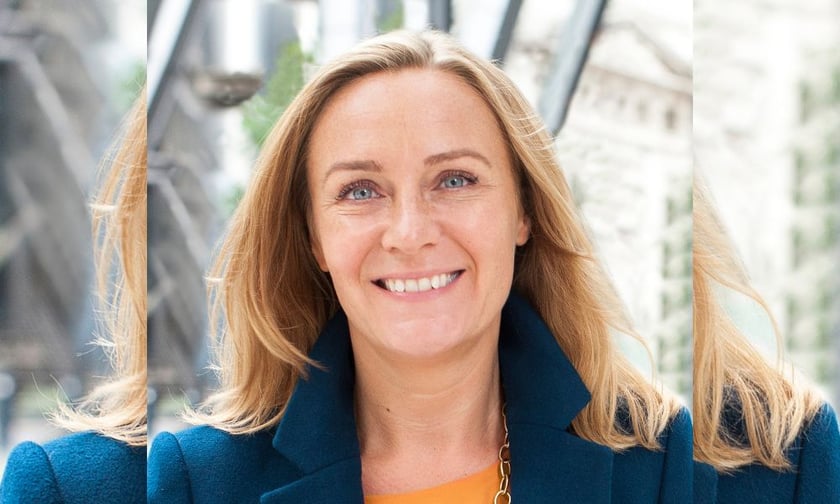
Katherine Bryant (pictured) has worked across broking, underwriting, and operations since entering the London market as a teenager. Today, she is CEO of The Progress Partnership, a consulting firm focused on culture and leadership in insurance, and she sees clearly what keeps people in, and what drives them out.
"Pay and perks get people in the door, but culture is what makes them stay or leave," she said.
Bryant, former COO at Aon’s global power specialty, understands the technical and human sides of the sector. Her firm now advises brokers and underwriters on commercial performance and leadership culture. Her view: culture directly shapes everyday experience, more than annual bonuses ever could.
"You get a bonus once a year, but your daily experience - whether you're respected, heard, challenged - that’s what keeps you engaged," she said. "If people are happy in the culture, they’re less likely to take headhunter calls."
Toxic or stagnant environments, she added, often outweigh pay when it comes to exits. And firms that fail to recognise this are losing talent to more culturally competent competitors.
Bryant identifies three cultural missteps common across insurance organisations:
First, the lack of difficult conversations. "Good people want challenge and feedback. If they’re never stretched or told what could improve, they disengage."
Second, promoting technical experts without supporting them as people leaders. "We overvalue technical skill and undervalue leadership. If managers don’t know how to grow their teams, talent gets frustrated."
Third, unclear career pathways. "High performers often see a ceiling. Especially for women or underrepresented groups, not seeing role models or lateral growth options leads to exits."
Firms that address these gaps, she argued, create an environment where talent can grow without leaving.
Visible leadership is vital, Bryant said, because "culture is caught, not taught."
"People copy what leaders do, not what they say," she said. "It’s not about the town hall speech. It’s how leaders handle pressure, mistakes, promotions - that’s what defines culture."
Inconsistencies between leadership messages and actions erode trust, particularly when middle management isn’t aligned. Firms must ensure that inclusion and respect are not just spoken about but demonstrated daily.
Bryant believes flexibility will define future successful retention strategies, not just remote work, but flexible roles, learning, and internal movement.
"People want more than job security. They want growth, purpose, and the autonomy to shape their path," she said. "That means shadowing, cross-functional projects, and regular feedback, not just once-a-year appraisals."
And while hybrid working isn’t a cure-all, Bryant argues that understanding individuals is key. "It’s not about one-size-fits-all. Some thrive at home, some in the office. Great leadership means asking, ‘How do we get the best out of you?’"
Ultimately, Bryant sees culture not as an HR issue, but a business imperative. "If culture isn’t part of your strategy, you’ll lose your edge. It’s that simple."