
Insurance is no longer a slow-moving sector where experience alone guarantees relevance. The industry now sits in constant motion, shaped by rapid technological adoption, shifting capital structures and heightened regulatory scrutiny. And, for professionals working inside this environment, “keeping up” with trends only means it’s easier to fall behind.
It’s against this backdrop that the Insurance Management Program at Columbia University has evolved its purpose. The program - the only program of its kind in the Ivy League - is a 16-month, part-time, fully online master's degree consisting of 10 required courses across four consecutive semesters, culminating in an Applied Research Project.
Speaking to Insurance Business, Columbia alumnus and current VP of Underwriting at HTM, Warren Ting explained that this program goes far beyond just practical knowledge, emphasizing the value it places on community and personal relationships with both professors and peers.
“I enrolled in 2022 and I completed the program in 2024. At the time, this program wasn’t well known in Canada - I reside in Toronto - but what drew me to it was that desire for something more than just ‘academic’. I wanted practical knowledge. It really helped me broaden my horizons and gain more network opportunities, as well as meet people from all over the world.”
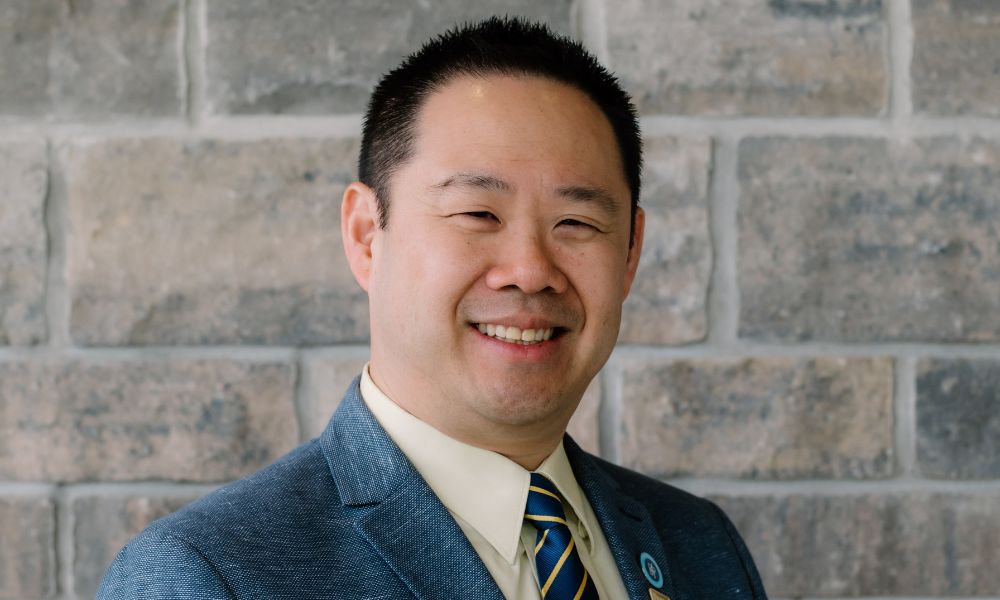 Warren Ting, current VP of Underwriting at HTM
The program's 10-course curriculum spans underwriting, claims, operations, AI and data, finance, risk management and emerging risks - with coursework specifically designed around problem-based, real-world scenarios rather than theoretical frameworks.
At its heart, this program is not designed as a traditional online academic experience where students are stuck behind computers never interacting with each other. Instead, it operates as an industry-facing ecosystem - one that puts students in the spotlight as it convenes practitioners, investors, regulators, technologists and policymakers to actively shape the future of insurance and its leadership.
“At the end of the day, you end up being part of this extended family and sounding board,” added Ting. “There might be some sensitive issues which you really can't mention in your own workplace, but you know that if you reached out to your Columbia cohort, there's no repercussions on that. They can give you some honest opinions because they have no skin in the game.”
For many mid-career professionals, the challenge is not capability but visibility. They possess deep experience and the desire to influence changes that will improve and advance the industry, yet lack platforms to demonstrate strategic thinking beyond their immediate organizations. The Columbia community is designed to close that gap. And for Ting, it wasn’t just peer-to-peer relationships that developed across the program, it was the remarkable face-to-face time with industry leaders that set this program apart from the rest.
“For me, the most important aspect was building personal relationships with all the professors who are also working in the industry,” he told IB. “Some are retired, some are still currently in the industry - all of them can give you great insights into what's going on in the market right now. We had a guest lecturer who was the managing director of an Insurtech company and we had another lecturer who was head of insurance for New York State. It’s amazing to glean insights from these people who you would never have the opportunity to speak to otherwise.”
That’s the real benefit of the program's scholar-practitioner faculty, which collectively brings more than 300 years of industry experience, supplemented by a Corporate Advisory Network of more than 150 insurance leaders who contribute mentorship, insight and real-world perspective.
Aside from industry connections, what really sets this program apart is its deliberate embrace of diverse experiences and backgrounds across the whole sector - elevating the performance of entry-level as well as seasoned professionals who represent generational differences in opinion that enhance the learning experience. In addition, interactions with a variety of professional associations build allyships and partnerships, championing people of all genders, ages and ethnicities both on the program as students and among esteemed leaders invited to speak.
Speaking to IB, Natina Berry President of the National African American Insurance Association (NAAIA) New York Tri-State Chapter, agreed that this program goes beyond just education and plays a real role in serving the community and embracing diversity too.
“I first heard about Columbia’s Insurance Management Program through Teresa Chan, the program’s director. Teresa is an active partner at our careers fairs, she participates in various NAAIA panels and loves to speak to our members about any upcoming opportunities – such as Columbia’s Insurance Program. And, when our New York Tri-State Chapter of NAAIA was awarded a Spencer Educational Foundation grant, Chan travelled miles to talk to students at Hope Ignite New York at the Bishop Loughlin School - in Brooklyn - on what future careers in insurance could look like.”
 Natina Berry President of the National African American Insurance Association (NAAIA) New York Tri-State Chapter
As Berry told IB, she’s seen the rewards of this program first-hand through the testimonials of alumni. In fact, Berry spoke of one NAAIA member who was debating where she could take her career next - looking for something not only practical but also deeply rewarding and empowering too. And what she found with Columbia’s program was just that.
As part of the program students showcase their end-of-program presentations to a panel of industry experts, something Berry called ‘the American Idol of the insurance world’.
“The program really is phenomenal,” added Berry. “And the presentations are always so inspiring.”
Not only does this program help more seasoned insurance professionals reach the next level in their career, it’s also intrinsic to the sector’s talent pipelines - something which is in dire need of assistance. According to research from Patra, the US insurance sector is projected to lose around 400,000 workers by 2026, with 50% of current insurance personnel expected to retire within the next 15 years.
What’s more, according to Bureau of Labor Statistics data, 1.37 million insurance professionals are aged 55 or older - nearly one in four workers - while only 214,000 are between 20 and 24. That's a 6-to-1 ratio of retirement-age employees to young entrants - and it’s a situation Columbia’s program is committed to improving through experience and knowledge transfer.
One of these newer graduates of Columbia’s program is Zachary Eekhof, now an account executive at Aon and having previously worked at Sompo. As he told IB, this program was a core stepping stone in his early career, citing its prestigious position as one of the only courses like this in an Ivy League school.
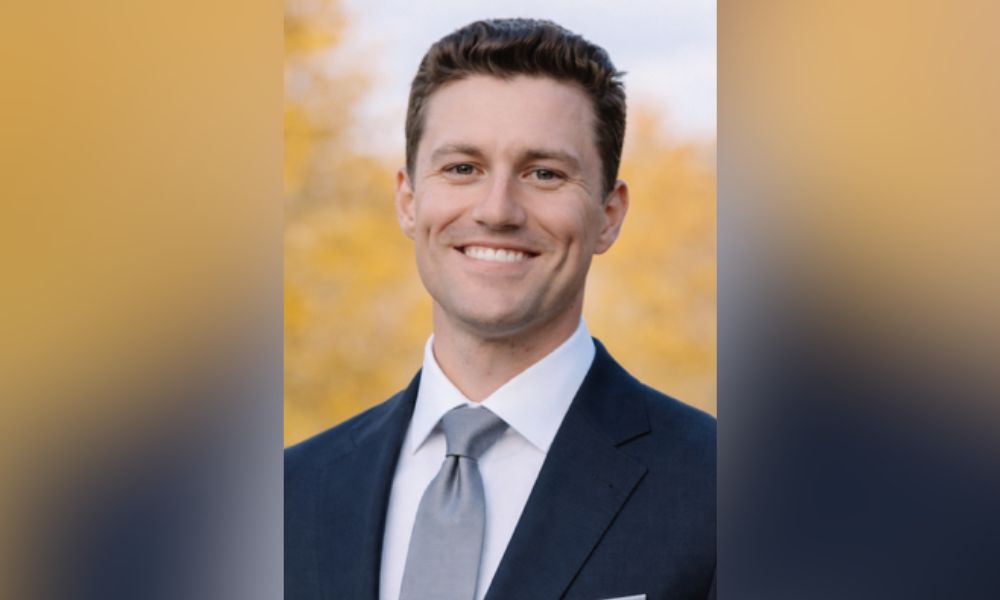 Zachary Eekhof, account executive at Aon
“When I was initially determining whether or not I wanted to attend, the program catalogue had all the different pieces in the right place. The master’s will give you a more holistic view of the insurance industry, which can be kind of nebulous. Because the sector is so vast, there are so many different lines, like professional liability or personal lines – ones which don't really cross over all that much. With this degree, you study underwriting, claims, operations, AI, data - all the many things that go into insurance.”
While all the students on the program are at different places in their career journey, they all leave with one thing in common - a sense of community and camaraderie that stays with them.
“I still talk to some of the people I went to school with regularly,” added Eekhof. “One friend, Chris, actually referred me to my previous job at Sompo. So really it was this program that helped me get my foot in the door. This really is for everyone - from early professionals who aren’t sure which avenue of insurance to go down, to people who’ve been doing claims for a decade and want to pivot into something else. For instance, on my program we had a guy who was working for the YMCA - he had no prior experience in insurance – and now he has a fantastic job in professional liability lines.”
And for program director Teresa Chan, this isn’t just a professional calling, it’s a true labour of love.
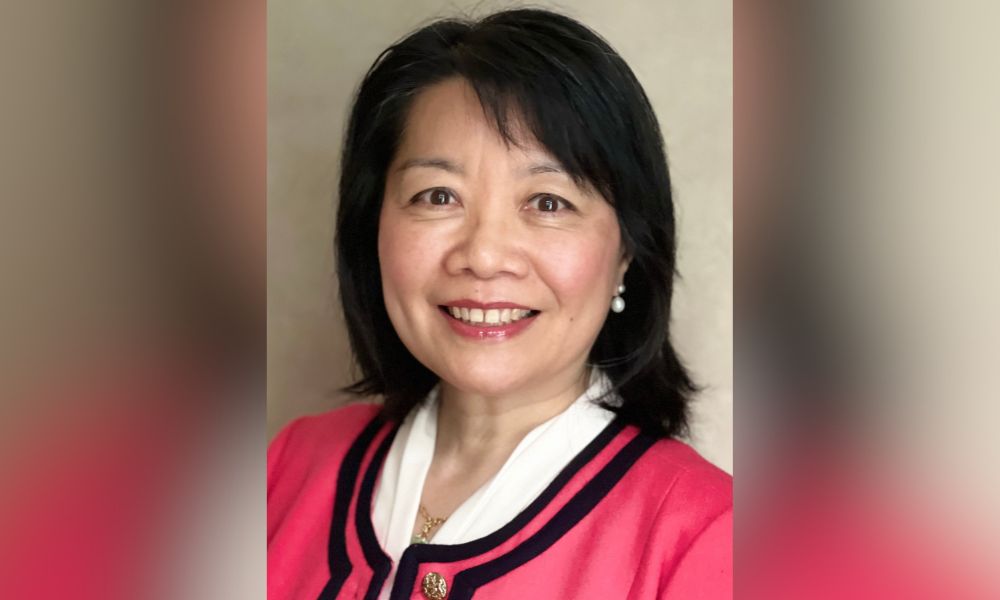 Teresa Chan, Program Director at Insurance Management Program at Columbia University
“We have confirmed that by providing the appropriate forum, insurance professionals reveal an untapped aptitude to deliver advanced problem-solving, creativity and innovation,” Chan told IB. “Meanwhile, they possess the skills and motivation to execute on their ideas in an evolving industry. In tandem, these attributes are exactly what the insurance industry needs to serve the market with needed products and services.”
Ready to take your insurance career to the next level? Applications for Columbia's Master of Professional Studies in Insurance Management open for fall entry only - visit Columbia University’s page to learn more.
This article was created in partnership with Columbia University