Businesses using artificial intelligence should review their insurance programs now, as insurers increasingly add AI exclusions and introduce dedicated AI cover, according to broker Bruce Gendelman Insurance.
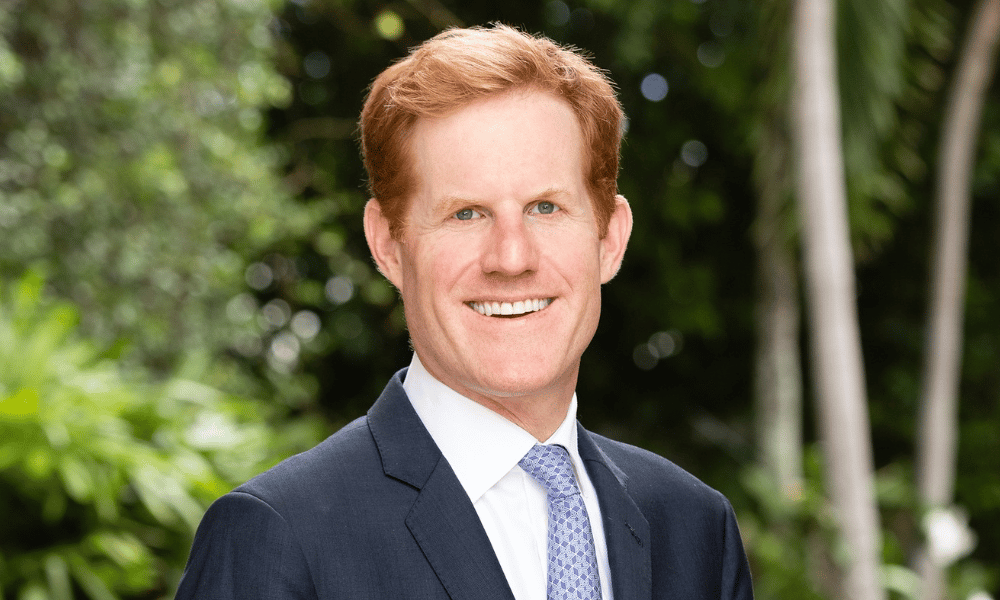
“Most business owners I speak with are focused on what AI can do for their company, not whether their insurance will respond if something goes wrong,” said Joe Gendelman, the firm’s president and chief executive.
The warning reflects a shift in policy wording that is already under way. In January, Verisk’s ISO made three optional generative AI exclusion endorsements available for commercial general liability policies, according to the Big “I”.
CG 40 47 excludes bodily injury, property damage, and personal and advertising injury arising out of generative AI. CG 40 48 applies the exclusion to personal and advertising injury only. CG 35 08 does the same for products and completed operations cover. The forms define generative AI as a machine-based learning system trained on data that can create content or responses, including text, images, audio, video or code.
Gendelman said individual insurers have also introduced their own AI exclusions, while specialist AI liability products are coming to market. Some carriers are affirmatively extending cover for certain AI exposures, so the treatment of AI differs significantly from policy to policy.
AI-related incidents could trigger several types of policy depending on the circumstances, including general liability, errors and omissions, cyber and management liability. Examples include a chatbot giving customers incorrect information, an AI-drafted contract containing errors, or AI-generated marketing that infringes someone’s rights.
The firm recommends businesses start by mapping where they use AI. That includes whether it is used in customer communications, contracts, financial information or professional advice, whether staff rely on AI output to make decisions or deliver services, and what human review happens before AI-generated material is used.
Gendelman compared the situation to the early days of cyber insurance, which most businesses didn’t treat as a separate exposure 20 years ago but which is now central to many insurance programs. He said AI could follow a similar path, but much faster.
For brokers, the ISO endorsements mean AI exposure is no longer an abstract question. Because the forms are optional, the same client could have an AI exclusion on its general liability policy with one carrier and no exclusion with another. Brokers need to read the endorsement schedule at every renewal rather than assume the standard wording applies.
The broader risk is uncovered gaps. If a general liability policy excludes generative AI, brokers need to confirm whether the client’s E&O or cyber policy picks up the exposure, or whether it falls between policies. Professional services firms that use AI to produce client work are particularly exposed, as are businesses whose marketing relies on AI-generated content.
Documenting how clients use AI, and the human checks in place, is likely to become part of the underwriting conversation. Clients that can show controls will be better placed to negotiate cover rather than accept a blanket exclusion.