The habits that helped build the MGA sector may not be the ones that carry it through the next phase of the market. New products, specialist underwriting and ready access to capacity helped the market expand rapidly, even as market conditions evolved.
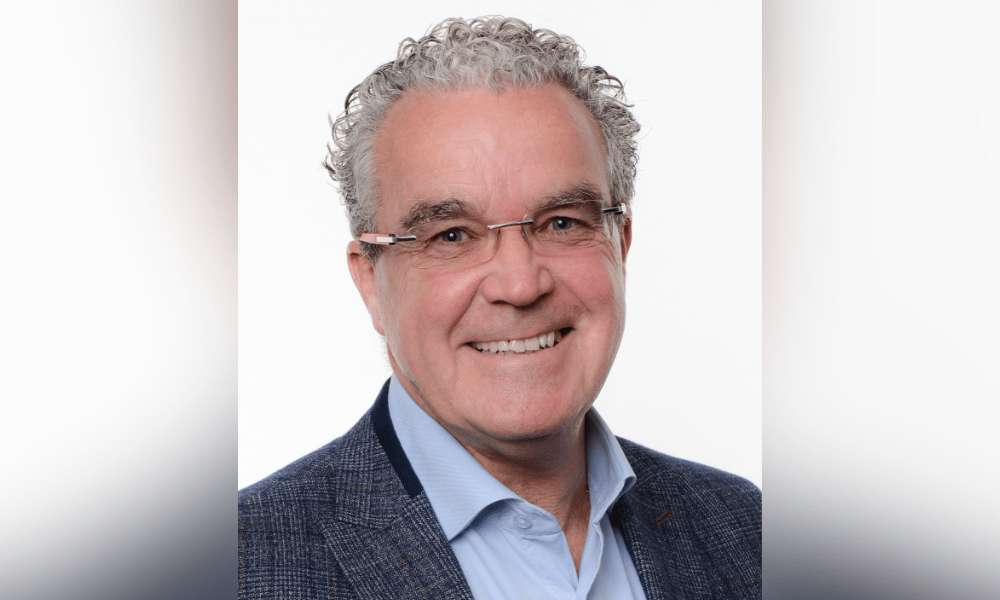
Now, Michael Keating (pictured) believes the industry is entering a different phase, and that the approach which fuelled the market's rise may not be the one that defines what comes next.
Speaking ahead of the MGAA Annual Conference 2026, the association's chief executive said softer market conditions are placing a greater premium on underwriting discipline than aggressive expansion. Falling rates increase competition, but they also compress margins at a time when claims costs remain elevated, leaving firms with less room for error.
"What MGAs cannot do is look to grow too quickly in a softening market," he told Insurance Business. "If rates are falling, margins are squeezed and there's less premium. Claims costs don't necessarily reduce at the same time, so profitability comes under pressure."
That message underpins this year's conference, themed Specialty Insurance: Designed to Succeed, which takes place on July 7 at the Business Design Centre in London and is expected to draw more than 1,200 professionals from across the UK and Republic of Ireland. For Keating, success is becoming less about headline growth and more about building businesses capable of performing throughout the insurance cycle.
That shift is already changing the relationship between MGAs and their capacity providers. Where due diligence once flowed largely in one direction, with insurers assessing MGAs, he said the process has become far more balanced as MGAs increasingly scrutinise the carriers backing them.
"Now MGAs do as much due diligence on the capital, just as the capital quite rightly does on the MGA," he said.
Cultural fit has become a much greater consideration, with firms increasingly looking beyond financial strength to assess whether partnerships would hold up through more difficult market conditions.
The same discipline should apply across the business. Firms looking for sustainable competitive advantage should focus on the parts of the business that clients and brokers actually experience. As pricing becomes more competitive and products harder to distinguish, claims handling becomes a far more meaningful point of differentiation.
"We should ban any reference to claims as being back office," he said. "It is our shop window."
Some organisations are already combining underwriting and claims teams into a single function, something Keating describes as "way overdue". The claims discussions at this year's conference are intended to encourage firms to consider whether their own operating models are keeping pace with a changing market.
Artificial intelligence is another area where discipline matters more than enthusiasm. The MGAA has spent the past year running AI webinars and masterclasses, delivered by experts, for its members, but the conversations have focused less on technology itself than on implementation. Firms risk investing heavily before they have established a clear business case or assessed whether their underlying data is fit for purpose.
"Before you cut a cheque for anything, you have to have a real business plan of what you're expecting that AI to do," he said.
Rather than revisiting the capabilities of AI, this year's conference panel will examine what happens after the investment decision has been made. A recruitment specialist will join the discussion to explore how firms are retraining employees, what new skills they are seeking and how leaders can introduce AI without damaging culture.
"If I'm going to bring in AI, what have I done with my staff? Am I bringing my staff with me?" Keating said. "The impact on staff, culture, harmony and retraining perhaps isn't at the forefront as much as it should be."
It is a more uncomfortable question than many AI discussions allow for. For MGAs already operating on tighter margins, getting that answer wrong could prove expensive.
Keating's message is not that the MGA growth story is over, but that the conditions for success are changing. The MGAs best placed for the next phase of the market will be those that use today's softer cycle to strengthen partnerships, sharpen operations and invest selectively, ready to accelerate when conditions improve.