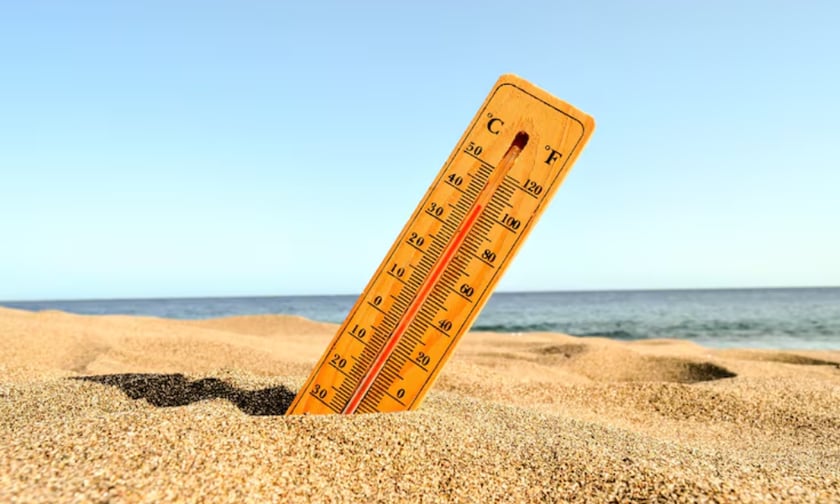
A third UK heatwave in 2026, combined with central England's longest dry spell since June 1996, is reviving concerns among property insurers about a repeat subsidence surge - just a year after payouts hit a record £307 million. Bournemouth has recorded 14 consecutive days above its 26°C heatwave threshold per Met Office data, while Friday marked the 13th consecutive day above 30°C nationally, the longest such run since 2006. The Met Office has said UK heatwaves are becoming more frequent, longer-lasting and more intense, a trend now shaping how insurers price and underwrite property risk.
The specific concern is not the heatwave in isolation but its position in a sequence. Steven Coxon, head of subsidence at Claims Consortium Group, has identified three surge events since 2018 - in 2018, 2022 and 2025 - and noted that ground conditions in early 2026 remained damaged from the previous year's weather, pointing to a similar picture developing again. Subsidence payouts reached £307 million in 2025 following the UK's hottest summer on record, after a 2022 heatwave had already driven a £219 million payout year per ABI figures. Three surge years in eight years is not a pattern that allows insurers to treat subsidence as an episodic rather than a structural risk - and Coxon has warned that repeated surge years could push insurers toward a different underwriting philosophy for properties in subsidence-risk areas altogether. Tighter acceptance criteria, higher subsidence excesses and natural peril exclusions in higher-risk postcodes are already in evidence as the market begins to price for recurrence rather than exception.
Clay-rich soils common across much of England shrink as they dry out, cracking foundations, walls and driveways. Alison Williams, managing director at Prestige Underwriting, said prolonged heat and drought were becoming a growing concern particularly within the non-standard property market, where older or specialist-material homes are more vulnerable to structural movement, with repair inflation and restoration complexity compounding claims costs for heritage properties. Ecclesiastical Insurance has flagged the combined subsidence and wildfire exposure building across drought-affected regions, noting some areas have seen their driest start to a year since 1976 - a factor insurers are weighing alongside subsidence when assessing rural and semi-rural property risk this renewal season.
The dry spell is compounding pressure on UK farm insurers. The NFU has warned members to prepare for drought conditions extending into 2026 after the Environment Agency flagged that a dry winter could worsen an already stretched water position, with reduced grass growth and lower yields for crops such as onions and potatoes already features of 2025's dry conditions - and knock-on effects for farm cashflow that rural insurers including NFU Mutual are factoring into renewal conversations this year.
The dry conditions extend the exposure beyond farmland. The Met Office and fire services have raised wildfire risk to high or very high across parts of England and Wales during this year's heatwaves, warning that hot dry conditions mean it takes very little to start a fire that can spread quickly across parkland and moorland.
The operational question is no longer whether repeated heat events will affect claims but how quickly capacity - particularly for loss adjusting and subsidence monitoring - can absorb another surge year without the delays seen in 2022 and 2025. With soil moisture deficits already elevated, underwriting appetite in affected postcodes, both urban and rural, is likely to stay under pressure well into autumn. Brokers advising clients in clay-soil regions or agricultural areas have a narrowing window to review excess structures and natural peril exclusions before the next renewal cycle rather than waiting for a claim to surface the gap.