
Commercial auto insurers are facing a growing paradox: accident frequency has been declining for years, yet litigation continues to rise.
Research from the Insurance Research Council (IRC) and the Insurance Information Institute (Triple-I) suggests that the traditional relationship between crashes, claims, and lawsuits has broken down. While motor vehicle claim frequency generally fell between 1994 and 2008 and remained relatively stable through 2014, federal court motor vehicle tort filings have climbed sharply over the past decade even as accidents and claims continued to decline.
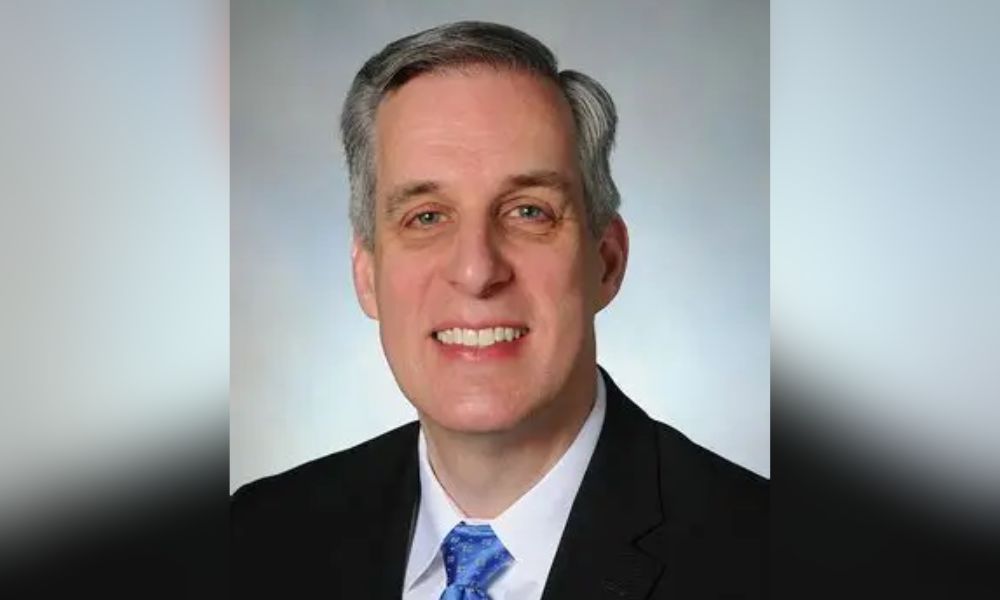
According to Dale Porfilio (pictured below), head of personal and commercial lines business development for WTW Insurance Consulting & Technology North America, the explanation lies in what the firm describes as legal system abuse.
“Legal system abuse… (we) define as ‘policyholder or plaintiff attorney practices that increase costs and time to settle insurance claims to the detriment of consumers,’” Porfilio said.
Attorney advertising and aggressive legal tactics are two key drivers behind the increase in litigation, said WTW. While litigation financing has received significant attention in recent years, Porfilio noted that it plays a larger role in general liability and mass tort cases than in motor vehicle lawsuits.
As lawsuits increase, claims become more expensive to resolve, reserve uncertainty grows, and carriers face mounting pressure to identify litigation-driven claims earlier in the process.
The IRC and Triple-I research also appears to indicate that attorney representation has fundamentally altered how claims evolve. “The types of providers they see, the sequence of treatment, and the duration all differ from unrepresented claimants with comparable injuries,” Porfilio explained.
Attorney-represented claimants tend to undergo more medical procedures, diagnostic testing, and provider visits. In some studies, represented claimants were seven times more likely to receive an MRI. They also typically experience longer settlement timelines, increasing claim duration and associated costs.
As a result, insurers can no longer treat attorney involvement simply as an indicator of claim complexity. “Attorney involvement is not just a flag for complexity, it's a driver of behavior that changes nearly every dimension of how a claim develops,” Porfilio said.
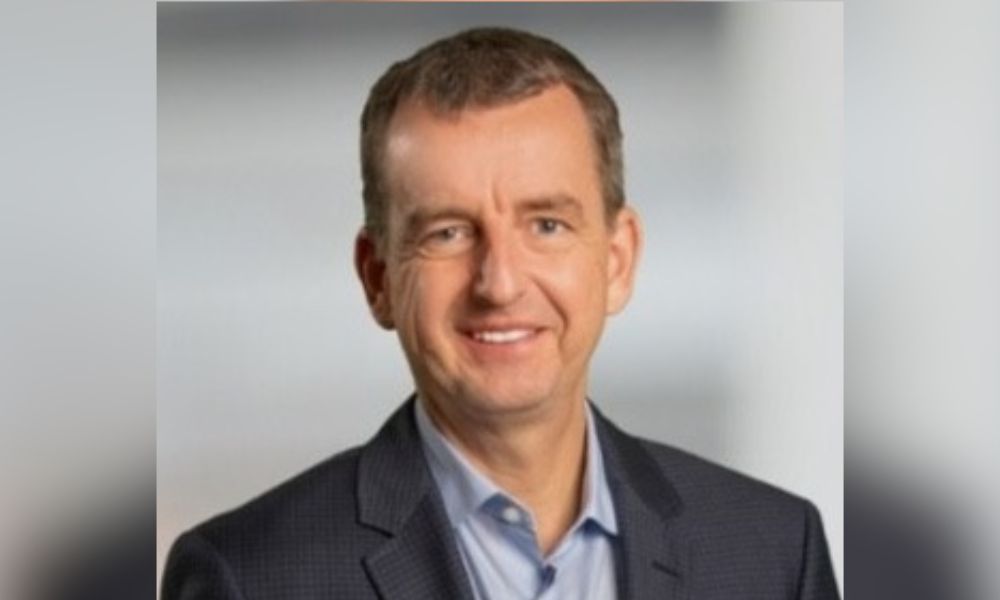
The litigation environment is also changing how insureds think about fleet safety, according to Matt Scheuing (pictured below), CEO of SambaSafety. According to SambaSafety's research, approximately 75% of brokers and 90% of insurers now identify nuclear verdicts as a major profitability threat.
“What used to be single-digit million-dollar verdicts have rapidly become $10 million, $20 million, and $30 million verdicts and beyond,” Scheuing told Insurance Business. “There's also an entire litigation-financing industry supporting that ecosystem.”
The good news is that commercial fleets are increasingly aware of the need for robust fleet safety in mitigating litigation risk. But Scheuing was quick to flag that the industry’s problem is no longer a lack of information, but rather, an abundance of risk data that often goes unused.
“The real challenge is identifying the predictive safety indicators in that sea of data,” he said. “The organizations that succeed work with their technology providers to identify the leading indicators. We know what those are: distraction, speeding, and following too closely.”
Telematics data can also prove to be a double-edged sword. Scheuing noted that plaintiffs' attorneys are increasingly scrutinizing telematics records, safety policies, and compliance practices during litigation.
“If you track safety data but fail to act on it, you've effectively handed a plaintiff's attorney evidence to use against you,” he warned, adding that consistent coaching, documentation, enforcement of safety policies and corrective action are becoming just as important as telematics.
“You can never eliminate liability entirely, but you can improve your odds,” Scheuing said. “Show that you identified problems, intervened, provided training, and took corrective action.”