Consolidation across the media industry is reducing production volumes and insurance premiums, pushing entertainment brokers to seek growth in sports, live events and other businesses outside traditional film and television.
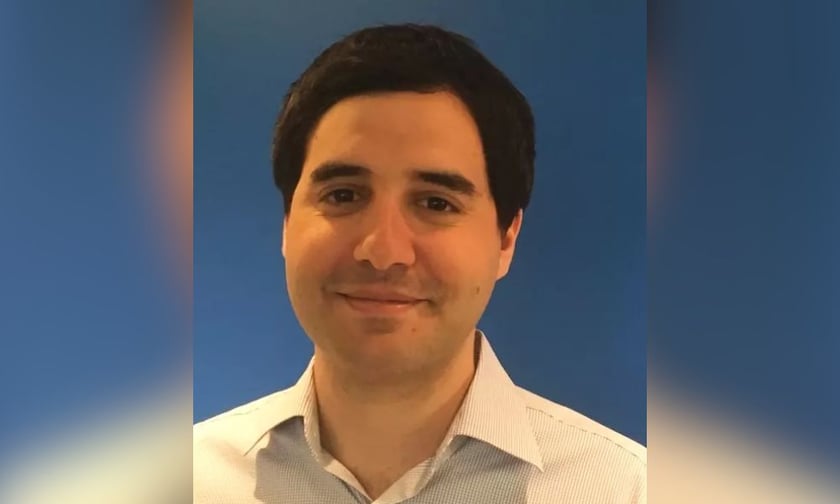
John Galanis (pictured), senior vice president at Albert G. Rubin, the sports and entertainment division of Relation Insurance Services, said the potential impact of major media combinations extends beyond job losses and changes in content strategy.
"The number of productions they were producing went down (after the Disney-Fox merger)," Galanis said. "There's a concern that this will happen again, which means less premium for insurance companies. When big companies consolidate, there is perhaps less business for brokers in this space."
The concerns are playing out against one of the biggest waves of media dealmaking in years. Paramount Skydance's roughly $111 billion acquisition of Warner Bros. Discovery followed a months-long bidding war with Netflix. WBD shareholders approved the deal in April, and the Department of Justice cleared it without requiring any divestitures in June.
A coalition of attorneys general from 12 states sued in July to block the merger, and a federal judge issued a 14-day pause on the deal closing. European and UK regulators were still reviewing the transaction as of late July.
Meanwhile, broadcast group Nexstar closed its $6.2 billion acquisition of rival Tegna in March after the FCC waived the long-standing cap limiting a single owner's station reach to 39% of US households. That deal also remains under legal challenge from state attorneys general and DirecTV, and a court injunction has halted integration activities pending the outcome.
Consolidation is reaching beyond studios and broadcasters, too. Other large recent deals include Charter Communications' $34.5 billion purchase of Cox's cable and media assets and a roughly $55 billion take-private of Electronic Arts.
Film and television projects generate demand for production packages covering cast, equipment, props, sets, extra expense and general liability, alongside media E&O, cyber and other specialized policies. When two large media businesses combine, the resulting company may reduce overlapping projects and centralize insurance buying.
The pressure is contributing to a broader shift in how specialist entertainment brokers build their books. Galanis said firms are increasingly pursuing areas less directly exposed to studio consolidation, including professional and amateur sports, concerts, festivals and other live events.
"What we're seeing… is a pivot towards other types of entertainment that aren't necessarily being affected by these mega-mergers and consolidations," he said.
"Think about live events, sports or anything non-content-related. Brokers in our space are trying to pivot or write more of that type of business to protect themselves from these mergers and acquisitions."
The diversification also comes as entertainment companies continue to scrutinize spending. Production budgets for films, television programs and commercials have fallen considerably, according to Galanis, while digital content has become a greater priority.
But the rise of digital platforms and independent creators hasn't produced an equivalent stream of new large insurance opportunities; much of the current activity reflects established media groups searching for revenue while cutting costs. "It's more about tightening their belts in terms of their budgets, what they're spending, where they're spending it and how they're spending it," Galanis said.
Streaming economics are also driving consolidation. According to Galanis, the continued difficulty of making streaming businesses profitable has pushed companies toward mergers.
"One of the things you're seeing with these mergers and consolidations is that one of the main drivers is the fact that the streaming business is still a challenge," he said. "Cord-cutting has reduced revenues for a lot of these companies. That has led to a lot of this consolidation."
Artificial intelligence may yet add another layer of pressure by letting productions lower costs and reduce the need for expensive location shoots. AI could help filmmakers recreate locations without transporting casts, crews and equipment, potentially removing some physical production exposures, Galanis noted.
At the same time, insurers remain cautious about copyright, likeness and voice-related claims; some carriers have begun introducing AI exclusions under media E&O and, in certain cases, cyber policies, though Galanis said the practice isn't yet widespread.
Galanis expects further media transactions to emerge as companies continue searching for scale and new revenue sources. "There are other deals that have been rumoured, so I think it's going to continue, unfortunately," he said.