More than 20 states have now passed laws requiring disclosure of third-party litigation funding (TPLF), according to a new issues brief from the Insurance Information Institute (Triple-I). Attention is now turning to federal courts.
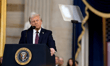
“Litigation funding has operated in the shadows for too long,” said Sean Kevelighan (pictured), Triple-I’s chief executive.
North Carolina has taken the toughest approach so far. Its HB 315 bans litigation investment outright and allows civil penalties of up to $50,000 per violation. Triple-I said it was the first state to do so.
Other states passed laws this year that require funders to register or disclose their involvement, restrict funding from foreign entities, or limit funders’ control over litigation. These include Ohio (HB 105), Mississippi (SB 2747), Tennessee (HB 2108) and Utah (HB 280).
At the federal level, the Litigation Funding Transparency Act was introduced in Congress in February but has not advanced.
The courts may move faster. In March, the US Chamber Institute for Legal Reform and Lawyers for Civil Justice asked the Federal Civil Rules Advisory Committee to adopt a uniform disclosure standard. More than 200 major US companies, including dozens of insurers, supported the request, which may be considered at the committee’s October 21 meeting.
The Western District of Louisiana introduced a standing order on litigation funding disclosure in September, but most federal judges still decide the issue case by case.
Triple-I links litigation funding to rising liability costs. A Triple-I and Casualty Actuarial Society analysis estimated that legal system abuse trends, including litigation funding, added $231.6 billion to $281.2 billion to liability insurance losses over the past decade.
Large verdicts are also rising. Awards over $10 million reached a record $25.6 billion across 190 cases in 2025, according to Marathon Strategies. Swiss Re estimates the global litigation funding market at about $17 billion, with annual investment projected to reach $31 billion by 2028.
Triple-I pointed to Florida as evidence that legal reform can lower costs. Since the state’s 2022 and 2023 reforms, property insurance rate changes have averaged −1.7% through June 30, 2026, and 51 of its 67 counties saw average premium decreases in the first half of the year. Homeowners insurers’ defense costs fell from 8.4% of premium in 2022 to 1.9% in 2025. Florida has not yet passed legislation on litigation funding.
“Transparency in litigation funding is the logical next step,” Kevelighan said.
For brokers placing commercial auto, general liability and umbrella cover, litigation funding is one of the factors behind persistent rate pressure in those lines. Triple-I and Milliman’s latest forecast expects general liability and commercial auto to remain unprofitable this year.
Disclosure rules won’t lower premiums quickly. But they could help defendants and their insurers assess and settle cases more accurately. Over time, that could reduce the uncertainty that drives reserve increases and pricing in liability lines.
The gap between states matters for multistate clients. A company facing litigation in a state with disclosure rules is in a different position from one sued where funding remains hidden. That difference is likely to show up increasingly in how underwriters assess exposure by jurisdiction.