What happened: PepsiCo alleges its insurers refused to defend it in San Francisco's ultra-processed food lawsuit despite covering similar individual claims
Who's involved: PepsiCo (plaintiff) and four defendant insurers including ACE American Insurance Company
What's at stake: Defense costs and potential indemnity across multiple layers of liability, umbrella, and excess policies
Why it matters: The coverage question could shape how insurers respond to a growing wave of ultra-processed food product claims
Where it stands: Complaint filed October 23, 2026; removed to federal court November 5, 2026
PepsiCo's insurer agreed to cover lawsuits claiming the company's snack foods made people sick. Then San Francisco filed the same claims on behalf of an entire city - and the insurer said no.
Now PepsiCo is suing.
The food and beverage giant filed a complaint on October 23, 2026, in New York Supreme Court against ACE American Insurance Company, ACE Property and Casualty Insurance Company, Westchester Surplus Lines Insurance Company, and Vigilant Insurance Company. According to the filing, the insurers breached their policies by refusing to defend PepsiCo in the underlying ultra-processed food lawsuit brought by the San Francisco City Attorney.
The case was removed to the US District Court for the Southern District of New York on November 5, 2026.
At the center of PepsiCo's complaint is a contradiction the company says its primary insurer cannot explain.
According to the filing, ACE American agreed in June 2025 to help defend an individual consumer lawsuit - Bryce Martinez v. Kraft Heinz Company, Inc., et al. - in which the plaintiff alleged that ultra-processed foods caused Type 2 diabetes and other diseases. ACE American agreed while reserving the right to raise other coverage defenses later.
Eleven days after denying coverage for the San Francisco case, ACE American agreed to do the same thing for five more individual lawsuits making nearly identical allegations, the complaint states.
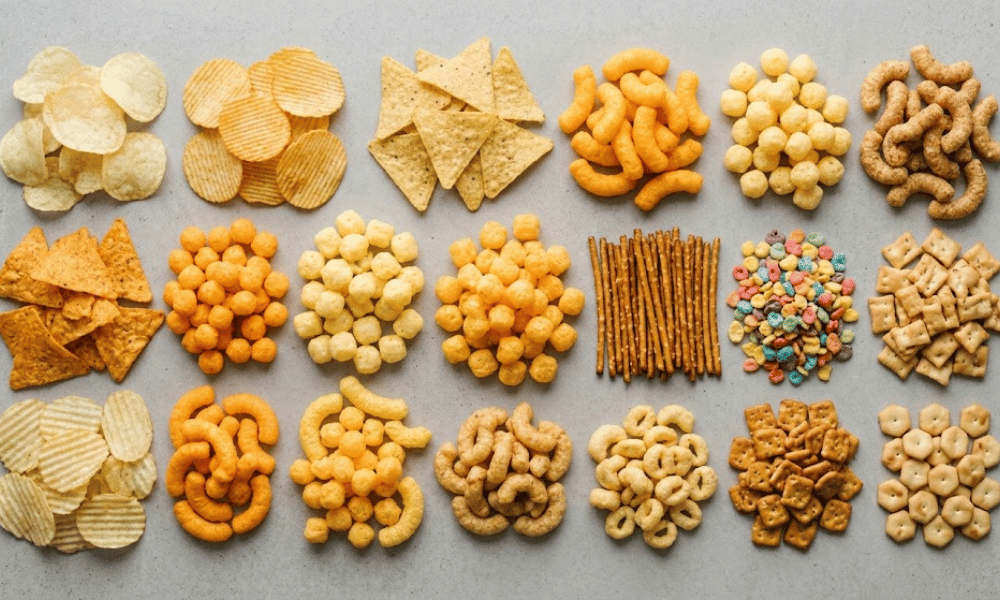
The underlying San Francisco action, filed in December 2025, names PepsiCo alongside Kraft Heinz, Coca-Cola, General Mills, Nestlé, and six other major food manufacturers. It alleges that the defendants' products - including brands such as Cheetos, Doritos, Lay's, Gatorade, and Mountain Dew - are ultra-processed, addictive, and have caused San Francisco residents to develop "obesity, diabetes, heart disease, cancers, and other life-changing chronic illnesses," according to the underlying complaint.
PepsiCo's filing argues the difference between the individual lawsuits and the city's action is form, not substance. The underlying action "rests on the same alleged conduct and seeks relief for the same kinds of alleged diseases, aggregated across the City's residents," the complaint states.
The coverage dispute comes down to what the policies mean when they promise to pay "damages because of bodily injury."
PepsiCo alleges the insurers denied coverage in a May 1, 2026, letter on the sole basis that the San Francisco lawsuit "does not seek to recover damages to compensate for or because of 'bodily injury' sustained by any person" and instead seeks only the city's own economic losses. PepsiCo's complaint points out that the words "compensate for" do not appear anywhere in the relevant coverage sections of any of the policies at issue.
The complaint argues the city's claimed costs - including spending on public hospitals, emergency medical services, community health clinics, Medicaid contributions, employee health insurance, healthcare in correctional facilities, and disease-prevention programs - fall squarely within the policies' promise to cover damages arising from bodily injury. Many of the policies state that "damages because of 'bodily injury' include damages claimed by any person or organization for care . . . resulting at any time from the 'bodily injury,'" the complaint alleges.
PepsiCo purchased multiple layers of coverage from the defendants: primary liability policies from ACE American, umbrella policies from ACE American or ACE P&C depending on the year, and excess policies from ACE P&C, Westchester, and Vigilant. The primary policies include a duty-to-defend provision requiring ACE American to step in when a lawsuit even potentially falls within coverage, the complaint states.
PepsiCo is asking the court to confirm that its insurers are required to defend it and, ultimately, to cover any liability arising from the San Francisco lawsuit. It also seeks damages for breach of contract, including defense costs PepsiCo alleges it has been forced to pay on its own since coverage was denied.
The insurers, for their part, stated in the notice of removal that they "deny they have breached any obligation to Pepsi and deny Pepsi is entitled to any of the relief requested."
The case lands as ultra-processed food litigation picks up pace across the US, with individual consumer suits and now government-backed actions testing whether standard liability insurance programs will respond to this new category of product claim.
The allegations in the complaint have not been tested, and no court has ruled on the merits.