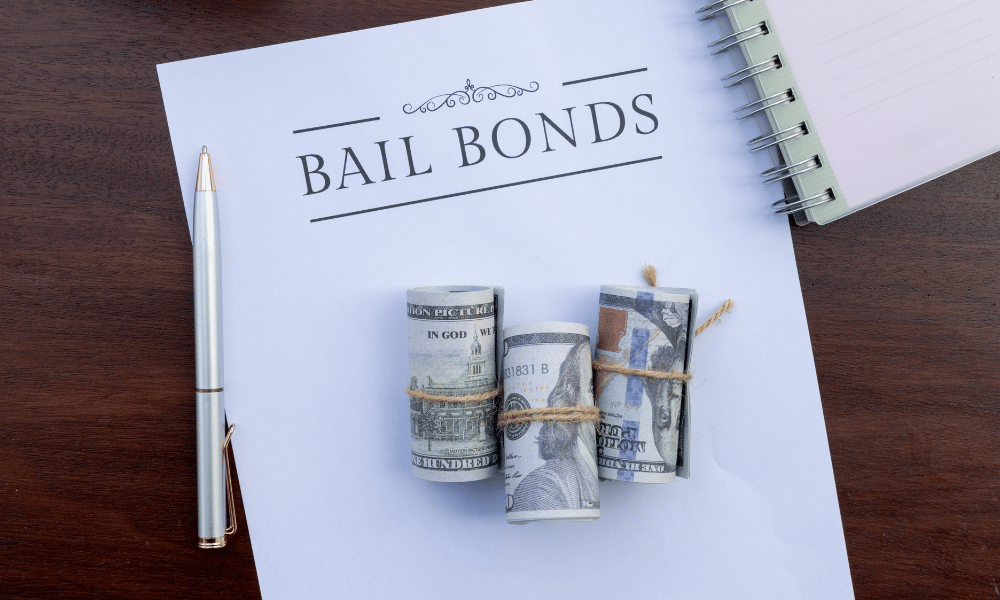
What happened: California appeals court affirmed a $90,000 bail bond judgment, ruling the statute does not require a separate civil case.
Who’s involved: North River Insurance Company and Bad Boys Bail Bonds as surety and agent.
What’s at stake: $90,000 plus costs and interest.
Why it matters: Sureties cannot void forfeiture judgments by arguing they were entered in the wrong type of case.
Where it stands: Published opinion; rehearing denied November 2, 2026.
A $90,000 bail bond survived a legal challenge no California court had faced - the answer turned on what the Legislature chose not to say.
The North River Insurance Company, acting through agent Bad Boys Bail Bonds, posted the bond in January 2024 for a criminal defendant facing felony firearms charges in Stanislaus County. The defendant failed to show for arraignment. The court declared the bond forfeited.
From there, the clock started ticking. The bail agent won extra time to produce the defendant, pushing the deadline to April 2025. He was never surrendered. Eighty-nine days after that deadline passed, the clerk entered judgment against the surety for $90,000 plus costs and interest - in the criminal case.
That was the problem, according to the surety.
North River moved to set aside the judgment, arguing Penal Code section 1306 requires the judgment to be entered in a brand-new civil case, not tacked onto the criminal matter. The trial court denied the motion. The judge said no surety had ever made this argument.
The California Court of Appeal, Fifth Appellate District, affirmed in a published opinion on October 9, 2026, modified November 2, 2026. The court walked through the statute’s five express requirements for entering judgment on a forfeited bond and found all five met. The judgment must be entered by “the court which has declared the forfeiture,” against each bondsman, in the bond amount. What the statute does not say is where.
That silence was decisive. When a statute spells out specific requirements and leaves something out, the omission is presumed intentional. The surety pointed to cases from other counties where judgments happened to be entered in civil cases. None of those decisions had actually ruled a civil case was required.
In a November 2 modification, the panel rejected the argument that the 90-day window for entering judgment works like a filing deadline a party can waive or let slide. It does not. The 90-day period is automatic - if the court misses it, the bond is exonerated and the money goes back.
Trial courts now have clear appellate authority to enter bail bond judgments in either the criminal case or a new civil case. For sureties banking on a procedural technicality to escape a forfeiture, this ruling narrows the options considerably.
The legal arguments described above are drawn from court filings and a published appellate decision. The ruling is subject to further review.