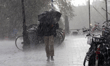
Toronto's September 2 storm, now widely described as the city's "100-year storm," dropped roughly 110 millimetres of rain within hours, flooding the Don Valley Parkway and cutting power to 65,000 Toronto Hydro customers at its peak.
Emergency services fielded more than 1,000 calls to clear flooded basements. The storm capped a costly Ontario season: a separate wave of thunderstorms between June 30 and July 3 caused $439 million in insured damage according to CatIQ's revised estimate, with Ottawa recording 118 millimetres of rain on Canada Day alone and more than 4,500 flooded basements, according to a report from Toronto Sun.
A separate $466 million figure sometimes attributed to this summer's Ottawa storm actually belongs to a different event. It's the final, fifth-revision estimate for a late March 2025 Ontario-Quebec ice storm, released by IBC and CatIQ in March 2026, ranking as the sixth costliest severe weather event in Ontario's history.
Hard urban surfaces, roads, parking lots, roofs, shed water rather than absorb it, overwhelming stormwater systems built for a different climate.
IBC spokesperson Rob de Pruis has said plainly that "standard home insurance does not automatically include overland flood or sewer backup coverage. These coverages are optional and have to be added on at an additional cost."
A basement flood without that coverage can mean tens of thousands of dollars in uninsured remediation costs.
Several municipal green infrastructure programs now tie financial incentives directly to the same overland flood risk that drives claims, the report said.
Ottawa's rebate program offers up to $5,000 in flood-prone neighbourhoods for rain garden installation, permeable pavement and soakaway pits, and Hamilton, Guelph and Thunder Bay run comparable programs.
Toronto's own Green Infrastructure Incentive Program launches next year, offering up to $500 toward professional design of a rain garden or permeable surface.
None of these programs are underwritten by insurers, but they reduce the same risk that determines whether a homeowner's overland flood endorsement gets triggered, and in some cases whether it's offered at an affordable rate at all.
Brokers advising clients in flood-prone Ontario neighbourhoods, particularly Ottawa and Toronto given this summer's pattern, have two separate points to raise: confirming whether a client carries overland flood and sewer backup coverage, since it remains optional and often capped, and flagging available municipal mitigation rebates as a way to reduce the underlying risk a policy is priced against.
A client using a $5,000 rain garden rebate in Ottawa isn't just protecting their basement; they may also improve their standing with an insurer weighing flood mitigation at renewal in a high-risk postal code.