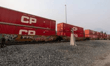
People and businesses affected by the 2021 wildfire that destroyed Lytton, BC, have until December 18 to opt out of a certified class action against Canadian National and Canadian Pacific railways.
Insurers that paid out claims for the fire face the same deadline.
Class counsel CFM Lawyers and Slater Vecchio issued an update on October 19, almost a year after the BC Supreme Court certified the action in December 2025. The suit alleges that CN, CP or both caused the June 30, 2021 fire, which killed two people and destroyed most of the village during a record heat wave.
The class covers anyone who claims to have suffered loss, damage or injury from the fire within the area mapped by the BC Wildfire Service on August 19, 2021. That includes damage to homes, buildings and personal property, physical or psychological injury, out-of-pocket expenses, and the death of a spouse, parent or child on the day of the fire. Class members are included automatically.
A trial on whether CN or CP caused or contributed to the fire is scheduled to begin on May 31, 2027. The case is currently in document exchange and examinations of railway representatives.
The opt-out process directly affects insurers. Anyone opting out must disclose any insurance indemnification they received, and insurers that opt out must provide the name and contact details of the insured. Those who opt out give up any compensation through the class action but keep the right to sue CN and CP themselves.
For property insurers that paid Lytton claims, that’s a strategic choice. Insurers usually have subrogation rights to recover what they paid from a party found responsible for a loss. Staying in the class means relying on class counsel and sharing in any recovery. Opting out means bringing their own action, with the costs and control that come with it.
There’s precedent for insurers going it alone in Canadian rail disasters. After the 2013 Lac-Mégantic derailment, groups of subrogated insurers filed their own actions against Canadian Pacific in Quebec Superior Court, alongside a separate class action. Those actions were later consolidated, CPKC’s latest annual report shows.
When the class was certified, a subclass was also created for people whose property losses weren’t covered by insurance. That reflects a significant uninsured or underinsured population in the area.
The railways have not been found responsible. In certifying the class, Justice Ward Branch found there was “some basis in fact” for the allegation that railway operations caused the fire. That’s a low bar at the certification stage and not a finding of liability.
The Transportation Safety Board said in October 2021 that its investigation had not found any link between railway operations and the fire. In September 2024, the RCMP said its criminal investigation had not determined the cause. CN said after certification that it was disappointed with the decision and was considering its options.
Three local First Nations, Lytton First Nation, Siska and Cook’s Ferry, have brought their own legal actions and are not part of the class.
For brokers with clients affected by the Lytton fire, the deadline is worth flagging. Clients who had uninsured losses, such as deductibles, coverage gaps or losses above policy limits, are likely class members and may want legal advice before December 18 on whether to stay in.
Commercial clients and their insurers should also make sure they’ve coordinated, since an insurer’s subrogation strategy may affect the client’s recovery of uninsured amounts.