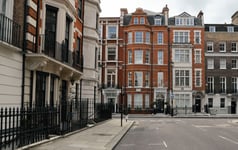
Buildings insurance covers the physical structure of a property, including the walls, roof, floors, windows and permanent fixtures. It pays out if the structure gets damaged by events such as fire, flooding, storms or subsidence.
Most mortgage lenders in the UK require buildings insurance as a condition of the loan. Homeowners without a mortgage still need it, though, because repair or rebuild costs can run into tens of thousands of pounds. This glossary page explains the basics of buildings insurance in the UK, along with key news and issues affecting this type of cover.
Buildings insurance in the UK protects the physical structure of a property against damage or loss. This type of insurance covers the walls, roof, floors, ceilings, windows and permanent fixtures such as fitted kitchens and bathrooms.
No, buildings insurance is not a legal requirement in the UK. There is no law that forces homeowners to have it. However, most mortgage lenders make it a condition of any home loan, so most homeowners with a mortgage will usually need it in practice.
For homeowners who made an outright purchase, the decision is personal. If your client chooses to forgo cover, they should understand that this is a serious financial risk. Without it, repair or rebuild costs fall entirely on the owner.
Buildings insurance covers the structure of a property from the ground up. Here is a breakdown of what a standard UK policy typically includes and excludes, along with optional extras worth knowing about:
A standard policy covers the cost of repairing or rebuilding the physical structure of a home. This includes walls, roofs, floors, ceilings, doors, windows and permanent fixtures such as fitted kitchens and bathrooms. Most policies also cover outbuildings such as garages and garden walls, though this can vary depending on the insurer.
Loss or damage caused by the following events is generally covered:
If the home becomes uninhabitable while repairs are under way, most policies include alternative accommodation costs. This cover protects policyholders from having to pay for temporary housing out of pocket.
Wear and tear is excluded from all standard buildings insurance policies. General maintenance, gradual deterioration, and pre-existing damage are the homeowner's responsibility. Policies also do not cover damage caused by poor workmanship or structural issues that existed before the policy started.
Optional cover goes beyond the standard policy. Policyholders can add the following to a buildings policy, including:
Buildings insurance in the UK is not a single one-size-fits-all product. The type of policy a homeowner needs depends on the property, how it is used and who owns it. Here are the different types:
This is the most common type. It covers owner-occupied homes built from standard materials such as brick, stone and tile. Most high street insurers and comparison sites offer this type of policy. It protects against fire, flooding, storms, subsidence, vandalism and escape of water, among other events.
Properties built from unusual materials like timber frames, thatched roofs, concrete panels or steel frames need specialist cover. Standard insurers often decline these properties or charge higher premiums because repair costs and risks differ from a typical brick-built home. Non-standard construction insurance is typically available through specialist brokers.
If you have clients considering purchasing a home built with non-standard materials, check the market first. Recently, many insurers have been raising premiums for non-standard construction insurance.
Grade I, Grade II*, and Grade II listed buildings in England and Wales carry strict repair obligations under the Planning (Listed Buildings and Conservation Areas) Act 1990. If a listed property is damaged, repairs must match the original materials and craftsmanship.
Standard policies rarely cover this level of restoration. Specialist listed buildings insurance accounts for the higher cost of like-for-like restoration work.
Buy-to-let landlords need a dedicated landlord policy rather than a standard homeowner policy. Landlord buildings insurance covers the structure of a rented property. It often includes additional protection such as loss of rent if the property becomes uninhabitable and liability cover if a tenant or visitor is injured on the premises.
Flat owners who hold a leasehold rather than a freehold do not always need to arrange their own buildings insurance. In most cases, the freeholder or managing agent arranges a block policy that covers the entire building. Service charges passed to leaseholders typically include a contribution to this cost. Leaseholders should check their lease to confirm who holds responsibility.
Standard policies usually limit the period a property can sit empty (usually 30 to 60 days) before cover is restricted or withdrawn. Unoccupied property insurance fills that gap for homes that are vacant for longer periods, such as during probate, renovation or a prolonged sale process.
Those building a new home from scratch need self-build insurance rather than a standard policy. This covers the structure during construction and typically includes public liability, employer's liability if contractors are on site and protection for building materials stored on the property.
New builds have a shorter claims history, which means insurers assess risk differently compared to older properties. Buildings insurance for a new build still covers the structure against the same risks as a standard policy. The sum insured should reflect the full rebuild cost of the property rather than its market value, as these two figures often differ on newer homes.
Related: Share this guide to your clients to help them avoid underinsuring a new home. As new technologies develop, new categories of buildings insurance emerge, including specialist cover for smart homes.
These insurance products are often used interchangeably, but they are not the same.
Buildings insurance is tied to the property itself, not what is inside it. It covers anything that would stay behind if the homeowner moved out, including the structure, the fittings and the fabric of the building. Possessions, furniture and personal belongings fall outside its scope entirely.
Home insurance is a combined policy. It includes buildings cover and contents cover under one policy. In short, buildings insurance is a component of home insurance, not a separate alternative to it.
Buildings insurance covers the structure. Home insurance covers the structure and everything inside it.
A homeowner who holds only a buildings policy is not covered for loss or damage to their belongings.
Several factors determine what a homeowner pays for buildings insurance in the UK. Keep in mind that insurers can assess risk differently, so two similar properties on the same street can carry very different premiums. The factors that can influence premiums include:
Where a property sits is one of the biggest pricing factors. Homes in areas with high flood risk, a history of subsidence or elevated crime rates attract higher premiums. Insurers use postcode-level data to assess these risks before quoting.
Buildings insurance is priced against the rebuild cost of a property, not its market value. The rebuild cost is what it would cost to demolish and reconstruct the property from scratch, including labour and materials. Underestimating this figure can leave a homeowner underinsured when they need to make a claim.
Standard brick-built homes with tiled roofs are cheaper to insure than properties with non-standard construction. Thatched roofs, timber frames and older building materials cost more to repair or replace, and insurers price this in.
Older properties tend to carry more risk of issues such as subsidence, outdated wiring or ageing pipework. Insurers factor the age and general condition of a property into the premium calculation.
A homeowner with a history of previous claims is likely to pay more than one with a clean record. Insurers treat past claims as an indicator of future risk.
Properties with approved door and window locks, burglar alarms and monitored security systems are generally cheaper to insure. Better security reduces the likelihood of a claim from theft or forced entry.
The excess is the amount a policyholder agrees to pay towards any claim before the insurer covers the rest. Choosing a higher voluntary excess typically reduces the annual premium, though it increases the out-of-pocket cost at the point of a claim.
Adding extras such as accidental damage cover, home emergency cover or legal expenses cover increases the overall premium. Each add-on carries its own additional cost, which varies between insurers.
Whether a property is owner-occupied, rented out or left empty affects the price. Unoccupied properties and rental homes are considered higher risk and are priced accordingly.
Finding the right buildings insurance is not simply about picking the cheapest option. Here is a straightforward step-by-step guide for UK brokers:
The sum insured should reflect what it would cost to fully rebuild the property from scratch, not its market value. These two figures are often very different. Using the wrong number risks being underinsured at the point of a claim. The Association of British Insurers (ABI) provides a free rebuild cost calculator you can use to help homeowners get this right.
Types of cover range from a basic buildings-only policy to a fully combined buildings and contents insurance policy. Homeowners who want to cover both the structure and their belongings under one product should opt for a combined policy. The right choice will vary depending on personal circumstances, property type and budget.
Shopping around is one of the most effective ways to find a competitive price. Getting an insurance quote from at least three providers gives a clearer picture of what the market offers. Comparison sites are a useful starting point, though going directly to an insurer sometimes produces a better price.
Not all policies offer the same level of protection. Before committing, it is worth checking exactly what each policy covers and what it does not. Pay close attention to the excess, exclusions and any limits on individual payouts.
Obtaining buildings insurance when buying a house is often arranged in a hurry to meet mortgage deadlines. This can mean optional extras get overlooked. Accidental damage cover, home emergency cover and legal expenses cover are worth considering at this stage rather than after a problem arises.
A competitive premium means little if the insurer is difficult to deal with when a claim is needed. Reading independent reviews and checking home insurance claims satisfaction ratings gives a clearer picture of how an insurer performs.
A good way to check insurers' claims and customer service performance is to go to the Financial Conduct Authority (FCA), which publishes data on complaints by insurer.
For those buying a combined policy, calculating the cost of replacing all home contents at today's prices is worth doing carefully. Adding up the realistic replacement cost of furniture, appliances, and personal belongings helps avoid being underinsured on the contents side. Recommend additional contents cover, such as fine art insurance, where necessary.
Buildings insurance is not a set-and-forget product. Premiums and personal circumstances change over time. Reviewing the policy at each renewal and shopping around again keeps costs in check and makes sure the level of cover still fits the property.