Insurance Premium Tax raised £2.172 billion between April and June 2026, £2 million more than the same quarter of 2025/26, according to HMRC data published this week. The figures land days after Andy Burnham was appointed prime minister on July 20, 2026, following Keir Starmer's resignation - and the political timing matters as much as the revenue figure. IPT has grown too consistently and too visibly for its structure to stay out of a new government's fiscal review, and the premium conditions of early 2026 have made that visibility sharper than at any point in the current rate cycle.
The Association of British Insurers' Motor Insurance Premium Tracker showed the average price paid for private motor insurance holding broadly flat at £560 in Q1 2026, £20 lower than the same period in 2025. IPT receipts kept climbing over the same period. When premiums are rising, IPT rises with them and the tax is absorbed into the general sense of cost inflation. When premiums stabilise, IPT becomes a more visible and proportionately larger component of the policyholder's bill - and a more politically exposed revenue line. That is where the market now sits. The standard IPT rate has more than doubled since October 2015, from 5% to its current 12%, adding close to £100 annually to a typical combined motor and home insurance bill per ABI analysis. Households holding multiple policies including private medical cover can face cumulative IPT burdens running into several hundred pounds a year.
June alone contributed £52 million, up £11 million on June 2025. The quarter builds on a record 2025/26 financial year in which IPT brought in £9.04 billion, £157 million more than the £8.88 billion raised the previous year.
Two distinct reform arguments are now better positioned than they were under the previous administration. Broadstone's Cara Spinks has proposed a targeted IPT cut on private medical insurance and health cash plans, arguing it could ease NHS pressure by supporting faster access to treatment. The Office for Budget Responsibility's Spring Statement forecast puts expected IPT revenue at £57.8 billion between 2025/26 and 2030/31 - a £500 million upgrade on the Autumn Budget projection - with health-related insurance products flagged as a key growth driver. An OBR forecast that identifies health cover as driving IPT growth is an argument, not just a data point, for exactly the targeted relief Spinks is proposing.
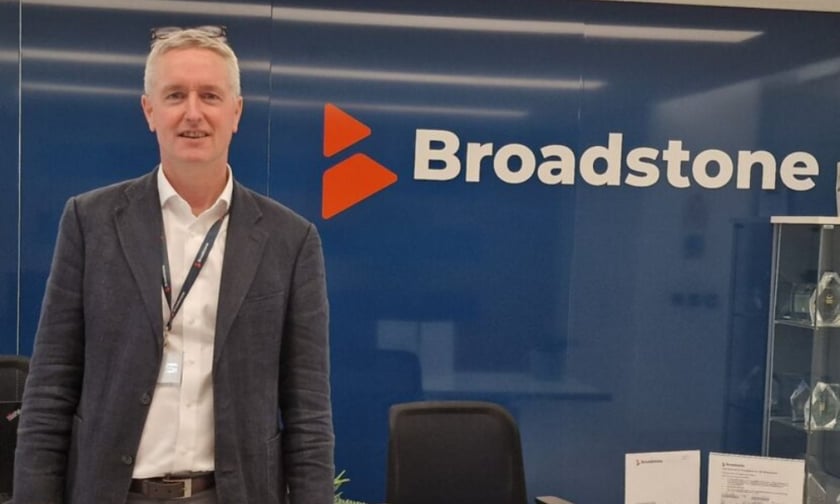
Cormac Bradley, senior actuarial director at Broadstone, said the tax's scale as a government revenue source was becoming harder to ignore but argued against treating it purely as a revenue line. "Insurance is not simply a tax base - it is a vital safety net for households and businesses, helping them manage uncertainty and protect against unexpected costs," he said. As the Burnham government considers measures to support growth and reduce pressure on household finances, he said, insurance affordability should form part of that conversation.
As motor and home premiums level off, IPT becomes a more visible and proportionately larger part of customers' bills, complicating renewal conversations about affordability and strengthening the case for clearer disclosure of the tax component within quotes. Whether the incoming administration takes up Spinks' targeted health cover argument or Bradley's broader affordability point remains to be seen. What the Q1 data confirms is that IPT has reached a scale - for the Treasury and for policyholders - that makes its structure a live fiscal policy question rather than a settled one.