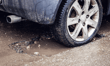
An AI-generated image of a gold-and-diamond watch, submitted as evidence in a claim. A damaged car with a number plate changed and repositioned to support a duplicate claim. Admiral shared both examples with BBC Wales, alongside a 71% rise in detected fraud in 2025 that it partly attributes to AI.
Cases like these put two questions to insurers: whether a piece of evidence was made using AI, and whether it is authentic. Ruth Needham, partner at Kennedys, described them as “two distinctly differing elements”.
Needham said AI can produce a document or image without any reference to the claim, either to make a claim in the first place or to make one look genuine. The result “will not be authentic” because it has to have been manipulated in some way, which raises the question of why that was necessary if the claim is genuine.
That matters because insurance covers specific, defined claims. Once the evidence supporting a claim has been created, “credibility for the individual relying on that evidence comes into question”, and the whole claim needs far more scrutiny because documents are being created to suit it.
Numerous companies can scan documents to check whether they have been manipulated by AI, Needham said, and they provide detailed reports setting out how they reached that conclusion. The courts have so far been willing to accept those reports.
Where a forensic report confirms that documents are AI-generated, the right response depends on the circumstances, but the insurer has to ask the insured whether they used AI and why, and whether they have the original documents.
Chris Braniff, managing director at Cyber Assured, said the broker’s role at that point is to keep the dialogue between client and insurer transparent and constructive. He would work with the client to establish where the material came from, gather supporting documents and make sure requests for more information are answered promptly. That can mean helping the client provide access to original files, explaining how a document was created, or offering other evidence that corroborates the circumstances of the claim.
On what brokers should tell clients to keep when they make a claim, Needham’s guidance is procedural. “It is critical that the metadata is retained and not manipulated,” she said, and any device holding relevant documents or images should be kept until the case is concluded. “Original documents will have the strongest evidential weight and should be maintained throughout the lifecycle of the claim,” she added.
Sarah Durkin, director of investigation services at Woodgate & Clark, said online AI-detection tools are improving but still return a likelihood rather than a definitive answer, and her team’s document forensic expert examines the metadata in documents, photographs and videos to establish when they were produced.
Copies can lose the data that proves them. Durkin said WhatsApp and Facebook strip metadata from images, so investigators have to go back to the source and ask for the original photographs. On an original, that data can show who created or changed a file and, in some cases, where it was taken. A photograph said to show a property in one city, with data placing it in another, would raise an obvious question.
Braniff gives clients the same advice, extending it to emails, system logs and any device that may hold relevant information. Even where nothing is being concealed, he said, being unable to produce the source material makes it harder for insurers, loss adjusters or forensic specialists to verify the facts, and a claim can be delayed while more is requested.
Braniff said Cyber Assured has not seen a claim slowed or challenged over the authenticity of evidence, though it sits on the firm’s risk register. From a broker’s perspective, “the vast majority of clients are acting in good faith”, he said, and where questions arise the focus is on establishing how reliable the evidence is rather than assuming wrongdoing. He expects verification to become more sophisticated, with greater emphasis on preserving original records and keeping clear chains of evidence.