As employer healthcare costs approach a breaking point, open enrollment season means some of the most difficult client conversations in years - and the window to prepare for 2027 is closing fast.
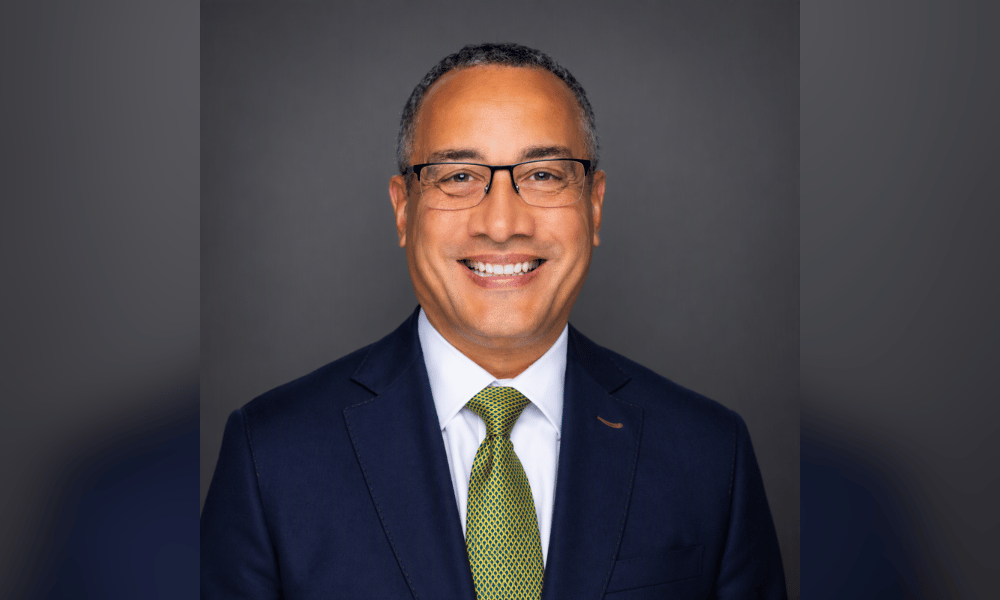
In an interview with Insurance Business Benefits US as part of a series of perspectives during open enrollment season, Ted Jordan, Managing Vice President and General Manager of Paychex Insurance Agency in Rochester, New York, highlighted the sustained pace of healthcare cost increases that is forcing brokers and employers alike to confront uncomfortable questions about what group benefits will look like in the years ahead.
"You look at that and you say, that's not sustainable," Jordan said. "What's going to be the tipping point or the breaking point if we haven't already gotten there?"
The numbers back up his concern. Employer healthcare costs are projected to rise 9.5 percent in 2027 - the fourth consecutive year of near-double-digit increases - pushing average spending above $19,000 per employee, according to research from Aon published by the Society for Human Resource Management (SHRM) in August 2026. The Business Group on Health projects that from 2018 through 2027, cumulative healthcare costs will have risen 76 percent - more than double the rate of general inflation over the same period.
For small and mid-sized employers - the sub-100 segment that makes up Paychex's core market - the pressure is especially acute. Jordan pointed to an IBB reporting that underscores the stress building across the market: 85 percent of employers are currently considering increasing employee contributions to their benefits plans.
"All that stuff kind of goes together with what do you offer, what's going to add value, what's going to give you the employee retention stickiness that benefits traditionally give," Jordan said. "How do you find a sustainable path?"
Jordan sees the affordability crisis as a moment that separates brokers who have maintained year-round client relationships from those who have not.
Brokers who deferred the hard conversations earlier in the year are now arriving at open enrollment without the runway to implement meaningful solutions. Those who stayed close to their clients throughout 2026 are in a stronger position, but the work is far from over.
Jordan says that education is key, specifically, ensuring that employers understand the full spectrum of funding alternatives available to them before cost pressures force a reactive decision.
"Just making sure that you have the opportunity to educate - while one of those decisions and one of those paths may or may not be the right decision right now, how do you start making people more familiar with what some of those options are," he said.
Those options span a range that many small employers have yet to fully explore including fully insured plans, level-funded arrangements, professional employer organizations (PEOs), and individual coverage health reimbursement arrangements (ICHRAs).
READ MORE: Could ICHRA platforms quietly cut out benefits brokers?
On the question of ICHRAs specifically - a funding model that has drawn growing attention as a potential cost-management tool - Jordan is measured but supportive. He views it as a viable path for the right employer, not a blanket solution, and stresses that the guardrails matter as much as the product itself.
"It just can't be something that you do like a drop and run," he said. "You have to make sure you provide the right level of support and care throughout that model."
Underlying Jordan's view on cost management is a broader shift he sees underway in the broker-client relationship. The annual renewal cycle, he argues, is no longer sufficient. Brokers who can transition from transactional support to a year-round advisory model - using data to anticipate employer needs rather than simply responding to them - will be better positioned to navigate the volatility ahead.
Paychex leverages integrated payroll, human resources, and insurance data to identify early warning signs and reach out to clients proactively. It is a model Jordan believes the wider industry needs to move toward, particularly as healthcare costs continue to reshape how US employers approach group health insurance design and funding.
"We have a lot of intel and a lot of information as to what's going on with your business," Jordan said. "How can we leverage that to be proactive in making sure that we're reaching out at the right time and in the right way?"
For now, with open enrollment in full swing and 2027 planning underway, that proactive posture may be the clearest differentiator between the brokers who emerge from this season with stronger client relationships and those who do not.