As insurance buyers grapple with an evolving risk landscape and rising premiums, the real test of trust between insureds and intermediaries has evolved beyond the binding of a policy. For many brokers, the most decisive moment in the client relationship is when a claim is denied, reduced, or delayed.
The gulf between what insureds believe they purchased and what carriers believe they agreed to pay is stretching wider, according to brokers and agents interviewed by Insurance Business America. Behind the industry’s tightening stance, they said, is a familiar trifecta: inflation, litigation pressure, and higher reinsurance costs, leading to more restrictive policy wording, narrower coverage, higher deductibles, and a surge in unexpected exclusions.
And when a claim fails to respond as the client anticipated, the first call is not to the adjuster – it’s to the agent or broker who recommended the policy in the first place.
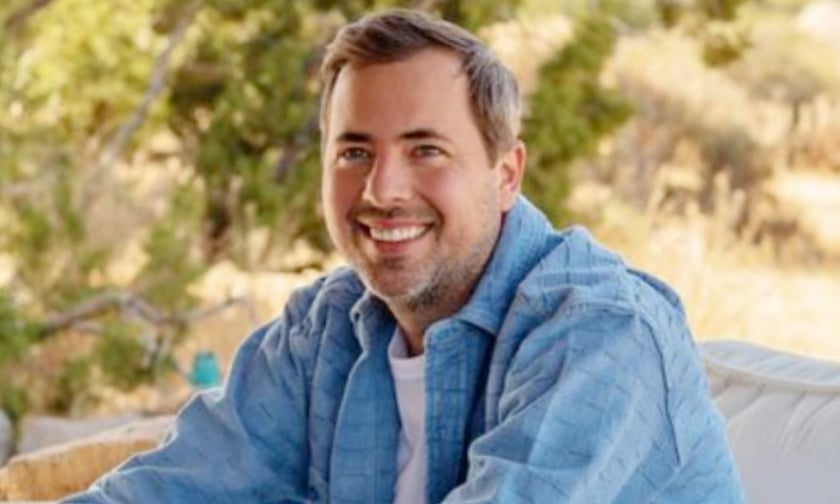
“Claim denials are one of the biggest tests of trust between an agent and a client,” said Charley Todd (pictured top), founder of Florida independent agency Charley Insurance.
“When coverage doesn’t respond the way a homeowner expects, it can quickly shift from ‘my agent is watching out for me’ to ‘my agent sold me the wrong policy’.”
Todd said his team now treats every claim as a “service event, not an administrative event,” stepping in early to frame expectations and interpret policy language before frustration turns into finger-pointing.
“Most friction isn’t about bad faith; it’s about confusion and lack of communication,” he said.
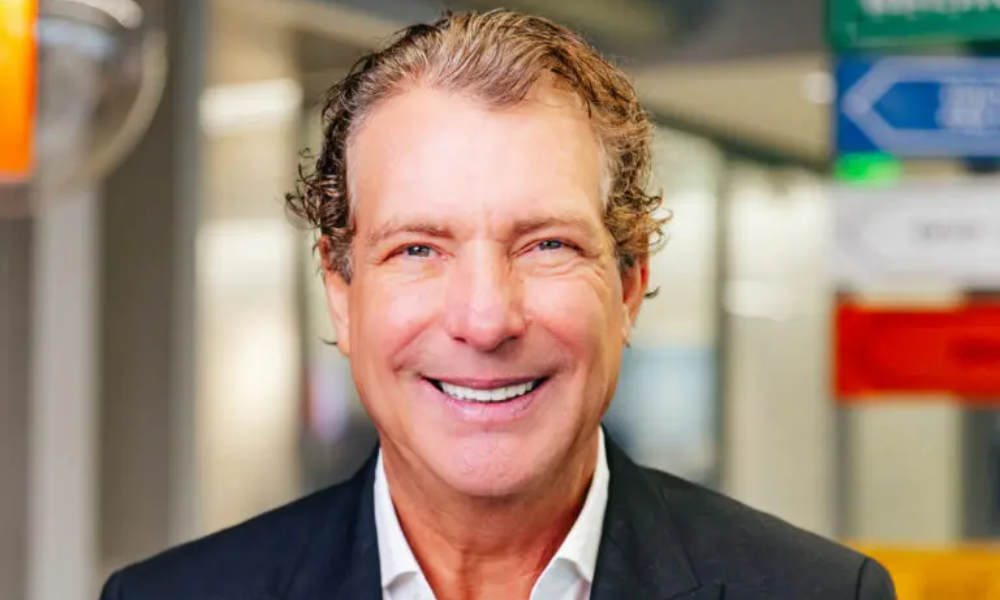
That disconnect is familiar to Oscar Seikaly (pictured below), CEO of NSI Insurance Group, who has spent 35 years watching client reactions when claims fall outside their policy.
“People don’t understand the distinction between insurance and maintenance,” Seikaly said. “If your roof is old and leaking because it’s 15 years old, that’s not what insurance is for. If a storm destroys it, that’s different. But there’s always a reason when a claim isn’t paid.”
Seikaly said the most common disputes stem not from bad underwriting but from missing information: undisclosed valuables, misrepresented property conditions, or assumptions about automatic coverage.
He recalled a recent claim involving a client whose $350,000 watch was stolen while traveling. The policy included a $50,000 blanket limit for unspecified jewelry, but the client had never scheduled the high-value watch.
“He’s a sophisticated buyer, and he knew he didn’t tell us,” Seikaly said. “But some clients will say, ‘you should have known’ – as if we’re following them around with a camera. If you don’t disclose it, no-one can insure it.”
Even with tightening contract language, Seikaly said genuine coverage disputes have been rare in his career. But he acknowledged brokers and agents must learn to navigate the emotional fallout.
“The real question is: what do (brokers) do next?” he asked. “We guide them on the steps they can take, and sometimes that leads to a resolution, sometimes it doesn’t.”
While some insureds blame their agent first, brokers say they are now scrutinizing carriers far more heavily based on claims philosophy, not just pricing.
“We will often choose a carrier that’s slightly more expensive but has a strong claims reputation,” Todd said. “Because ultimately, how a carrier treats our clients reflects directly on us and determines whether the relationship endures.”
That shift is happening across commercial and personal lines, but the tension is sharpest in catastrophe-exposed states such as Florida, California, and Louisiana, where carriers have redrafted policy forms to restrict water damage, shrink roof coverage, and require more detailed proof-of-loss documentation.
Todd said adjusters themselves are not the enemy – most want to pay legitimate claims – but they are operating under narrower authority.
“Profitability pressures, inflation, higher reinsurance costs, and rising litigation (especially in Florida and California) have led carriers to tighten up significantly,” he noted. “We’re seeing revised policy forms, more exclusions, and lower sub-limits designed to control loss exposure. That puts more weight on education up front, not just quoting a price.”
Brokers know what’s at stake when a loss occurs: a fully paid claim builds loyalty that survives premium hikes, but a denied claim can erase years of goodwill. Seikaly and Todd said the winning strategy is not to prevent denials, which are sometimes inevitable, but to prevent surprises.
“Setting expectations before a loss is the most effective protection,” said Todd. “When a denial occurs, we get involved quickly, help clients appeal, and translate the reasoning in a way they can act on. Clients will remember who stood beside them when things become complicated.”
“If you’ve been proactive and stayed engaged with the client from the beginning, explaining how the coverage works, then they usually understand why a claim is denied,” said Seikaly. “(Clients) just want to know the reason. And most of the time, there is a valid reason.”