A Trump-appointed FEMA review council has endorsed recommendations that could dramatically expand the role of private insurers in the US flood market, proposing to move large portions of the National Flood Insurance Program (NFIP) into private hands as part of a broader overhaul of federal disaster response.
The proposals, which will now be sent to President Donald Trump, come as the NFIP grapples with more than $22.5 billion in debt and mounting criticism over outdated flood maps, affordability pressures and declining participation.
Industry players said the recommendations could accelerate private-sector growth in a market long dominated by the federal government, while also raising questions about coverage gaps and consumer affordability.
The council’s proposal to move more policies into the private market reflects a growing view within the insurance sector that private carriers are better equipped to respond to evolving flood risks than the federally run NFIP.
“Private carriers willing to step in and write flood risks have basically been a life preserver for this industry,” said John Dickson (pictured), president and CEO of Aon Edge. “The NFIP continues to struggle with pricing experience. It’s large, and it’s so large it makes it tough to move timely with changing needs.”
Private insurers, he added, have been able to respond more quickly to shifting weather patterns and emerging flood exposures. “I think the private industry is moving faster than the federal government can in that respect,” Dickson said. “When you can (price flood risk) precisely and accurately, I think you can have sharper conversations with customers and help them make better decisions.”
Industry estimates suggest more than 15 million flood-exposed properties nationwide remain uninsured.
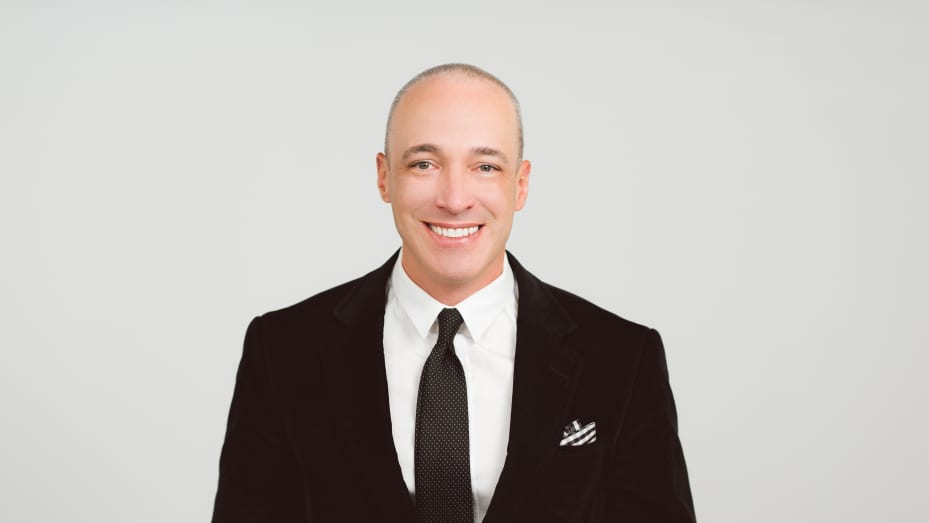
Trevor Burgess (pictured below), chairman and CEO of Neptune Flood, said outdated FEMA flood maps remain one of the biggest obstacles to improving coverage rates. “Modern flood modelling identifies far more properties at risk than FEMA currently recognizes,” he said.
In California alone, 600,000 properties facing substantial flood risk sit outside FEMA-designated high-risk zones, according to Neptune’s data. The company’s research also highlighted that 45% of NFIP claims occur outside mapped floodplains.
The mismatch between historical flood models and current climate realities is contributing to widespread misconceptions among homeowners, according to Dickson. “Too often homeowners are using yesterday’s information or maps that are sometimes 10 years old to make decisions about today’s risk,” he said. “You cannot make these life-changing decisions using outdated information.”
At the same time, the flood insurance sector is grappling with an education gap. “Sixty-five percent of Americans think that their homeowners’ policy covers the risk of flooding, when it doesn’t,” said Burgess. “So, you’ve got this knowledge gap compounded by the wrong maps. It’s all leading to an underinsurance problem.”
Technological advances in analytics and satellite imagery are enabling private insurers to price flood risks more accurately and to expand coverage options beyond the NFIP’s traditional framework.
Dickson said Aon has used advanced analytics and mapping technologies to reduce premiums for some low-risk properties to as little as $150 annually, compared to the NFIP’s traditional preferred-risk premiums of $500 or more.
The private market is also increasingly experimenting with parametric flood insurance and customized excess coverage solutions designed for commercial property owners and affluent homeowners.
“Private flood insurers such as Neptune… have done a good job of trying to get more people insured, but we’re at just under 300,000 policies,” said Burgess. “It’s not enough yet to make up for the reduction in what’s happened to the NFIP.”
Still, concerns remain about whether shifting more responsibility to states and private markets could widen protection gaps, especially for low-income households and vulnerable communities.
Critics of the FEMA overhaul have warned that stricter disaster-aid eligibility and reduced federal support could leave many families struggling to recover after catastrophic events.
At the same time, insurers caution that public complacency around flood risk remains a major challenge, particularly outside mandatory flood insurance zones.
“Only the homes sitting within Special Flood Hazard Areas have to carry flood insurance if they’re backed by a federally insured mortgage,” Dickson pointed out. “For everyone else, there’s no requirement at all.”
That dynamic has become particularly visible in Florida, as it works to depopulate Citizens Property Insurance Corp., the state’s insurer of last resort. Burgess warned that when homeowners leave Citizens or switch carriers, some may also drop their separate flood insurance policies because they are no longer required or encouraged to keep them.
“Given affordability pressures, many people are dropping their flood coverage. That’s just increasing vulnerability,” Burgess said. “You actually saw the number of NFIP policies go up in Florida last year, one of the only states where it increased. That was because of the Citizens' rule.”