Slow claims payments and limited visibility into funds are creating avoidable friction for insurers and their partners. Delays in getting money to a claimant can undermine the service an insurer and its claims partners have delivered elsewhere.
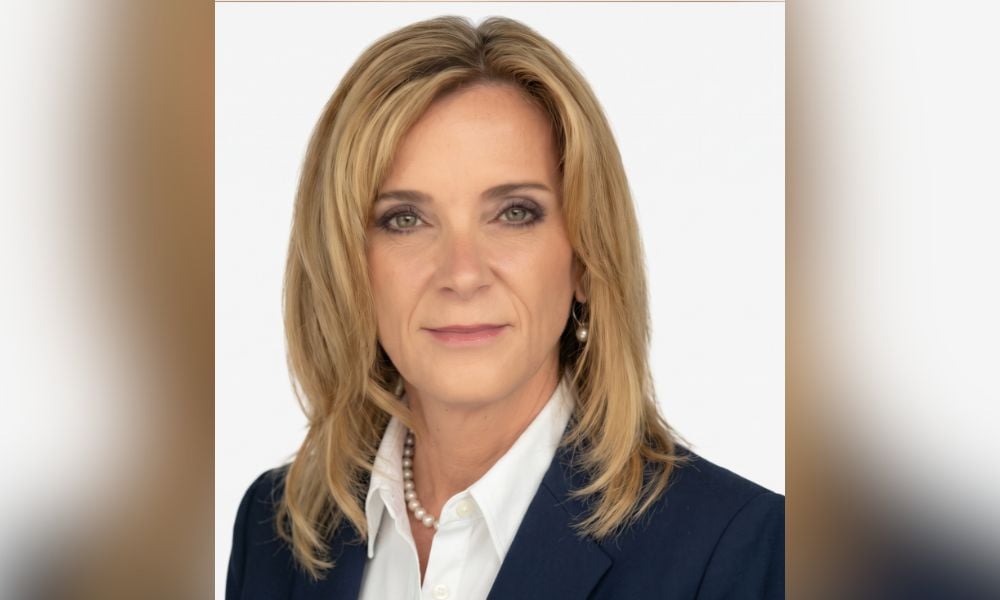
According to Vitesse CRO Shareen Minor (pictured), the financial handling of a claim has received less attention than other parts of the insurance process.
While insurers have invested in underwriting and claims technology, Minor said many still rely on spreadsheets and manual reporting to track the money needed to settle losses. Those arrangements can leave funds sitting in accounts unnecessarily while other claims require additional funding.
Vitesse provides treasury and payment services to the insurance industry, working with carriers and third-party administrators, or TPAs, as well as managing general agents. Minor said the company’s offering brings the financial and adjusting sides of a claim closer together.
“You can lose clients through claims, or you can retain clients and gain clients through claims,” Minor told Insurance Business. “It addresses what everybody always wants out of a claim: speed and financial clarity.”
Delegated claims arrangements create a particular challenge because insurers rely on outside administrators to handle losses and distribute funds. The carrier needs to understand how much money those partners hold and when more will be required.
Minor said clients approaching Vitesse want a clearer view of those balances and greater control over payment timing, reducing the risk of overfunding accounts or making last-minute requests for cash.
The underlying processes, however, can be slow to change. Asked why payment handling had lagged behind other areas of insurance technology, she pointed to familiar working practices: “Things are done manually,” she said. “They’re doing it on Excel.”
She described an engagement involving a carrier and 50 TPAs in which Vitesse helped clean up accounts and identify money that could be returned to the insurer. Funds can effectively be forgotten in those accounts, limiting the carrier’s ability to put them to use elsewhere. Better oversight, she said, adds to insurers’ financial strength: identifying money no longer needed in a claims account can make it available for other purposes, including investment.
She also described the administrative burden of traditional cash calls, where an invoice requests additional claims funding. Vitesse’s platform is designed to allow accounts to be funded and claimants paid with fewer manual steps.
The reporting component gives participants information about the status of individual payments. “It’s all automated. You see where the claim is, you see if the claim’s been paid, you see when it went out,” Minor said.
Claims involving multiple insurers add another layer of coordination. Minor said Vitesse can configure participating insurers’ shares and give the parties visibility into payments, helping them track contributions without repeatedly contacting one another for confirmation.
She said the complexity of specialty programs makes that coordination increasingly relevant. Program structures can involve fronting carriers and delegated claims handlers, with several organizations participating in the delivery of coverage and claims services.
Vitesse is also considering extending its capabilities to premium transactions. Minor said conversations with MGAs and program businesses had raised the possibility of applying similar payment and reporting tools to money moving at the beginning of the policy.
Commission splits and differing allocations among participants are among the processes she believes could benefit. She described the premium opportunity as something the leadership team would examine more closely over the coming months.
The potential expansion would give partners a view of premium and claims activity together, although Minor presented it as an area under consideration.
“Once we can do that, the reporting becomes much more structured,” said Minor. “The reporting is important for how people grow, how they look at their business and how they continue to partner.”