After a hard market period, commercial property insurance is seeing improvements in capacity and rate reductions across many regions and asset classes.
However, industry leaders warn that the recovery is uneven, particularly for catastrophe-exposed properties and sectors like multifamily housing, where heightened scrutiny, elevated deductibles, and narrow capacity remain the norm.
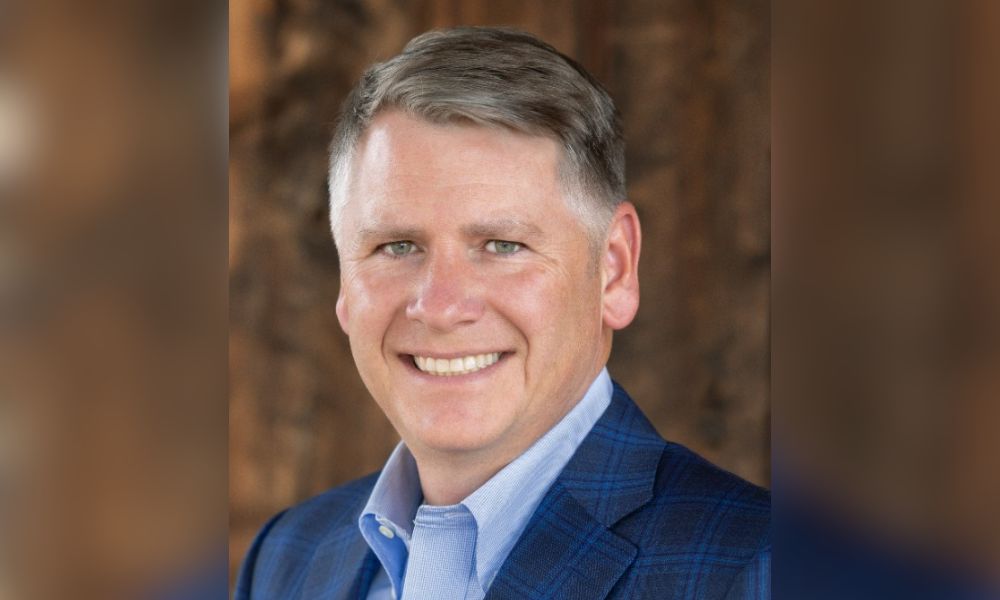
Carriers are deploying capital strategically, leveraging increasingly granular data, and adopting a building-level underwriting approach that rewards proactive risk management and modern infrastructure while penalizing outdated construction and poor resilience planning, according to Marshall Heron (pictured below), national real estate practice leader at Risk Strategies, part of the Brown and Brown group.
Are you an insurance innovator? Tell us — we want to hear your story
“Outside of the most catastrophe-prone geographies, the market is unquestionably improving,” said Heron. “Rates are softening, terms and conditions are expanding, and more capacity is flowing back into the system.
“But when you look at wind, earthquake, wildfire, or convective storm exposures, or at asset classes like multifamily, carriers are still underwriting at a much deeper level than in prior years.”
This renewed selectivity is being driven by increasingly sophisticated catastrophe models that go beyond primary property characteristics. Rather than focusing solely on location, construction type, or age, underwriters are now weighing secondary attributes such as roof condition, equipment fastening, window impact resistance, sprinkler installations, and even directional exposure to wind or hail.
“Carriers are asking not just if a building was updated, but exactly what was updated,” Heron said. “Secondary characteristics are becoming the differentiator in modeling data. These are what sway average annual loss and probable maximum loss projections, and ultimately determine pricing and attachment points.”
At the same time, carriers are not broadly pulling back from high-risk zones. Instead, they are adjusting appetites via stricter terms, higher deductibles for windstorm and earthquake exposures, and careful aggregation management.
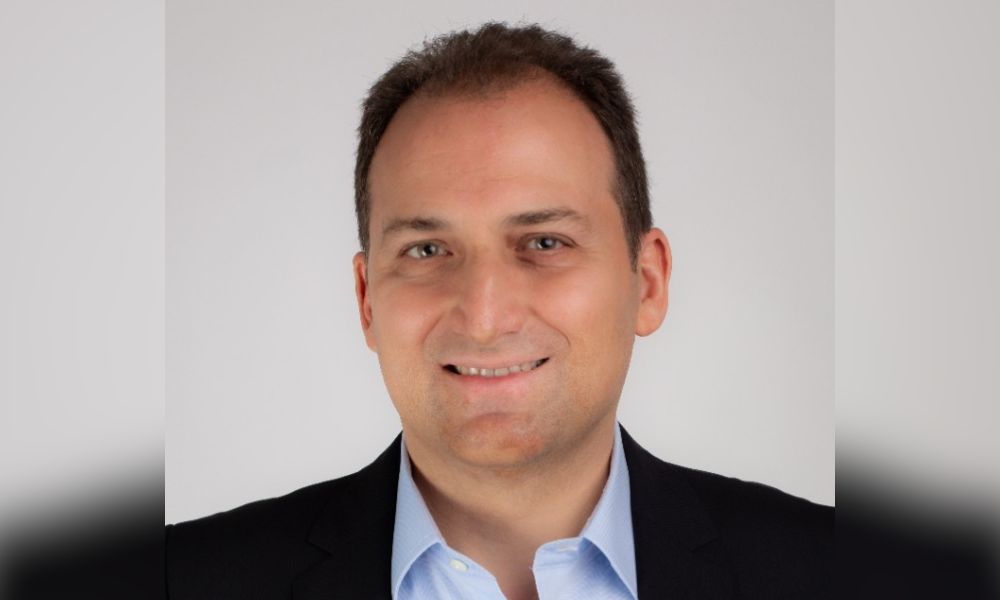
For Itai Ben-Zaken (pictured below), CEO of Honeycomb Insurance, this evolving marketplace presents opportunity.
Honeycomb, a digital-first managing general agent (MGA), specializes in commercial real estate (specifically apartment buildings, condo associations, and single-family rentals) and operates in 19 states, with Colorado set to become its 20th as it expands into some of the hardest-hit markets for hail exposure.
“Our approach is inch-wide, mile-deep,” Ben-Zaken told Insurance Business. “We use advanced proprietary technology to evaluate each building individually.”
Ben-Zaken explained that Honeycomb uses AI-driven algorithms, combined with proprietary remote inspection data, to price risk at the building level, including directional hail exposure and historical loss likelihood. This enables the MGA to offer capacity in areas where traditional carriers have narrowed appetite.
“Most carriers make blanket decisions, such as refusing to write anything older than 30 years or exiting hail-prone markets,” he said. “We do the opposite. We go deep into those markets because we can differentiate risk at a much more granular level.
Both Ben-Zaken and Heron agree that technology is reshaping the commercial property market from the ground up. In this landscape, those who can leverage data most effectively will be best positioned to deploy capital strategically.
Heron said brokers are increasingly modeling risks in parallel with underwriters, using layered programs, parametric covers, and standalone earthquake or flood placements to structure viable solutions. “Brokers need to go into the market armed with deep risk data,” he added.
“It’s no longer enough to provide surface-level information. Underwriters need to understand every material update and every mitigation measure in place to consider offering capacity, especially in a layered tower or an excess position.”
The return of capacity is also being influenced by easing conditions in the reinsurance market. As reinsurance costs stabilize, more carriers are re-entering lines that had seen contraction in 2023 and 2024.
“There’s more capacity in the market now than a year ago,” said Ben-Zaken. “We’re being approached by more reinsurers seeking to deploy capital with differentiated models. The flexibility this gives us accelerates future product development and geographic expansion.”
However, industry leaders caution that this does not signal a return to pre-hard market practices. Even as rates decline in certain territories, carriers are maintaining disciplined underwriting, especially in cat zones.
“Every risk now stands on its own,” Heron said. “Even in the softening market, layered programs, parametrics, and structured solutions will remain essential tools because no matter how much capacity returns, no two buildings have the same exposure profile.”
With new tech-driven entrants like Honeycomb and established markets reopening appetite, 2026 is shaping up to be a data-driven marketplace where highly detailed underwriting intelligence will define winners and losers.
“The future of commercial property insurance is hyper-differentiated,” Ben-Zaken said. “Blanket underwriting is gone. The carriers and MGAs who can assess risk at the square-foot level, not the ZIP code level, are the ones who will write profitably in both soft and hard markets.”