GEICO has sued a New York medical-equipment supplier, alleging it billed more than $3.7 million for braces, cushions and stimulators that patients never needed.
The insurer filed suit on September 8, 2026 in the US District Court for the Eastern District of New York. It names the supplier, APEX Health Products Inc., along with its owner and up to 10 unnamed “John Doe” defendants.
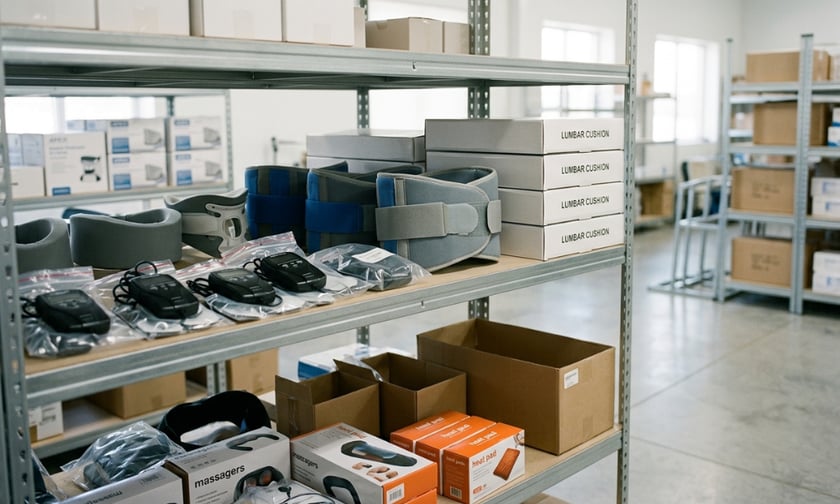
The case turns on New York’s No-Fault system, which is meant to give people hurt in car accidents a fast way to cover their medical care. APEX billed GEICO for “medically unnecessary, illusory, and otherwise non-reimbursable” equipment supplied to people who said they were injured in New York crashes and were covered under No-Fault policies, according to the complaint. The gear included joint-stimulation devices, heat pads with pumps, percussors, wheelchair back cushions and lumbar braces - what the filing calls the “Fraudulent Equipment.”
GEICO says the scheme began no later than September 2024 and is still running. It alleges it paid out more than $2.1 million and is now fighting another $1.3 million in pending bills, out of more than $3.7 million billed to GEICO alone.
The complaint says APEX never operated as a real supplier. Instead, GEICO alleges, its owner struck “collusive” deals with the operators of several No-Fault clinics, paying “kickbacks and other financial incentives” for a steady flow of prescriptions. Those prescriptions were routed straight to APEX, the filing says, so patients never took them to a legitimate supplier who might ask questions.
Many prescriptions carried “photocopied or otherwise duplicated” signatures, according to the complaint. A doctor whose name appeared on some of them told GEICO he signs each prescription by hand, that no two signatures should ever match, and that he never authorized anyone to copy his signature.
The coding is where the case matters most for insurers. GEICO says APEX’s owner is not a licensed medical provider, yet decided which devices to bill for - using vague prescriptions, such as a generic “Lumbar Support,” to reach for the billing code that paid the most. It often billed for costlier items than the ones it actually supplied, the insurer alleges.
The filing lists examples. It says a “Lumbar Cushion” was billed at $282.02 under a wheelchair-cushion code, when the item matched a positioning-cushion code capped at $22.04. An “Orthopedic Car Seat” was billed at $756.03 using a code meant for special-needs seating for children with conditions such as cerebral palsy. A “massager” was billed at $355.56 under a code for an airway-clearance device used by patients with cystic fibrosis or chronic bronchitis. And prescriptions for an “EMS Unit” were billed instead as joint-stimulation devices at $808.25.
GEICO also takes aim at how the bills were collected. It says APEX hired law firms to file large numbers of separate No-Fault collection cases, one bill at a time, making it hard for any single arbitrator or judge to see the full picture. GEICO says it has to process claims within 30 days, and that the paperwork looked valid enough to pay.
The suit brings six claims, including two under the federal anti-racketeering law known as RICO, plus fraud and unjust enrichment. GEICO wants its $2.1 million back, a ruling that it owes nothing on the pending bills, and - under RICO - triple damages plus legal fees.
The allegations have not been tested, and no court has ruled on the claims.