What happened: Great American alleges a New Orleans film studio's two burglary claims each fail four separate policy conditions
Who's involved: Great American Risk Solutions (insurer) and Starlight Studios (policyholder)
What's at stake: Two theft claims including a preliminary repair estimate of $856,980 for HVAC units alone, under a policy with an $8.27 million total limit
Why it matters: The case stacks vacancy, alarm, property-management, and utility-service exclusions in a single coverage dispute - a textbook example of layered defenses
Where it stands: Complaint filed October 1, 2026
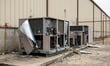
Copper thieves allegedly cut power lines, peeled back sheet-metal siding, and stripped five commercial HVAC units at a New Orleans soundstage complex. Now the insurer says every coverage requirement the policyholder needed to satisfy had already fallen through.
Great American Risk Solutions has asked a federal court to confirm it owes nothing on two separate burglary and theft claims submitted by Starlight Studios, a film and television production facility on Old Gentilly Road in New Orleans. The complaint, filed October 1, 2026, in the US District Court for the Eastern District of Louisiana, lays out four independent reasons coverage should not apply.
What makes the case unusual is the sheer number of policy requirements the insurer says were breached at once.
The two soundstages - a 30,000-square-foot building known as Stage 1 and a 12,000-square-foot Stage 2 - are periodically leased for film and TV production, according to the complaint. The filing alleges the last tenant left around February 2025 after using the stages to build and store sets for the Super Bowl LIX halftime show. That left both buildings sitting empty for nearly a year before the claimed losses.
The first claim covers a loss the complaint says occurred between January 31 and February 2, 2026. According to the filing, unknown persons broke the lock on the front gate on the south side of the property and harvested copper wiring from five HVAC units - three 50-ton and two 20-ton - across both stages.
The perpetrators also allegedly unscrewed and removed sheet-metal siding from one of the buildings, where they stripped approximately 19 to 20 electrical outlets, pulled wiring from production power banks, and removed 400-amp electrical switches, according to the complaint. During the investigation, Great American says it learned the perpetrators also cut power lines from Entergy and fiber-optic lines from AT&T running to the buildings from off-site equipment - knocking out security cameras in the process.
A preliminary repair estimate produced during the investigation put the cost of replacing the five HVAC units alone at $856,980, according to the complaint. When reporting the incidents to police, studio representatives estimated total damage at "a quarter of a million dollars," the filing states.
The second claim covers a loss the complaint alleges occurred between February 3 and February 9, 2026. The filing says perpetrators cut through the perimeter fence on the northeast side and, according to the insurer's information, drove all-terrain vehicles onto the property. They again allegedly peeled back sheet-metal siding, cut through insulation, and stripped electrical components from inside one of the buildings.
Great American's complaint argues coverage fails on four fronts.
First, the policy required an active central-station burglar alarm with remote off-site monitoring at all times. No working alarm was in place at either loss, the complaint alleges. Without that alarm, the policy's protective-safeguards endorsement says the insurer will not pay for theft losses.
Second, the policy stops covering theft, attempted theft, and vandalism once a building has been empty for more than 60 consecutive days. With the last tenant gone nearly a year before the first claimed loss, the filing alleges both stages were well past that threshold.
Third, a custom exclusion written into the policy barred coverage for loss caused by "inadequate property management" - defined as the absence of a professional property management company providing daily on-site oversight. The complaint alleges the studio admitted during the investigation that no such company was ever retained. At best, a contract maintenance worker visited the property occasionally.
Fourth, the filing invokes an exclusion for losses tied to off-site utility failures, alleging the perpetrators cut power and communications lines running to the buildings from equipment away from the property - which, the complaint says, also disabled the security cameras.
The complaint adds a cooperation layer on top of the coverage arguments. Great American alleges the studio refused to hand over books and records the insurer requested during its investigation, including documents related to at least two prior insurance claims on the same property - one of which allegedly involved active litigation.
The filing also alleges the studio produced a letter it claimed to have sent to Great American, which the insurer says it never received.
Great American's investigation raised questions - which the complaint is careful to note it is not yet formally accusing the studio of - about whether damage from the current claims overlaps with damage previously claimed from Hurricane Ida in 2021, and whether the property's condition was misrepresented in the insurance application.
The case is a sharp reminder of how vacancy clauses, alarm requirements, bespoke exclusion endorsements, and cooperation obligations can all converge on a single loss - and how quickly coverage can unravel when a commercial property sits idle between tenants.
The allegations in the complaint have not been tested in court, and no judge has ruled on the merits of the claims.