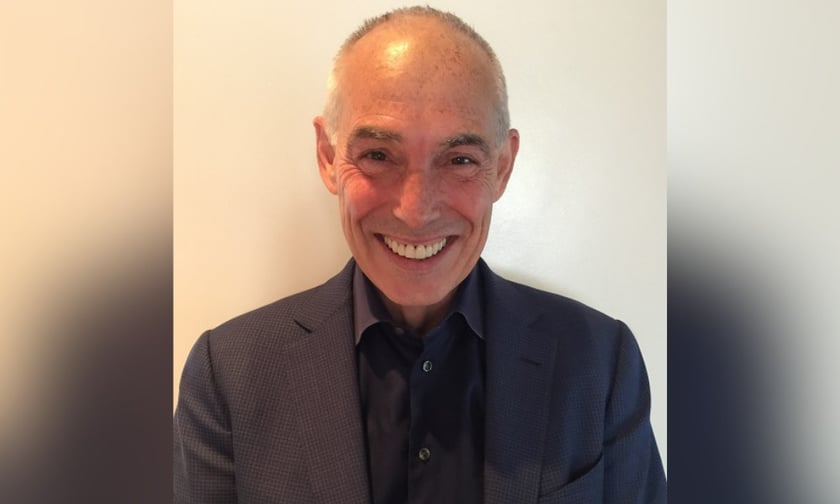
The Ontario government has framed its July 1 auto insurance changes as giving drivers greater choice over their coverage, but for a large group of Ontarians, that choice was never actually available, according to Jay Ralston (pictured), president of the Ontario Trial Lawyers Association.
Ralston said the reforms affect far more people than just those who own vehicles. Pedestrians, cyclists, and passengers using rideshare services, taxis, and public transit who do not have an auto insurance policy can all be seriously injured in a collision, yet none of them have any ability to opt into the optional accident benefits now built into the system.
"We anticipate cyclists, pedestrians, those people travelling in public transportation, buses, rideshares, will not be able to access the optional benefits if they don't have their own car insurance," Ralston said.
That gap is likely to be most pronounced in larger urban centres, Ralston said, where many residents don't own a vehicle at all and simply rent one when they need it, a pattern that has become increasingly common as car-sharing and rental services have expanded in major cities. He pointed to downtown Toronto as a clear example, where residents who rent a car for the occasional weekend trip or errand typically have no auto insurance of their own, raising questions about whether they have any real path to accessing these optional benefits at all. It remains unclear whether rental company coverage extends to these optional benefits, or whether renters would even have the ability to opt in through a rental agreement.
A separate scenario Ralston said concerns him just as much involves passengers in someone else's vehicle who aren't insured under the driver's policy.
"Soccer mom or dad is carpooling half a dozen kids to the soccer game, and some of those kids' family members don't have auto insurance policies," Ralston said. "They will not have access to the optional benefits either."
The consequences of that gap don't disappear, Ralston said, they simply move somewhere else, typically onto public systems and onto the families and friends of the people affected, rather than being absorbed anywhere within the insurance system itself. Someone who loses access to an income replacement benefit still needs income to live, which pushes them toward government assistance programs like ODSP, while other needs, such as housekeeping or caregiving, don't disappear just because a benefit becomes optional, they simply have to be met some other way, often through unpaid labour from family and friends who absorb a cost the insurance system no longer covers. That shift, he said, effectively transfers what used to be an insurance company's financial responsibility onto whoever happens to be closest to the injured person, whether or not that person is in any position to take it on.
"These changes do not eliminate the needs of people injured in motor vehicle collisions, they simply shift the responsibility elsewhere," Ralston said.
Ralston said the government's framing of these changes as expanding consumer choice misses a basic requirement for choice to actually be meaningful: understanding what's being given up, and having the ability to choose in the first place. He argued that even the language used in the legislation works against genuine understanding, since describing benefits as "optional" signals to most people that the coverage is unnecessary rather than something with real financial consequences if declined.
"Choice is only meaningful when people understand what they are giving up," Ralston said. "We don't think they should just be called optional benefits."
For the pedestrians, cyclists, and transit users who can't opt in at all, Ralston said the issue isn't even about clearer communication, since the choice was never on the table for them to begin with. No amount of consumer education changes the fact that the legislation simply doesn't extend coverage access to them in the first place, a structural gap that no amount of clearer wording or public awareness campaigns could ever fully resolve on its own.
"They are completely out of luck for the optional benefits. They have no choice," Ralston said. "That's one of the things the government has to address: how do we ensure that these perfectly innocent people who just happen to get struck by a vehicle as they're walking down the sidewalk have access to the benefits that they really need?"