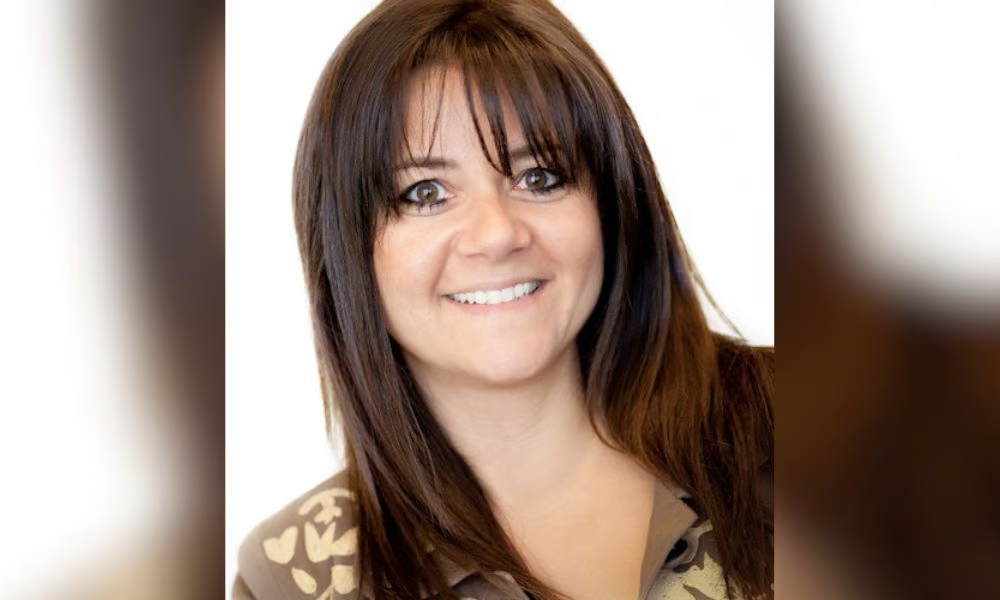
The risks that force an event to be cancelled have changed so much that the old assumptions about what a cancellation policy covers no longer hold, and the coverage is expanding to keep up, according to Nellie Lindner (pictured), national practice leader for films and entertainment at BFL Canada.
Cancellation used to turn on a narrow set of weather triggers, Lindner said. Rain rarely stopped anything – events tend to go ahead, and crowds often enjoy it.
Read more: New festival risks – from crowd crush to 'needle attacks' – force insurers to rethink exposure
"Rain often creates a memorable experience for crowds,” she said. “What actually shut an event down was lightning, a tornado, or violent storms. “That has shifted. What concerns organizers today is extreme, unpredictable weather that can emerge suddenly and create real safety risks. Conditions can change dramatically in minutes,” Lindner said.
The perils have also broadened beyond wind and lightning into things the industry rarely priced a decade ago. Wildfire is one, she said, and not only for the fire risk. She recalled a client running an expensive multi-day outdoor event who feared being shut down. "The concern wasn't the wildfire itself. It was the impact of deteriorating air quality on attendees' health and safety," Lindner said, was the exposure that worried them.
The weather is only part of it. Event cancellation now has to contend with economic and geopolitical pressures too, Lindner said – an artist unable to fly in, a cancelled flight, the fallout of global instability. The result is that a policy which was once close to all-risk with a handful of exclusions has moved the other way.
"Event cancellation policies used to provide broad all-risk coverage with relatively few exclusions. Today, clients need to pay much closer attention to what is excluded and what must be added back through additional coverage," she said, meaning clients increasingly have to underwrite and buy back specific perils rather than assume they are included.
Chief among those bought-back perils is a category that keeps widening. Non-appearance and terrorism now sit alongside a newer concern, Lindner said: terrorism coverage has expanded to take in active-shooter risk. And the trigger is not only an event occurring – it can be the threat of one. "Today, the threat alone can be enough to disrupt an event. Coverage needs to reflect the realities organizers are facing," she said.
Part of the problem, Lindner said, is that clients treat "cancellation" as a single thing when the coverage is more layered than the word suggests. A policy can respond to curtailment and postponement, not just outright cancellation – meaning an event stopped for one day of a multi-day run, or moved to another venue or date, may still be covered.
"A disruption doesn't always mean an event is cancelled entirely. It may be postponed, relocated or curtailed, and that's why understanding the scope of coverage is so important,” she said. A single lost day of a multi-day event can be claimed without cancelling the entire policy.
Read more: Wildfire smoke tests Canada’s event market as cancellation cover lags
The way she opens that conversation with clients, she said, is by forcing them to picture the failure. "I always ask, what is the worst-case scenario?" Lindner said – a freak storm, an assailant, or whatever keeps the clients up at night. Understanding the worst-case scenario helps build coverage around their specific exposures, rather than letting them buy a policy simply because a CEO or CFO said they should have one.
Her most consistent piece of advice, drawn from hard experience, is to buy back whatever perils are available while they still are. Before the pandemic, she said, clients routinely declined communicable disease cover, and then it was too late.
One of the biggest lessons from COVID is that coverage must be purchased before a risk becomes a reality. Once a loss is imminent, the opportunity to transfer that risk is often gone, she said. The calls came in from clients convinced they had bought protection against exactly this. Too often, the answer was already in writing: they had been offered communicable disease cover and declined it, and by the time the pandemic arrived it was no longer available to buy.
That, she said, is the lesson that carries across every emerging peril, from terrorism to wildfire to the next pandemic: the window to buy protection closes once the risk arrives. If the coverage exists and the budget allows, her guidance is that it’s worth serious consideration.
"If coverage is available today and it fits within your budget, don't wait," Lindner said. "Once a risk materializes, the opportunity to secure protection may no longer exist."