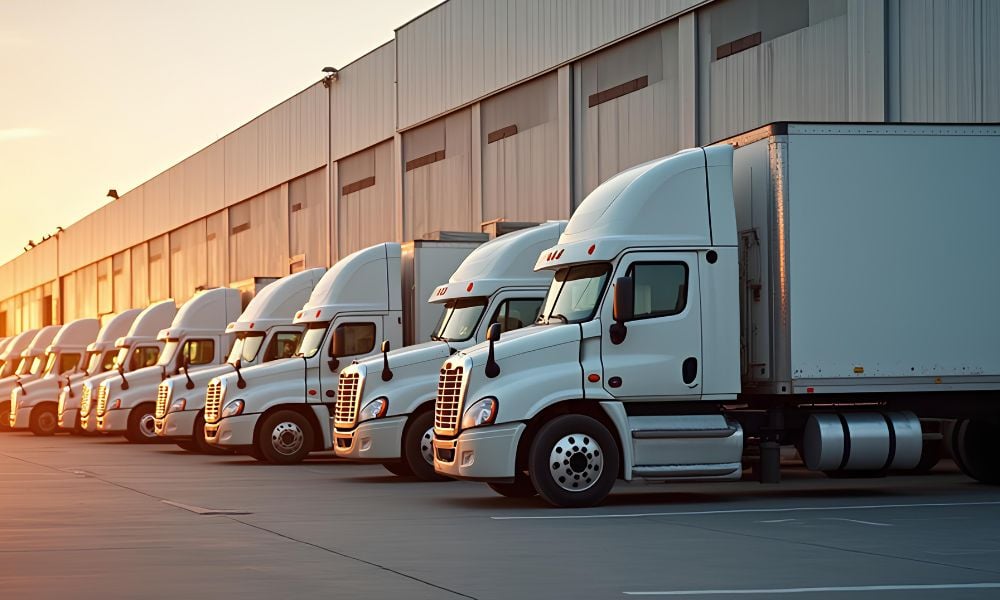
When Cover Whale, a New York-based MGA that insures commercial trucking fleets, looked at the business it was turning away, it saw an opportunity. Its platform handles close to $7 billion a year in premium submissions, and only a portion of that gets bound. In June it launched Breakwater Markets, a digital wholesale brokerage built to place the rest, including non-standard and surplus lines transportation risks.
Roman Atkielski runs it. A transportation specialist who co-founded the program administrator High Point Underwriters and most recently led Jencap Insurance Services' national transportation practice, he joined as executive vice president, brokerage.
The E&S market's biggest advantage right now, he told Insurance Business in an exclusive interview, "is flexibility": the ability to take on risks that standard carriers turn down because of a fleet's operations, safety record, loss history or coverage needs. That flexibility is increasingly backed by data, he said. Better analytics and technology let underwriters decide on the individual risk in front of them rather than on a whole class.
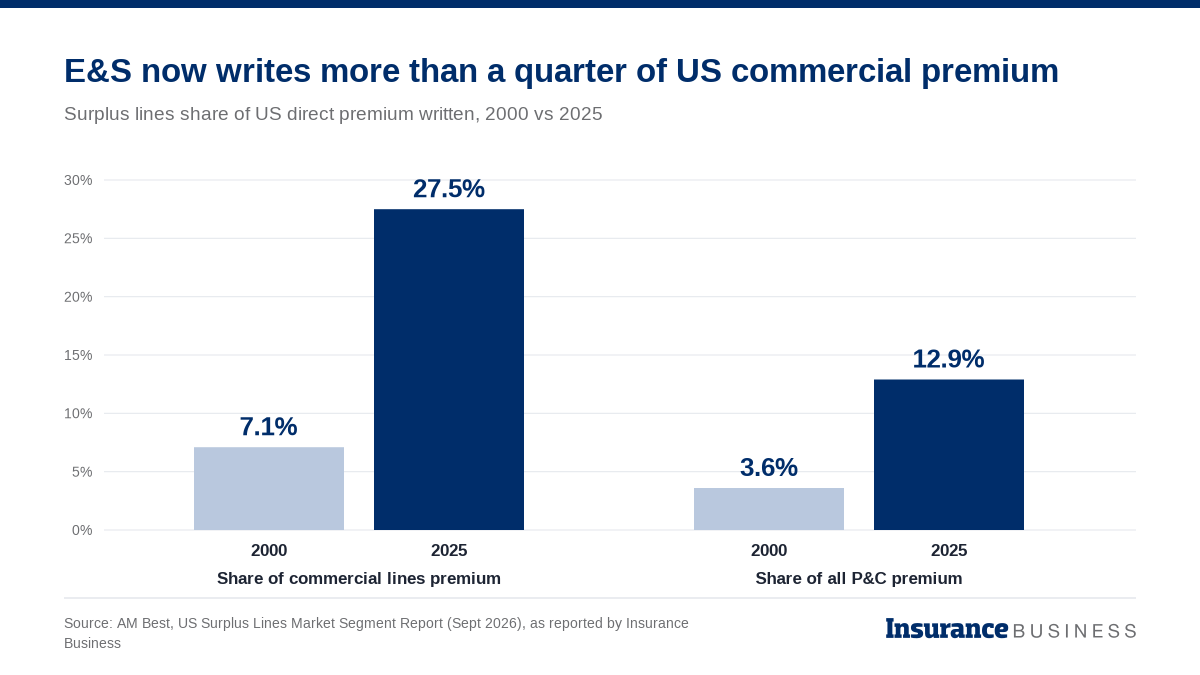
The market has grown to match. Atkielski put E&S's share of commercial premium at about 7% in 2000 and more than 28% today. AM Best's figures are close: surplus lines carriers wrote 27.5% of US commercial lines premium in 2025, up from 7.1% in 2000.
Read next: Bring in wholesale broker before admitted market says no, RPS president tells retailers
What keeps pushing transportation business into E&S, in Atkielski's view, is that standard carriers have become more selective as they struggle to earn a margin on commercial auto. Fleets with violations or complicated operations are among the first to be turned away. "We're seeing a lot more placements in the market due to the complexity of the risks," he said.
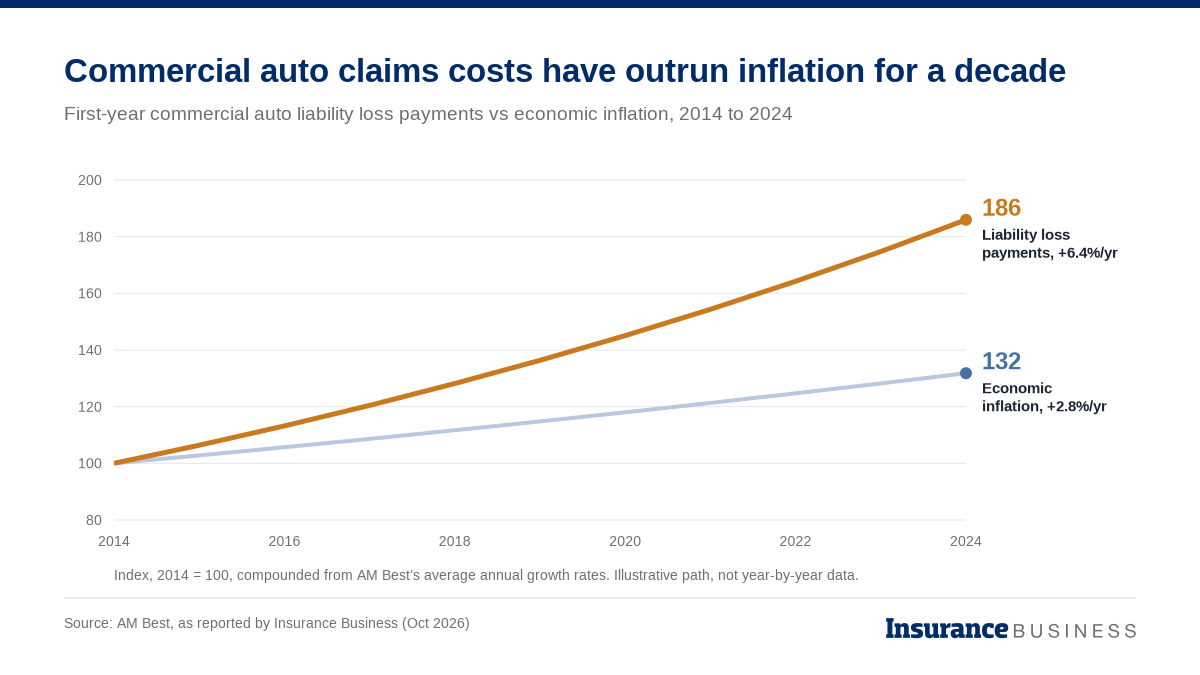
Commercial auto has been one of the industry's worst-performing lines for more than a decade: AM Best counted 14 straight years of underwriting losses through 2024. First-year liability loss payments grew 6.4% a year from 2014 to 2024, more than double the 2.8% rate of economic inflation, and AM Best estimates the line is under-reserved by $4 billion to $5 billion. In 2024, 14 of the 20 largest commercial auto insurers posted combined ratios above 100.
Pricing has moved to reflect that. Commercial auto premiums rose an average 4.5% in the second quarter of 2026, according to The Council of Insurance Agents & Brokers, even as commercial property and casualty premiums overall fell 2%. The cause? The Council blames nuclear verdicts from commercial auto accidents as a continuing source of pressure.
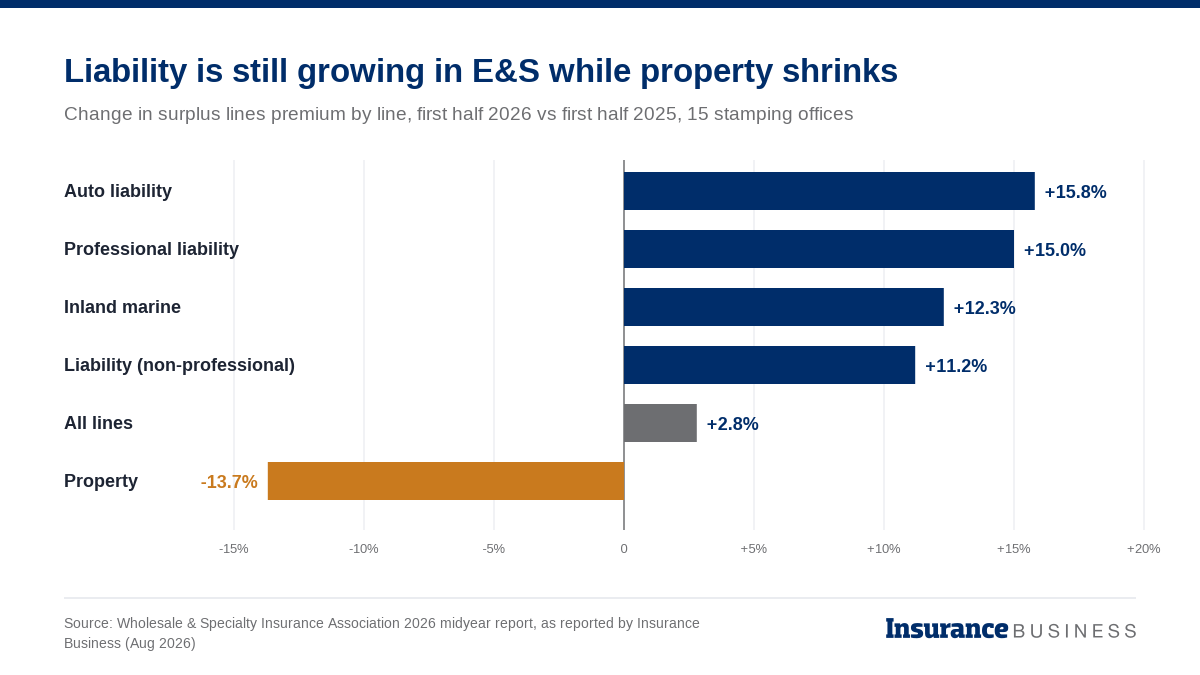
The growth, says Atkielski, is concentrated in auto liability and professional liability. The stamping office data agrees with him. Surplus lines premium for auto liability rose 15.8% in the first half of 2026, and professional liability rose 15%, compared with 2.8% for the market as a whole. AM Best has pointed to litigation trends and rising claim severity as the forces sustaining E&S demand in commercial auto, general liability and professional lines.
Read next: Liability keeps buyers on edge as commercial market softens
Asked what the next generation of wholesale brokers needs to look like, Atkielski started with expertise. "The next generation of wholesale broker needs to be a product expert," he said, with analytical and technology skills and an understanding of everything from risk management and underwriting to the economics of an account and how coverage is structured.
Most important of all, he said, is knowing what carriers need, and bringing them risks they can actually write.
The industry has done a good job developing young talent, he said, but it should keep putting weight on mentoring, specialized training and clear career paths for young brokers. For the brokers themselves, his advice was to focus on relationships, which he called the most important thing, and on finding quality submissions and sending them to markets that want that business.
Read next: Talent pipeline at risk as AI transforms wholesale insurance
That last skill is the logic of Breakwater itself. A fleet that doesn't fit one market's appetite may suit another's, and the job of a specialist wholesaler is to know which.
Read next: Surviving the commercial auto hard market