
Drivers will let a total stranger turn up at their door with a pizza, but many still won't let an insurer measure how they drive. According to Bill Powers, co-founder and CEO of Cambridge Mobile Telematics (CMT), this gap in trust has held back insurance telematics.
Powers made the point on stage with Shark Tank investor Daymond John at the recent ITC Vegas conference.
"Most human beings will gladly have a total stranger show up to their house with a box of food or a pizza. No problem, that's totally safe," Powers said. "But if you have someone measuring your driving performance, that's a problem."
READ MORE FROM ITC: Parametric a 'good bet to take' and the rise of the drones
The Cambridge, Massachusetts-based company supplies telematics programs to insurers and counts State Farm among its early backers. In March 2026 it secured $350 million from TPG and Allianz, according to Fortune.
The session's moderator put the most common objection to Powers: as a New York City driver, she said she would never opt in, because the aggressive driving needed to survive Manhattan traffic would read as risky.
"For those of you in the insurance world, this is a common question or comment that comes up," Powers said. "[The reluctance to share information] has to do more with trust. It has to do with consumer trust. Consumers' trust of insurance companies is very different."
That matches Insurance Research Council research on consumer attitudes to telematics, which found many drivers are concerned about the privacy of their personal information.
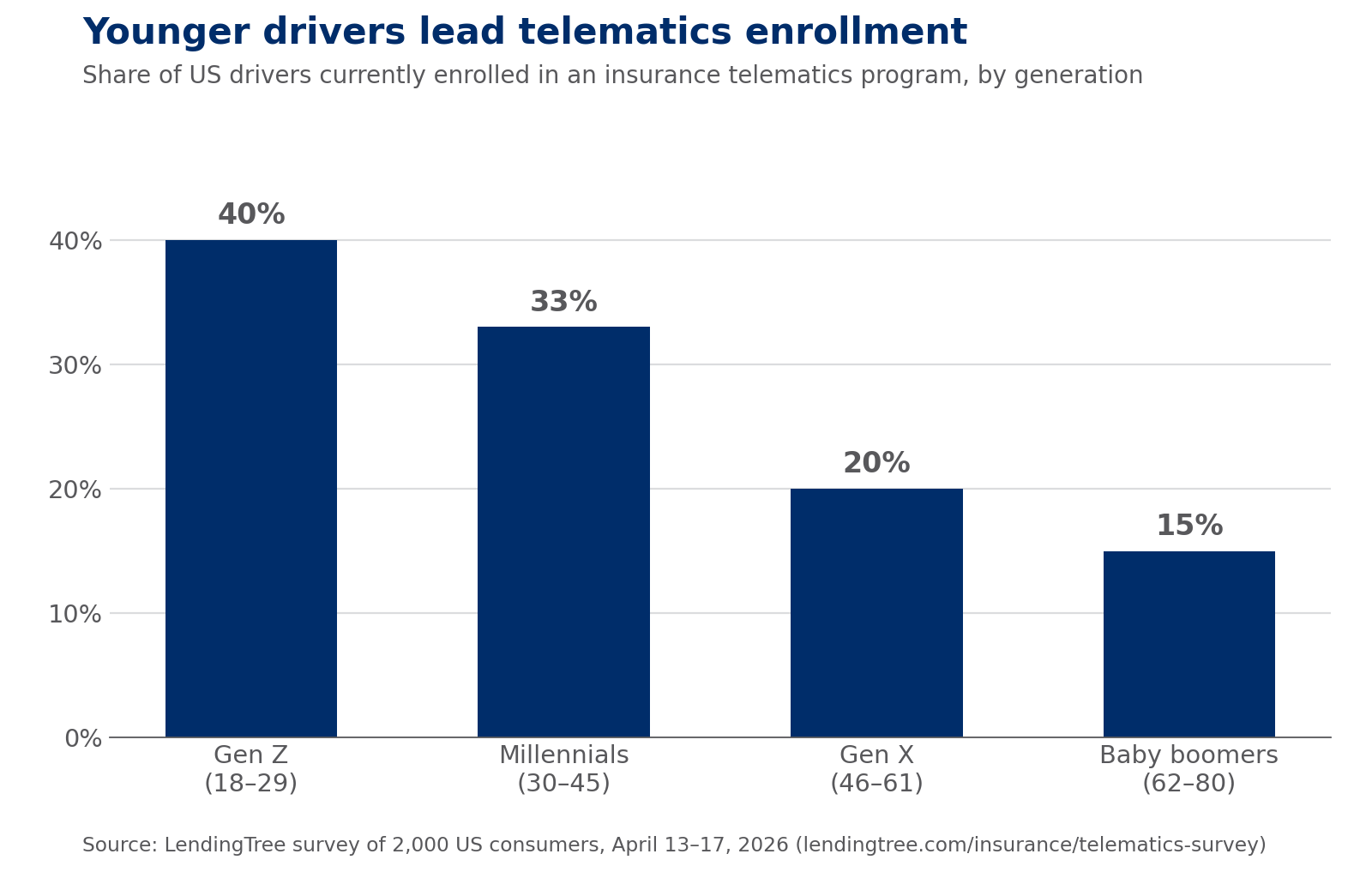
He said attitudes are shifting. "Insurance telematics is starting to pick up now, but the common theme was always, I don't want to be tracked," he said.
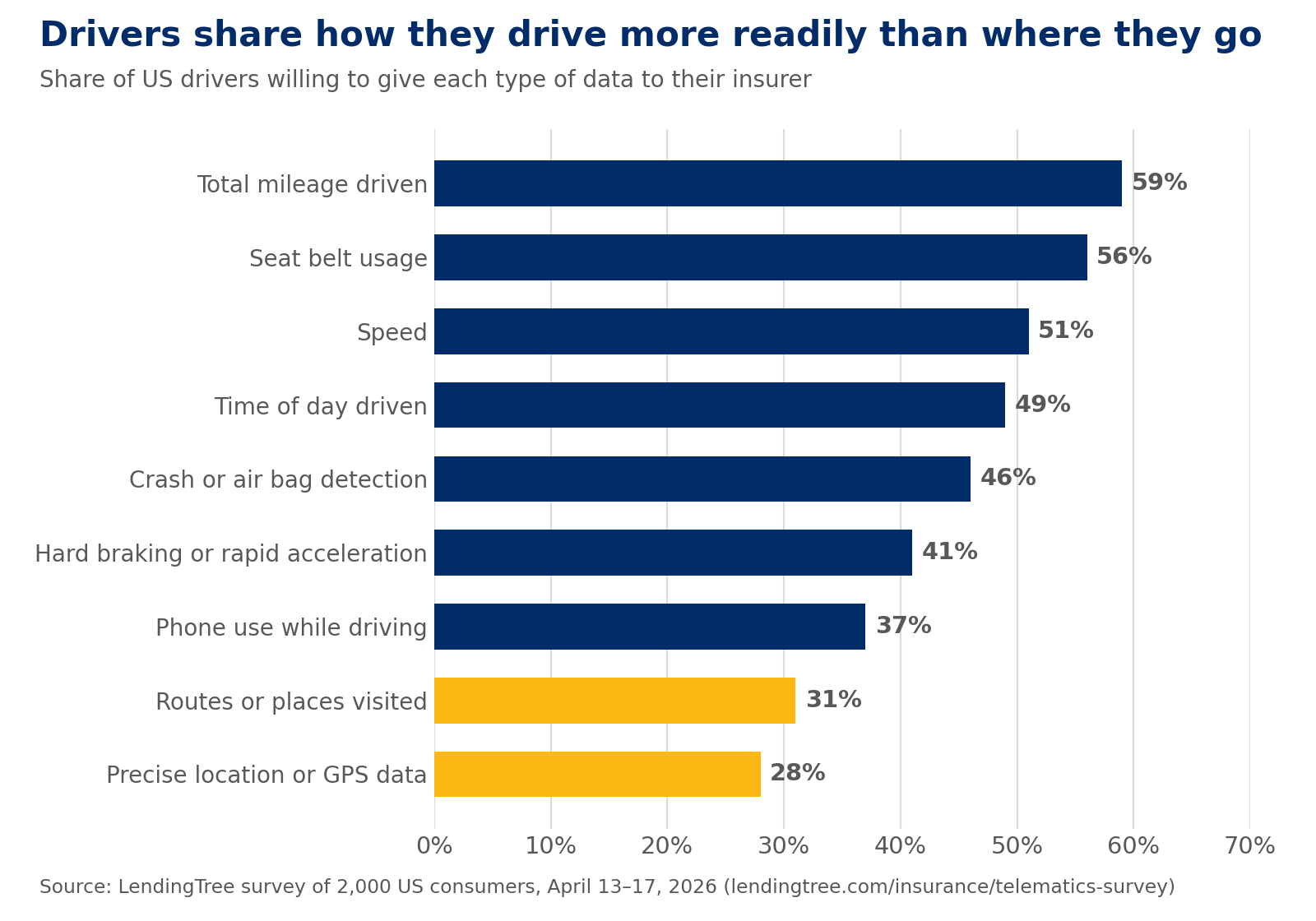
Powers said CMT measures driving rather than tracking drivers, and that its scoring takes location into account.
"Hard braking in New York City is not a negative," he said. "Hard braking on the interstate in the Midwest going 80 miles an hour could be a problem, but driving 85 miles an hour on an interstate in the Midwest is not dangerous driving."
Asked where artificial intelligence will have the most impact on insurance, Powers pointed first to claims.
"It's going to shorten the claim cycle. You'll get more accurate information based on the amount of data available to evaluate it," he said. "Hopefully, it'll bring down cost of repair because everybody in this room is probably aware that the amount of fraud and repair costs is just extraordinary."
At a separate ITC session, executives warned that AI-generated fake claims are outpacing insurers' fraud defenses.
Inside CMT, Powers said AI is being used across modeling, human resources and finance, and has changed how the company staffs work rather than cutting jobs outright.
"I would not say we're taking jobs," he said. "What you might have needed 12 people to do before, you can do that with 6. And then those open headcounts go to supporting the top AI talent."
John framed the workforce question the same way. AI is "not going to take your job," he said. The bigger risk, in his view, is a colleague who knows how to use it. He said he is seeing senior managers reward staff who learn AI with "a little bit of the upside" from the costs it saves.
Asked what would become the most valuable currency in telematics, Powers said, "Data. Data."
CMT now gathers what Powers called "signal" from phones, cars, two-wheelers, connected devices and public sources, and is treating autonomous vehicles the same way. "We're agnostic to the data source," he said.
Uber set up a dedicated autonomous vehicle insurance program for its partners in March 2026. Powers said CMT is also working "very, very privately, very quietly" with governments and engineering firms on infrastructure for autonomy.
"The issue with autonomous driving is not necessarily the intelligence of the vehicles, which is brilliant," he said. "It's the flawed humans on the road with them and the antiquated infrastructure which exists in many cities around the world."
Powers said the one thing that kills companies as they grow is "institutional arrogance," which sets in "when the employees start thinking that they're doing the customers a favor."
John said he learned that lesson at his clothing brand FUBU, where forcing retailers to take unwanted sizes eventually left a $100 million backlog of unsold inventory. Asked whether large insurers can use their tech budgets to see off upstarts, John said no.
"I don't think that big enterprises have an advantage over startups," John said. "I think they can get complacent, and I think there's an opportunity for everybody."