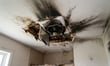
What happened: Ohio Mutual alleges a GE-branded electric dryer short-circuited and caused what the complaint calls a "catastrophic" house fire in Ohio while the unit was still under warranty.
Who's involved: Ohio Mutual Insurance Company (subrogating insurer) and Haier US Appliance Solutions, doing business as GE Appliances (manufacturer).
What's at stake: More than $25,000 in payments Ohio Mutual says it made to its policyholders under a homeowners policy.
Why it matters: The case shows how insurers frame specific defect allegations and pursue manufacturers under state product liability law to recover what they paid out.
Where it stands: Complaint filed August 31, 2026. Now pending in the Southern District of Ohio.
An electrical conductor rubbing against a steel rod inside a clothes dryer. That, according to a new lawsuit, is what allegedly triggered a fire that tore through an Ohio home in September 2024.
Ohio Mutual Insurance Company has sued Haier US Appliance Solutions - the company behind the GE Appliances brand - alleging the appliance maker sold a defective electric dryer that caused the blaze. The complaint was filed in Jackson County, Ohio, on August 31, 2026, and is now pending in the US District Court for the Southern District of Ohio.
The dryer was still under its five-year warranty.
According to the complaint, the policyholders owned a GE Appliances-brand electric dryer, model GTD72EBSNWS, installed at their Jackson, Ohio home. The filing says the dryer was "used for its intended use" and was never altered or modified.
On September 5, 2024, the complaint alleges, a fire broke out inside the dryer. The filing describes the cause: "an electrical conductor and steel rod came into contact and created an electrical short circuit event, resulting in the catastrophic fire."
The fire caused what the complaint calls "extensive damage to real property and personal property contents," and the policyholders lost the use of their home during repairs. Ohio Mutual says it paid more than $25,000 under their homeowners policy to cover the damage - and now wants that money back from the manufacturer.
That is what a subrogation claim is: the insurer steps into the policyholder's shoes and chases the party it says caused the loss.
The complaint attacks the dryer on three fronts under Ohio's Product Liability Act. First, a manufacturing defect - the unit allegedly "deviated in a material way" from other electric dryers when it left the factory. Second, a design defect - the complaint alleges the fire risks built into the dryer's design outweighed the benefits of that design. Third, a failure to warn - the filing says GE Appliances knew or should have known about the fire risk and never provided adequate warnings or safety instructions, including after the product was already on the market.
Ohio Mutual also alleges the dryer came with an express five-year in-home warranty and failed within that window. The complaint says the dryer did not "conform to representations made by the Defendants" and breached implied warranties that it was safe for ordinary use.
One more angle: the complaint argues GE Appliances should be treated not just as the seller but as the manufacturer of the dryer under Ohio law. Among the reasons the filing cites - the company marketed the dryer under its own GE Appliances name, may have created or furnished the design, and allegedly did not respond when asked to identify the actual manufacturer of the dryer or its parts.
Two unnamed defendants are included for any additional manufacturers or suppliers of component parts whose identities have not yet been established.
The complaint seeks more than $25,000, plus costs and interest.
The case is a useful reference point for subrogation teams building product-liability recoveries against major appliance brands - particularly where the insurer can point to a specific mechanical defect and a warranty that had not yet expired.
The allegations in this complaint have not been tested in court, and no judge has ruled on the merits of these claims.