State attorneys general have become more active enforcers of nonprofit governance, and the enforcement record confirms it. AG offices in Texas, Virginia, and New York opened or escalated investigations into nonprofit operations in 2024, according to a January 2025 review by the International Center for Not-for-Profit Law. For nonprofit boards, the regulatory environment has shifted, and personal liability exposure for directors and officers has changed with it.
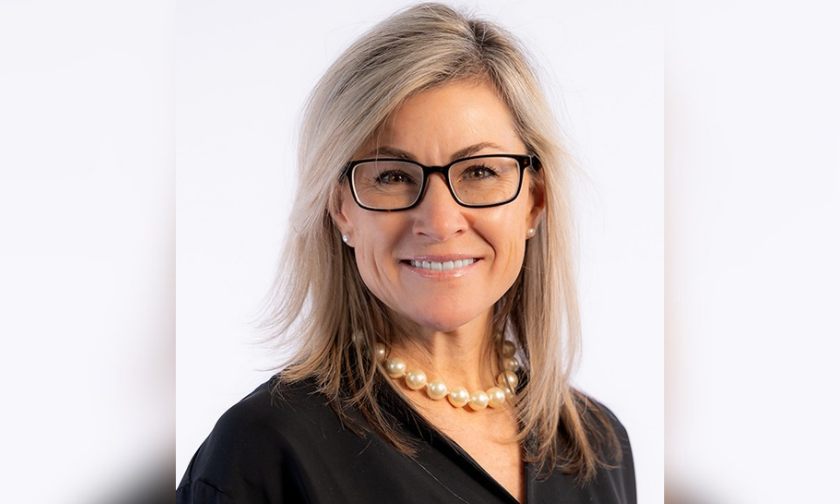
Nicole Murphy (pictured), nonprofit D&O product manager at Travelers, walks through what that scrutiny means for D&O exposure. She identifies the governance failures that attract regulatory attention and what brokers need to know before the next renewal.
State attorneys general are the primary regulators of the nonprofit sector, and their authority runs further than many boards realize. Their mandate ties directly to public trust, rather than just paperwork.
"Attorneys general protect the public interest," said Murphy. "This includes ensuring that private donations, endowments and government grants are in compliance with their intended use and that organizations soliciting public donations register with the state and file annual financial reports."
That mandate carries operational weight. Nonprofits in most states must register before soliciting donations and file annual financial reports. Murphy points to a rise in visible violations as the factor now giving that oversight more force.
"With more violations like misuse of funds, stealing and public deception appearing in the news, public scrutiny gains more traction," she said.
For Murphy, the takeaway is straightforward. Transparency and accountability are baseline governance obligations, rather than contingency measures boards reach for when a complaint lands.
"A nonprofit's directors and officers should exercise transparency and be accountable for operations aligning with organizational bylaws and mission as well as be in compliance with all regulatory requirements," she added.
One in three US nonprofits experienced government funding disruptions in early 2025, according to the Urban Institute. Of those affected, 29% reduced staff and 23% cut programming. Those operational decisions carry direct liability consequences that many boards don't anticipate.
"If an organization's revenue streams become constrained, a board may cut programs that the public relies on," Murphy said. "A nonprofit also might reduce staffing, which could lead to employment-related insurance claims, and cut corners in compliance, oversight and data protection, all of which could also lead to claims."
Murphy's framing connects each cost-cutting response to a specific claims category. Staffing reductions open the door to employment practices liability claims. Compliance and oversight gaps invite allegations of fund misuse. Weak data protection raises cyber and privacy exposure. Each response to financial pressure, she argues, creates a separate line of liability risk.
Weak governance doesn't just create compliance problems. It opens specific claims pathways across multiple lines of coverage. Murphy lays out exactly what that exposure looks like when operational stewardship breaks down.
"Without consistently applied operational stewardship, the organization opens itself up to public and governmental scrutiny, potentially leading to claims alleging mishandling or misuse of funds; employment claims if human resource controls are not clear and consistently carried out; and creditor and donor claims if their financials deteriorate," she said.
"Considering the court of public opinion, the organization can't risk any negative attention that could shrink income and damage trust, leaving it unable to function."
A fund misuse allegation or an employment claim is damaging on its own. But reputational damage operates on a different timeline. It can shrink donor income and erode public trust before a case reaches a courtroom. For many nonprofits, Murphy argues, that is the more immediate threat to organizational survival.
"Boards should have clearly defined roles and comply with financial and regulatory requirements," Murphy said. Both pressures make that baseline harder to ignore. Federal funding cuts and AG scrutiny are pressing on the nonprofit sector simultaneously.
Lack of separation in financial duties, weak cyber hygiene, and unclear HR practices are among the gaps she sees most often. Missing audit functions and no contingency planning round out the list. Proactive boards treat identifying and fixing those gaps as an ongoing function, rather than a one-time exercise.
Murphy identifies structured and practiced risk assessment reviews as the foundation of a defensible governance posture. Those reviews should span financial oversight, operational management, mission adherence, transparency, and employee and volunteer protocols. Nonprofit D&O coverage sits within that framework as a safeguard.
"Strong boards proactively identify and remedy exposures that could hurt the organization, such as lack of separation in financial duties, weak cyber hygiene, human resource practices that are unclear and inconsistently upheld, lack of audit and no contingency plan for the future," she said.