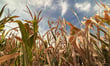
Wet, cool weather has left harvest in all three Prairie provinces well behind normal, with grain still in the field now being downgraded for sprouting and weathering.
That puts the quality provisions of provincial crop insurance at the center of this year's claims.
Saskatchewan's harvest was 41% complete as of September 21, against a five-year average of 82%, according to the province's latest crop report. The report said cereal and pulse crops still standing were showing poor quality and sprouting.
In Manitoba, 43% of the crop had been harvested as of September 21, according to the provincial crop report. Spring cereal quality was good in early-harvested fields, but more recently harvested crops showed sprouting and weathering. Some crops in western Manitoba have been graded as feed.
Alberta's harvest was 23% complete as of September 15, compared with a five-year average of 58%, according to the Alberta Crop Report. The report flagged concerns about sprouting, disease and canola dockage, and several regions reported frost. A drier week followed and allowed farmers to make more progress.
Much of the crop is unharvested at a time when Alberta's yields had been tracking well above average. Earlier this month, the province expected major crops to yield 19% above their five-year average.
Lyndsey Smith of RealAg Radio said one producer started combining wheat at the end of August and was then kept out of the field for three weeks by rain.
"That wheat crop stood mature, ready to be harvested for weeks in the rain," Smith said in a broadcast interview this week. She said wheat and other cereals had been hit hardest, with falling number results a particular concern. The falling number test measures sprouting damage and affects how the grain can be milled.
All three provincial crop insurers cover quality losses caused by insured perils, but the rules and deadlines differ.
In Saskatchewan, each policy carries a production guarantee and a designated grade. When weather damage lowers the grade, the Saskatchewan Crop Insurance Corporation (SCIC) pays based on the difference between the value of the harvested crop and its value at the designated grade. Producers must declare harvested production and register post-harvest claims by November 15.
Alberta's Agriculture Financial Services Corporation (AFSC) adjusts production for quality loss on most insured crops. Under its 2026 benefits terms, it also offers an Unharvested Acreage Benefit when more than 20% of a producer's insured acres of a crop go unharvested.
In Manitoba, producers must file a Harvested Production Report with the Manitoba Agricultural Services Corporation (MASC) by November 30 to register a claim without penalty. The report must be filed before MASC will adjust a claim.
All three corporations require damaged crops to be inspected before they are destroyed, grazed or put to another use.
The last comparable season was 2019. That year, more than one million insured acres in Alberta were still unharvested at the start of winter, and AFSC extended coverage to June 2020 so the crops could be combined in the spring.
Several costs of a late harvest fall outside production insurance. Smith pointed to heavy grain dryer use and the difficulty of blending downgraded grain when so much of the crop has quality problems.
"Farmers are going to have to be pretty sharp with the pencil on their marketing," she said.
She also said running equipment on saturated fields risks soil compaction that could reduce next year's yields. Price discounts on lower-grade grain and higher drying costs are not covered by AgriInsurance. They may be reflected in margin-based programs such as AgriStability.
Provincial programs dominate crop coverage on the Prairies. IB reported in February that more than 85% of Saskatchewan's seeded acres were insured through SCIC in 2025. Private hail policies, which focus on single-storm losses, do not respond to damage from wind, heavy rain or prolonged wet weather.
For farm brokers, the late harvest raises exposures in areas they do place. These include extended grain dryer use, grain stored at higher moisture, and equipment working in poor field conditions, all of which bear on farm property and equipment policies. Clients with crop claims also need to meet provincial reporting deadlines and inspection requirements to keep those claims valid.