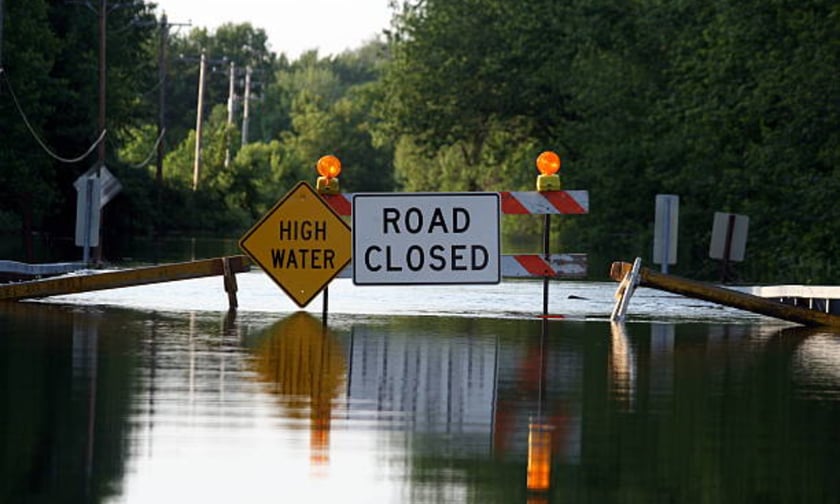
A state of local emergency remains in effect across Inverness, Richmond and Victoria counties in Cape Breton, Nova Scotia, after a slow-moving weather system dropped more than 200 millimetres of rain over the Labour Day weekend, washing out roads, culverts and bridges and cutting power to as many as 40,000 Nova Scotia Power customers at the peak of the storm.
RCMP confirmed a 46-year-old woman was found dead in a flooded area of Richmond County after being reported missing. Port Hawkesbury's CAO, Terry Doyle, described the damage as unlike anything officials in the region have seen before.
Insurance Bureau of Canada has activated its Virtual Community Assistance Mobile Pavilion (V-CAMP) helpline, offering real-time support for affected residents beginning the claims process.
"The safety of residents remains the foremost concern as communities deal with the impacts of this flooding event," said Amanda Dean, IBC's vice-president for Ontario and Atlantic, encouraging anyone with property, vehicle or business damage to contact their insurer promptly.
This is the second major Canadian catastrophe event inside a week, following the September 2 storm that battered the Greater Toronto Area with what officials called a "100-year" rainfall event.
Together with CatIQ's count of at least eleven severe convective storm catastrophes declared since June, this Cape Breton flood reinforces a pattern brokers should treat as sustained rather than incidental this year: significant, geographically dispersed weather events accumulating across the country in quick succession rather than concentrated in one region or peril type.
IBC's consumer guidance covers standard flood coverage distinctions accurately. Sewer backup and overland flood coverage both require optional endorsements, coastal and storm surge damage generally isn't covered under standard home or business policies, and vehicle flood damage typically requires comprehensive or all-perils coverage.
For brokers with clients in the affected counties, the specific nature of this event, washed-out roads, culverts and bridges rather than primarily building-level flooding, points toward a claims profile weighted more heavily toward access and infrastructure-related business interruption than a typical residential flood event.
Reporting from the region has already surfaced concrete examples worth noting. A wedding venue, the Bras d'Or Lakes Inn in St. Peter's, had to proceed with a scheduled wedding despite staff being unable to reach the property due to washed-out roads. A vacation rental operator in Richmond County had guests on-site when a culvert failed nearby overnight.
For tourism-dependent commercial clients in the region, particularly hospitality and event venues, this kind of access disruption, rather than direct structural damage, may be the more immediate and quantifiable loss, and brokers should confirm with affected clients whether business interruption coverage responds to loss of access caused by damaged public infrastructure versus requiring direct physical damage to the insured premises itself, since that distinction varies by policy wording.
IBC used this release to renew its call for governments to invest in flood-protection infrastructure, shift from disaster recovery toward prevention, and give Canadians better access to flood-risk information, citing CatIQ data showing flood and water-related insured losses have grown more than 300% over the past two decades compared with the twenty years prior.
Rural, infrastructure-dependent communities like those in Cape Breton, where a single washed-out culvert can cut off an entire road for days, are a clear illustration of why IBC's policy argument centres on protecting infrastructure rather than only individual properties.
For brokers serving clients across Atlantic Canada, particularly in similarly rural, single-access-road communities, this event is a reasonable prompt to review both business interruption wording and clients' broader awareness of overland flood coverage availability, since Cape Breton has weathered severe storms before but officials say this specific event exceeded anything in recent memory.