What happened: Ontario court refused to reopen a property insurance claim dismissed after years of non-compliance
Who’s involved: Aviva General Insurance Company and a self-represented homeowner
What’s at stake: The homeowner’s water damage claim, extinguished for failing to follow court orders
Why it matters: Shows how sustained procedural non-compliance can kill a live insurance dispute
Where it stands: Motion to reopen dismissed November 20, 2026; costs submissions outstanding
A homeowner filed motion after motion for five years but never completed a single step needed to move her insurance claim forward.
That pattern caught up with her on November 20, 2026, when an Ontario Superior Court judge refused to reopen a property insurance lawsuit against Aviva General Insurance Company.
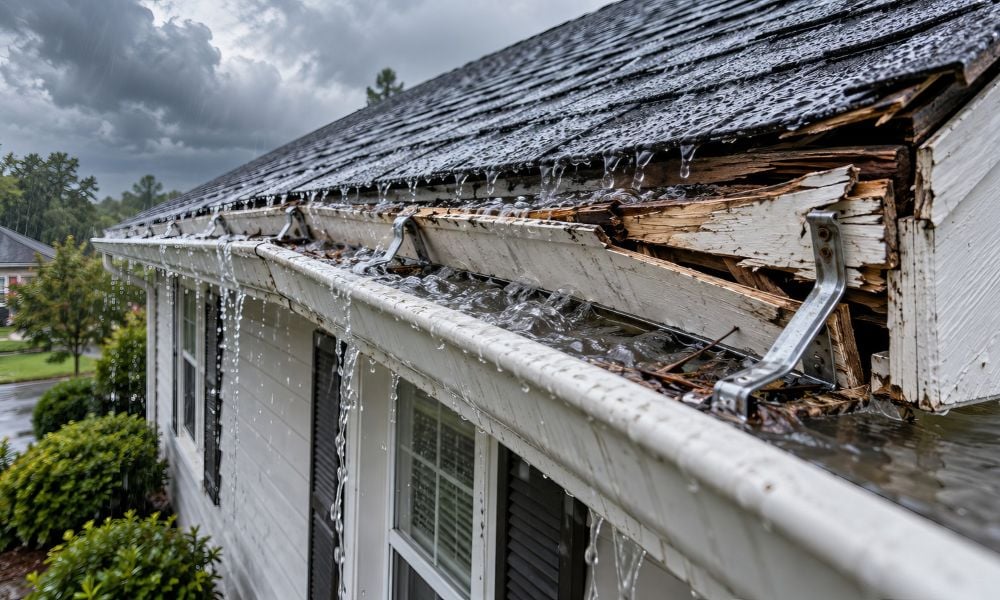
The case goes back to a June 2019 windstorm that damaged the homeowner’s property. She sued Aviva in May 2021. By April 2024, a judge had ordered her to appoint an appraiser within seven days. The parties also agreed to a timetable: hand over key documents by August 2024, complete pretrial questioning by September, and be trial-ready by May 2025.
None of it happened.
Aviva’s lawyer reached out repeatedly to schedule pretrial questioning - July 2024, September 2024, February 2025, April 2025. Each time, silence. The homeowner never handed over her required documents, never appointed the appraiser, and never responded when asked point-blank whether she still wanted to pursue the case.
What she did do was file motions. Requests for case management, timetable changes, adjournments, procedural directions - one after another, most declined by judges or bounced back for paperwork errors. A senior judge told her the existing schedule was “a complete answer.”
When both sides’ motions came up for hearing on August 11, 2026, the homeowner was not there. She later said she had been expecting a video link - but the court called that explanation “implausible and simply not credible.” Aviva’s lawyer had told her in writing the hearing was in person. The judge found she “chose to not go to court to avoid dealing with them.”
The action was dismissed on the spot.
The homeowner asked the court to reopen the case, arguing she had missed the hearing through accident or mistake. Justice Doi found neither applied.
The court said it could not find she had “a strong or viable claim,” citing what it called “lack of diligence if not neglect or indifference” in pursuing the action.
Adding another layer: a separate case had already resulted in a court order requiring her to get a judge’s permission before starting any new legal proceedings in Ontario - an order that also blocked her appeal attempt, since the Court of Appeal would not accept her filing without that permission.
For claims and litigation teams, the decision is a sharp reminder that a plaintiff who ignores the basics - no matter how many motions they file - risks losing the case entirely.
The ruling was handed down on November 20, 2026 by the Ontario Superior Court of Justice. No appeal is currently before the courts.