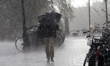
The wind storm that cut power to approximately 8,590 Newfoundland Power customers on Saturday proceeded largely as forecast, with the same low-pressure system generating roughly 11,000 additional outages in New Brunswick over the same weekend, concentrated in Greater Moncton, Fredericton and the Kennebecasis Valley.
No updated Newfoundland Power restoration figures, insurer statement, or CatIQ loss estimate has been published since the initial outage report. Wind warnings extended into Saturday evening for the Avalon and Burin peninsulas, with gusts forecast up to 120 km/h along the northeast coast, making it St. John's windiest day since May 13.
The same broader weather system also brought additional rainfall to Cape Breton and raised flood risk across parts of the Maritimes, according to separate CBC reporting, a reminder that this event wasn't isolated to Newfoundland. That regional spread lines up with Environment Canada meteorologist Ian Hubbard's framing of the system as an early, unusually intense "fall system" arriving just before autumn's calendar start, and his comment that Atlantic Canada is "just starting to move into that season where the storms start to get a little bit more intense."
Based on what's confirmed so far, downed branches, potential roof and fence damage, and power outages rather than reported flooding, structural collapse or fatalities, this event still appears to fall well short of catastrophe-threshold losses.
For comparison, Hurricane Larry's 2021 remnants caused more than 60,000 power outages and building damage in Newfoundland, a considerably larger benchmark than this weekend's roughly 8,600 outages.
No insurer, IBC, or CatIQ figure exists to confirm or revise that assessment, and none should be expected this early; loss estimates for events at this scale typically aren't issued at all unless damage proves more extensive than initial outage figures suggest.
Standard home and business insurance policies generally cover wind damage, including damage from falling branches or trees and water intrusion through storm-created openings, though pre-existing roof wear or deferred maintenance typically isn't covered regardless of what triggered a failure.
Comprehensive or all-perils auto coverage, not standard collision-only policies, responds to wind-related vehicle damage. Extended power outages also raise a coverage question worth confirming directly with clients rather than assuming: whether a policy covers spoiled food or other losses tied to outage duration, since this varies by insurer and isn't a standard inclusion.
With Cape Breton's flooding from earlier this month, this weekend's New Brunswick and Newfoundland outages, and Hubbard's own framing of an intensifying fall storm season all landing within weeks of each other, brokers across Atlantic Canada should treat this as a genuinely active, compounding weather season rather than a series of unrelated incidents.
For clients in the specifically affected areas, Clarenville, the Bonavista Peninsula, and communities along Newfoundland's northeast coast, the practical guidance remains standard: document any damage before cleanup, and confirm outage-related coverage details now rather than waiting for a claim to test them.